Wood Panel Price Guide 2024: Cost-Effective Building Materials & Pricing Trends

All Categories

Get a Free Quote

Our representative will contact you soon.
Email
WhatsApp
Name
Company Name
Message
0/1000

wood panel price

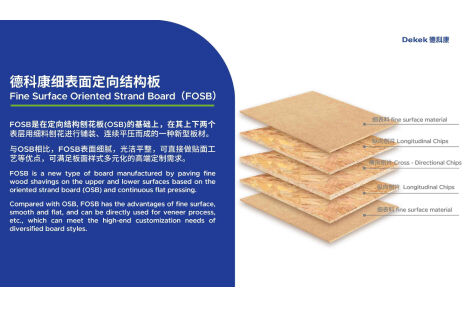
Wood panel price represents a critical factor for construction professionals, interior designers, and homeowners seeking quality building materials at competitive rates. Understanding wood panel pricing involves examining various types including plywood, particleboard, medium-density fiberboard (MDF), and oriented strand board (OSB), each offering distinct characteristics and cost structures. The wood panel price fluctuates based on numerous factors including raw material availability, manufacturing processes, thickness specifications, surface treatments, and market demand patterns. Modern wood panels serve essential functions in residential and commercial construction projects, providing structural support, aesthetic enhancement, and versatile installation options. These engineered wood products deliver exceptional strength-to-weight ratios while maintaining cost-effectiveness compared to solid lumber alternatives. Technological features of contemporary wood panels include advanced bonding agents that enhance durability, moisture-resistant treatments that extend lifespan, and precision manufacturing that ensures consistent dimensions and quality. The wood panel price varies significantly depending on grade classifications, with higher grades commanding premium prices due to superior surface quality and structural integrity. Applications span across multiple industries including furniture manufacturing, cabinetry construction, flooring systems, wall paneling, roofing substrates, and decorative installations. The manufacturing process incorporates sophisticated machinery that creates uniform thickness, smooth surfaces, and reliable bonding between layers, directly impacting the final wood panel price structure. Environmental considerations also influence pricing, as sustainably sourced materials and eco-friendly manufacturing processes may increase costs but provide long-term value through improved performance and reduced environmental impact. Market trends show increasing demand for engineered wood panels due to their versatility, consistent quality, and competitive wood panel price points compared to traditional solid wood alternatives.

New Products

The wood panel price offers compelling advantages that make these materials exceptionally attractive for both professional contractors and DIY enthusiasts. Cost-effectiveness stands as the primary benefit, as wood panels typically cost significantly less than solid lumber while delivering comparable or superior performance characteristics. This affordability allows builders to complete projects within budget constraints without compromising structural integrity or aesthetic appeal. The consistent wood panel price structure enables accurate project estimation and budget planning, eliminating the unpredictable cost fluctuations often associated with solid wood materials. Stability represents another major advantage, as engineered wood panels resist warping, splitting, and dimensional changes that commonly affect natural lumber. This stability translates to reduced maintenance costs and longer-lasting installations, providing excellent return on investment despite the initial wood panel price. Uniform quality ensures predictable performance across all panels in a shipment, eliminating the sorting and waste typically required with natural wood products. The manufacturing process creates panels with consistent thickness, density, and surface characteristics, reducing installation time and improving finished project appearance. Availability advantages include year-round supply regardless of seasonal logging restrictions, ensuring project schedules remain uninterrupted by material shortages. The wood panel price remains relatively stable compared to solid lumber markets, which experience significant volatility due to weather conditions, transportation costs, and logging regulations. Versatility in applications allows contractors to use wood panels across multiple project phases, from structural components to finish work, maximizing material efficiency and reducing inventory requirements. Environmental benefits include efficient utilization of wood resources through engineered manufacturing processes that use smaller trees and wood waste products effectively. The wood panel price reflects these sustainability advantages while delivering performance that often exceeds solid wood alternatives. Installation efficiency reduces labor costs significantly, as standardized dimensions and predictable properties streamline cutting, fitting, and fastening operations. Surface preparation requirements are minimal compared to rough lumber, reducing finishing time and material costs.

Tips And Tricks

What are the Differences Between Dekek FOSB, MDF, PB, and Plywood?

31

Oct

What are the Differences Between Dekek FOSB, MDF, PB, and Plywood?

View More
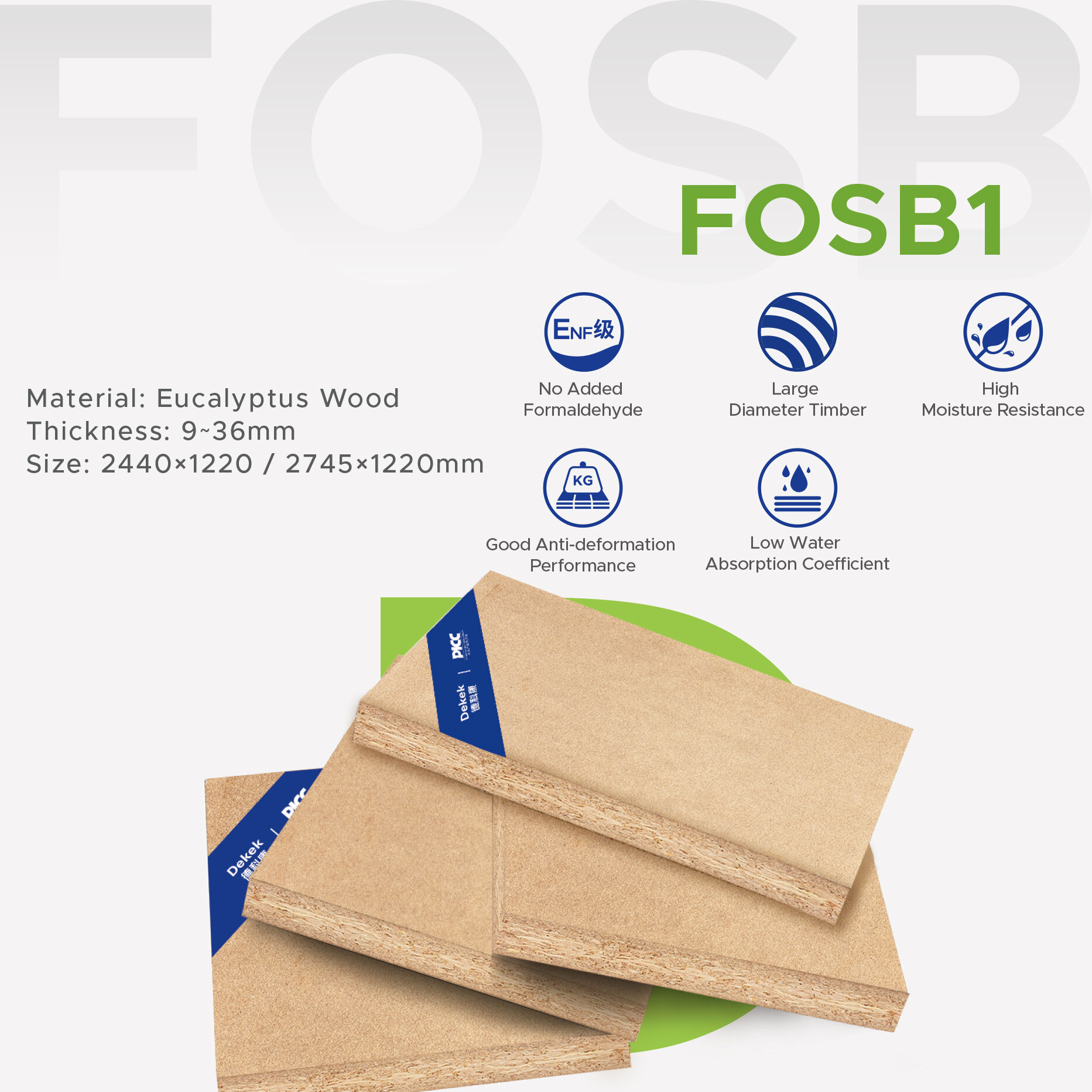
Dekek Zero-Formaldehyde-Added FOSB(Fine-Surface OSB) – Dekek Boards Guard Your Safe & Secure Home

20

Oct

Dekek Zero-Formaldehyde-Added FOSB(Fine-Surface OSB) – Dekek Boards Guard Your Safe & Secure Home

View More
How Do Decorative Boards Compare to Traditional Wood Panels?

24

Oct

How Do Decorative Boards Compare to Traditional Wood Panels?

View More
What Innovative Wall Panel Styles Are Trending in 2025?

24

Nov

What Innovative Wall Panel Styles Are Trending in 2025?

View More

Get a Free Quote

Our representative will contact you soon.
Email
WhatsApp
Name
Company Name
Message
0/1000

wood panel price

Exceptional Cost Performance Ratio

Exceptional Cost Performance Ratio

The wood panel price delivers unmatched value through superior cost performance ratios that consistently outperform traditional solid wood alternatives across diverse applications. This advantage stems from advanced manufacturing processes that maximize raw material utilization while maintaining stringent quality standards. The engineered production methods allow manufacturers to create high-performance panels using smaller diameter trees, wood chips, and sawmill waste products that would otherwise be discarded. This efficient resource utilization directly impacts the wood panel price, keeping costs competitive while delivering enhanced structural properties. The multi-layer construction typical in plywood and oriented strand board creates strength characteristics that often exceed solid lumber of comparable thickness, providing more structural value per dollar spent. Additionally, the consistent manufacturing environment eliminates natural defects like knots, splits, and grain irregularities that can compromise solid wood performance and require costly sorting and waste disposal. The wood panel price structure reflects these manufacturing efficiencies, passing savings directly to consumers while maintaining profit margins for retailers and distributors. Quality control measures during production ensure every panel meets specified performance standards, eliminating the variability and potential waste associated with natural lumber grades. This consistency means builders can accurately calculate material requirements without accounting for rejection rates or quality variations. The standardized dimensions available in wood panels reduce cutting waste and optimize material usage, further enhancing the overall cost-effectiveness reflected in the wood panel price. Long-term economic benefits include reduced maintenance requirements due to enhanced stability and resistance to environmental factors. The engineering process creates panels that resist moisture movement, thermal expansion, and structural degradation that commonly affect solid wood installations. These performance advantages translate to lower lifecycle costs despite potentially higher initial wood panel price compared to lower-grade lumber alternatives.
Superior Manufacturing Precision and Consistency

Superior Manufacturing Precision and Consistency

The wood panel price reflects advanced manufacturing technologies that deliver unprecedented precision and consistency impossible to achieve with traditional lumber processing methods. Modern production facilities utilize computer-controlled machinery that maintains exact thickness tolerances, typically within hundredths of an inch across entire panel dimensions. This precision manufacturing directly impacts the wood panel price by reducing installation time, minimizing waste, and ensuring predictable performance characteristics. The controlled environment production process eliminates variables like moisture content fluctuations, grain orientation inconsistencies, and natural defect patterns that create challenges in solid lumber applications. Each panel undergoes rigorous quality testing throughout the manufacturing process, including moisture content verification, bond strength assessment, and dimensional accuracy confirmation before reaching market. The wood panel price incorporates these quality assurance measures, providing customers with confidence in material performance and reducing project risks associated with defective or substandard materials. Automated production systems create uniform density distributions across panel surfaces, ensuring consistent fastener holding power, finishing characteristics, and structural properties throughout each sheet. This uniformity eliminates the need for material sorting and grading that adds cost and complexity to solid lumber projects. The manufacturing process also allows for precise control of surface characteristics, creating smooth, ready-to-finish surfaces that reduce preparation time and finishing material requirements. Edge quality remains consistent across all panels, facilitating clean cuts and professional-appearing joints in finished applications. The wood panel price reflects these manufacturing advantages while remaining competitive with less sophisticated alternatives. Batch consistency ensures that panels from the same production run exhibit identical characteristics, eliminating color variations, texture differences, and performance discrepancies that can compromise project appearance and functionality. This consistency extends to chemical treatments, adhesive applications, and curing processes that enhance durability and performance properties. The resulting products justify the wood panel price through reduced labor requirements, minimized waste generation, and enhanced finished project quality.
Comprehensive Application Versatility and Adaptability

Comprehensive Application Versatility and Adaptability

The wood panel price encompasses remarkable versatility that enables these materials to excel across an extensive range of construction and manufacturing applications, from structural framing to decorative finishing work. This adaptability stems from diverse panel types designed for specific performance requirements while maintaining cost-effectiveness reflected in competitive wood panel price structures. Plywood variants offer different grade classifications suitable for everything from concrete forming to high-end cabinetry, with pricing tiers that accommodate various budget constraints and performance specifications. The wood panel price flexibility allows contractors to select appropriate materials for each application without over-specifying expensive options for basic structural uses or compromising quality for visible finish work. Medium-density fiberboard provides exceptional machinability for detailed millwork and furniture production, while oriented strand board delivers structural performance at economy pricing levels. This product diversity ensures optimal material selection based on specific project requirements rather than settling for compromise solutions. The wood panel price structure rewards this targeted selection approach by offering cost advantages over universal solid lumber alternatives that may exceed requirements for many applications. Installation versatility includes compatibility with standard woodworking tools and fasteners, eliminating the need for specialized equipment or techniques that increase project costs. The consistent density and grain structure of engineered panels accept various fastener types reliably, from traditional nails and screws to advanced mechanical fasteners and adhesive systems. Surface preparation requirements vary by panel type and intended finish, but generally require less effort than solid lumber due to uniform surface characteristics and absence of natural defects. The wood panel price reflects this installation efficiency through reduced labor costs and faster project completion times. Modification capabilities include easy cutting, routing, and shaping using conventional woodworking methods, allowing custom fitting and detail work without specialized tooling. Weather resistance properties vary by panel type and treatment options, with marine-grade and exterior variants commanding higher wood panel price levels while delivering enhanced durability for demanding applications.

Get a Free Quote

Our representative will contact you soon.
Email
WhatsApp
Name
Company Name
Message
0/1000