High Performance Wood Panels: Superior Engineered Building Materials for Construction

All Categories

Get a Free Quote

Our representative will contact you soon.
Email
WhatsApp
Name
Company Name
Message
0/1000

high performance wood panels

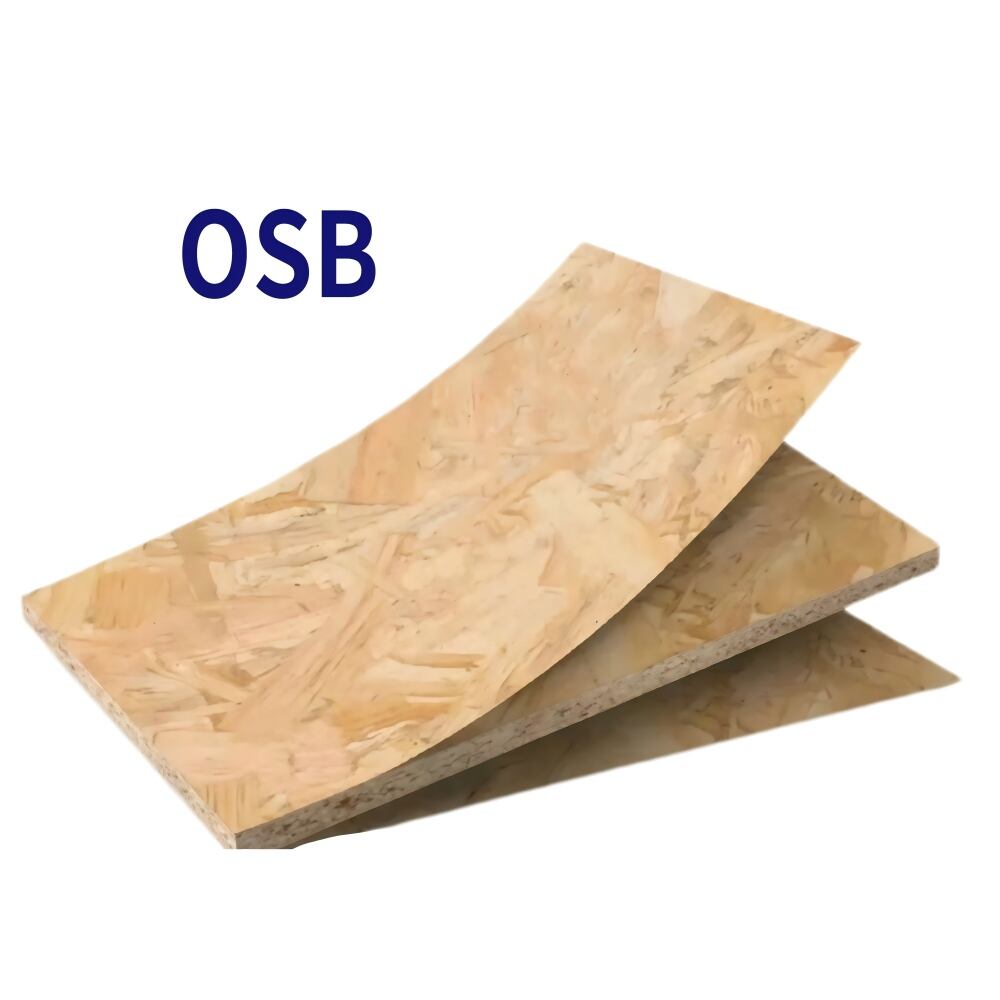
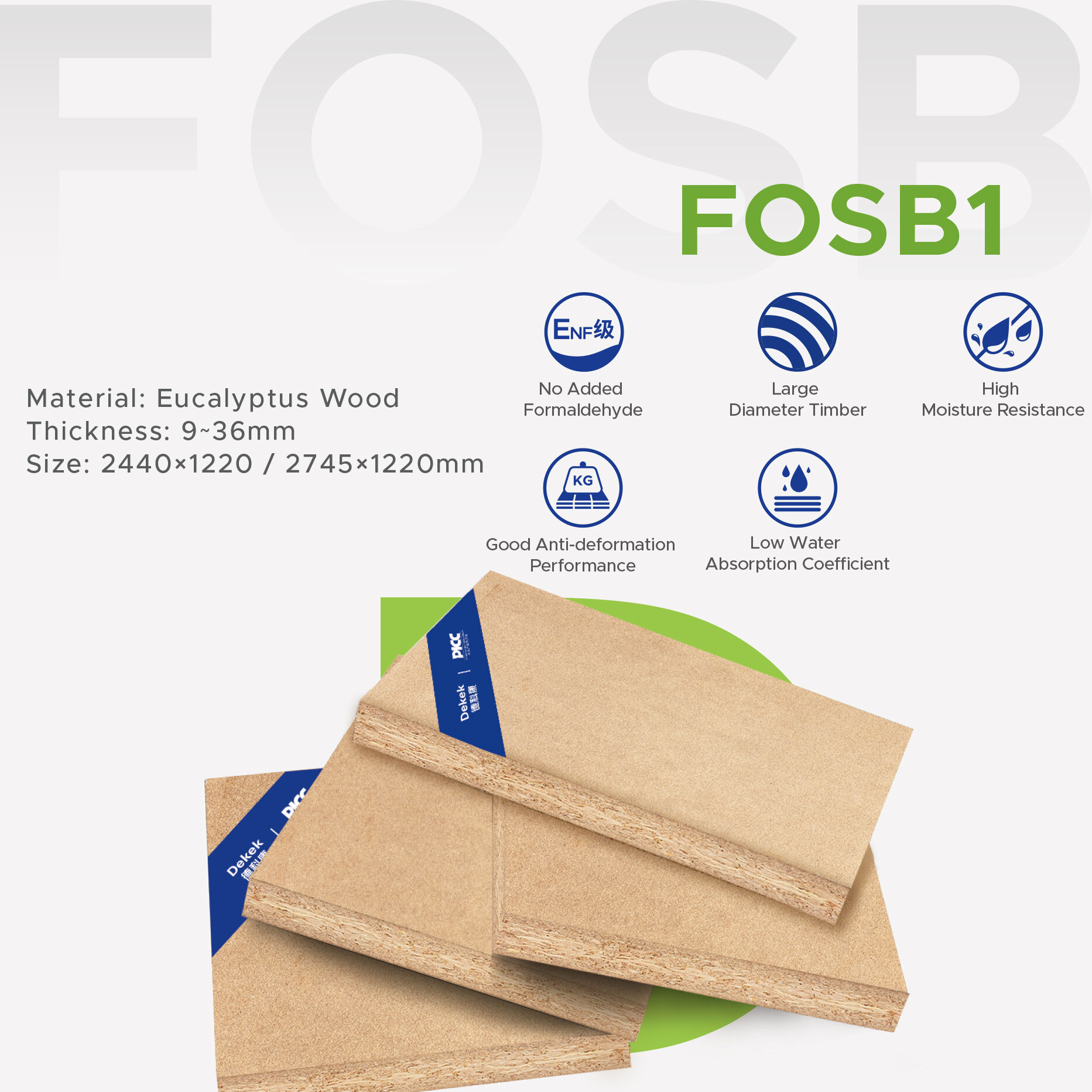
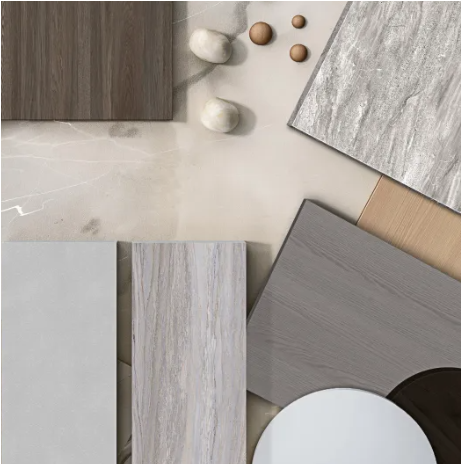
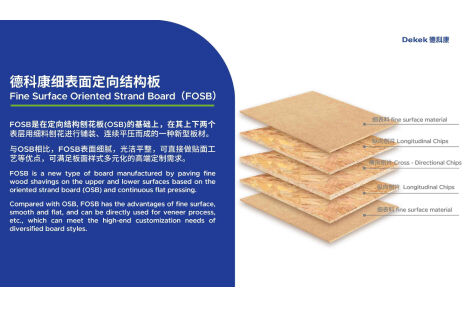
High performance wood panels represent a revolutionary advancement in engineered lumber technology, combining traditional wood aesthetics with enhanced structural capabilities and durability. These innovative building materials are manufactured through sophisticated processes that optimize wood fiber orientation, adhesive formulations, and density distribution to create panels that exceed the performance characteristics of conventional wood products. The core technology behind high performance wood panels involves strategic layering of wood strands, fibers, or veneers with advanced resin systems that cure under controlled temperature and pressure conditions. This manufacturing approach results in panels with superior dimensional stability, moisture resistance, and load-bearing capacity compared to traditional plywood or particleboard. Modern high performance wood panels incorporate various wood species, including fast-growing sustainable options like bamboo and engineered wood composites, making them environmentally responsible choices for construction projects. The panels feature consistent density throughout their structure, eliminating weak spots and natural defects commonly found in solid wood. Advanced surface treatments and protective coatings further enhance their resistance to wear, UV degradation, and chemical exposure. These panels find extensive applications in residential and commercial construction, including flooring systems, wall panels, roofing decking, furniture manufacturing, and architectural millwork. Their versatility extends to specialized applications such as acoustic panels, fire-resistant assemblies, and marine-grade installations where traditional wood products would fail. High performance wood panels also serve as excellent substrates for various finish materials, accepting paints, stains, laminates, and veneers with superior adhesion and longevity. The manufacturing precision ensures consistent thickness, flatness, and edge quality, reducing installation time and improving final project outcomes.
Popular Products

High performance wood panels deliver exceptional value through their superior strength-to-weight ratio, making them ideal for applications where structural integrity cannot be compromised. These panels resist warping, twisting, and dimensional changes that commonly plague traditional wood products, ensuring long-term stability in varying environmental conditions. Their moisture resistance significantly outperforms conventional wood panels, preventing swelling, delamination, and fungal growth that can compromise structural integrity and indoor air quality. Installation becomes faster and more efficient because high performance wood panels maintain consistent dimensions and flatness, reducing the need for adjustments and corrections during construction. The uniform density distribution eliminates soft spots and weak areas, providing reliable fastener holding power throughout the entire panel surface. This consistency translates to fewer callbacks and warranty issues for contractors and builders. Cost savings emerge over the project lifecycle through reduced maintenance requirements, longer service life, and improved energy efficiency when used in building envelope applications. High performance wood panels accept a wide variety of finish materials, allowing designers and architects greater creative freedom while maintaining structural performance. Their dimensional stability means installed panels remain flat and smooth, preventing finish failures and aesthetic issues. The manufacturing process creates panels with predictable mechanical properties, simplifying engineering calculations and reducing material safety factors. Environmental benefits include efficient use of wood fiber resources, incorporation of recycled materials, and reduced carbon footprint compared to alternative building materials like steel or concrete. Quality control during manufacturing ensures consistent performance characteristics across production runs, eliminating the variability associated with natural wood products. Fire resistance can be enhanced through specialized treatments and additives, meeting stringent building code requirements without sacrificing other performance attributes. The panels resist insect damage and decay better than solid wood, particularly important in humid climates or ground-contact applications. Transportation and handling advantages include lighter weight and more compact packaging compared to equivalent solid wood materials.

Tips And Tricks

What are the Differences Between Dekek FOSB, MDF, PB, and Plywood?

31

Oct

What are the Differences Between Dekek FOSB, MDF, PB, and Plywood?

View More
How to Install Wall Panels for Stylish and Practical Results

21

Oct

How to Install Wall Panels for Stylish and Practical Results

View More
What Exactly Are The Difference of OSB, LSB, and FOSB?

07

Nov

What Exactly Are The Difference of OSB, LSB, and FOSB?

View More
Exploring Innovative Applications of OSB in Interior Design

24

Nov

Exploring Innovative Applications of OSB in Interior Design

View More

Get a Free Quote

Our representative will contact you soon.
Email
WhatsApp
Name
Company Name
Message
0/1000

high performance wood panels

Superior Structural Performance and Engineering Reliability

Superior Structural Performance and Engineering Reliability

High performance wood panels excel in structural applications due to their engineered composition that eliminates the natural variability and weaknesses inherent in solid wood products. The manufacturing process strategically aligns wood fibers and strands to optimize load distribution and resist failure under stress. Unlike traditional lumber that may contain knots, splits, or grain irregularities that create weak points, these engineered panels maintain consistent strength properties throughout their entire structure. This reliability allows engineers to design with confidence, knowing that each panel will perform according to specified parameters without the safety margins typically required for natural wood products. The cross-laminated construction or oriented strand arrangement creates exceptional resistance to bending, compression, and shear forces, making high performance wood panels suitable for demanding applications such as floor joists, roof decking, and load-bearing wall assemblies. Their ability to maintain structural integrity under dynamic loads makes them particularly valuable in seismic zones and high-wind areas where buildings must withstand extreme forces. The panels distribute loads more evenly than solid wood, reducing stress concentrations that can lead to premature failure. Quality assurance testing during manufacturing verifies that each batch meets or exceeds specified strength values, providing documentation required for engineered construction projects. The consistent performance characteristics simplify span calculations and allow for optimized structural designs that can reduce overall material usage while maintaining safety factors. Long-term performance studies demonstrate that properly installed high performance wood panels retain their structural properties over decades of service, making them reliable choices for permanent construction applications.
Enhanced Moisture Resistance and Dimensional Stability

Enhanced Moisture Resistance and Dimensional Stability

The moisture resistance capabilities of high performance wood panels far exceed those of traditional wood products, addressing one of the primary causes of wood product failure in construction applications. Advanced resin systems and fiber treatments create barriers that prevent moisture absorption while allowing the material to maintain breathability for optimal performance in various climates. This moisture resistance prevents the swelling and shrinkage cycles that cause warping, cupping, and delamination in conventional wood panels, ensuring that installed panels remain flat and dimensionally stable throughout their service life. The dimensional stability is particularly crucial in finish applications where surface irregularities can telegraph through thin coverings like vinyl flooring or paint systems. High performance wood panels maintain their specified thickness and flatness even when exposed to humidity variations, temperature changes, and minor water exposure that would cause significant movement in solid wood products. This stability eliminates the need for expansion joints in many applications and reduces the risk of finish failures caused by substrate movement. The moisture resistance also extends to protection against fungal growth and decay, as the engineered structure and treatment systems create an environment inhospitable to wood-destroying organisms. In bathroom, kitchen, and basement applications where moisture exposure is inevitable, these panels provide reliable performance without the deterioration associated with standard wood products. The reduced moisture absorption also means faster drying times when panels do get wet, minimizing the risk of mold growth and associated indoor air quality issues. Exterior applications benefit from this moisture resistance, as the panels can withstand rain exposure during construction without suffering permanent damage or dimensional changes that would affect subsequent installation of siding or roofing materials.
Versatile Applications and Design Flexibility

Versatile Applications and Design Flexibility

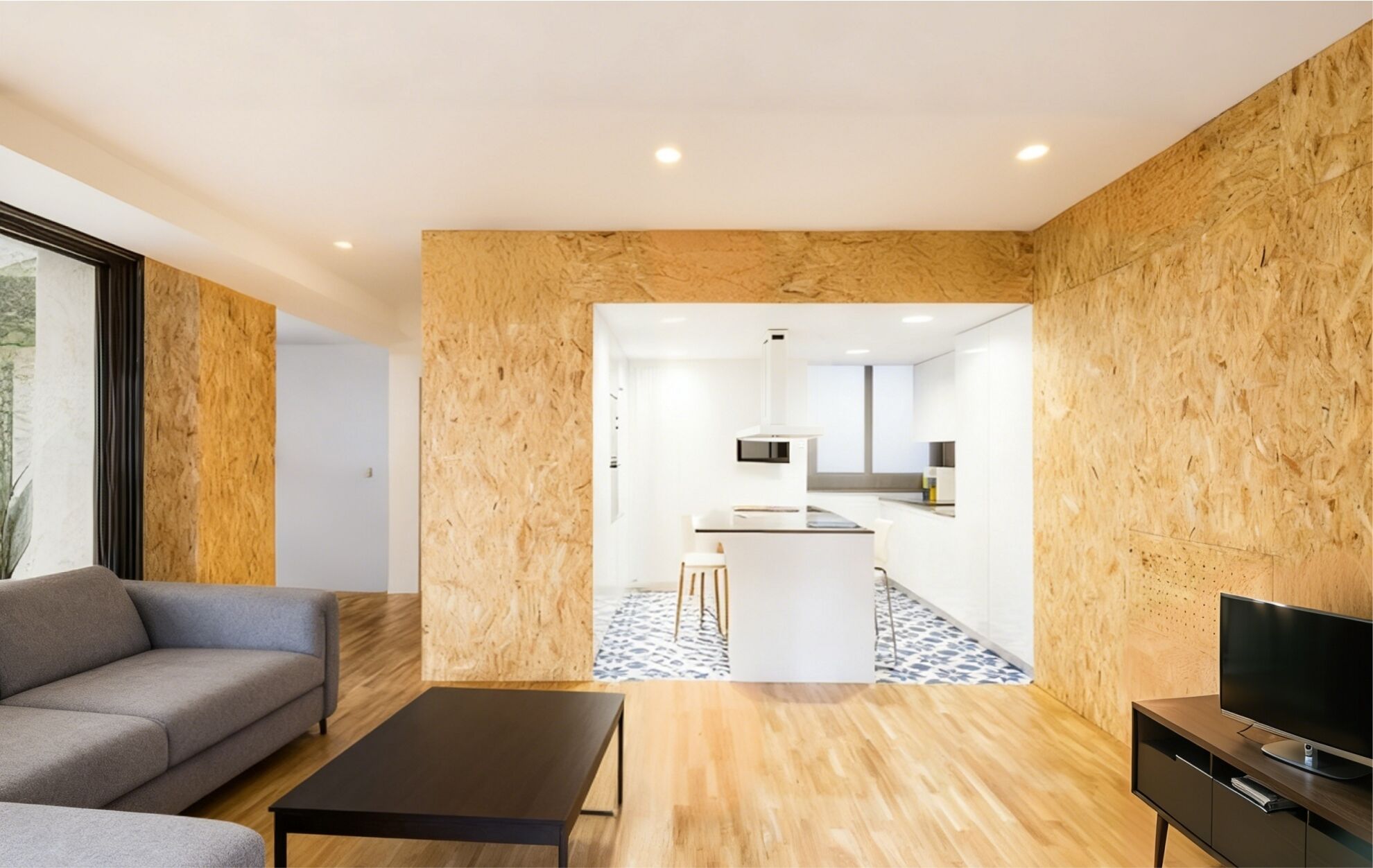
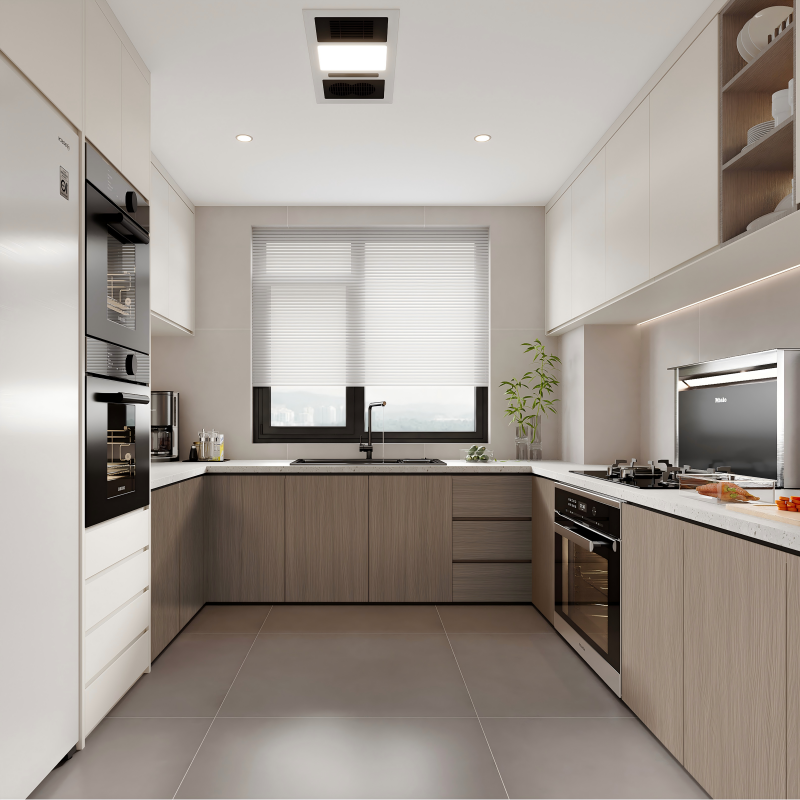
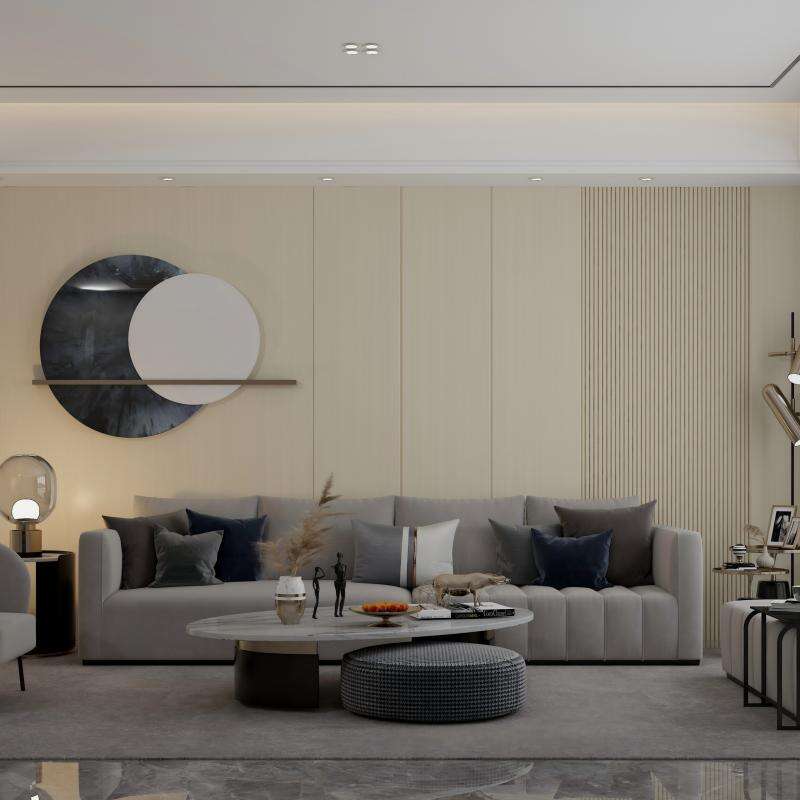
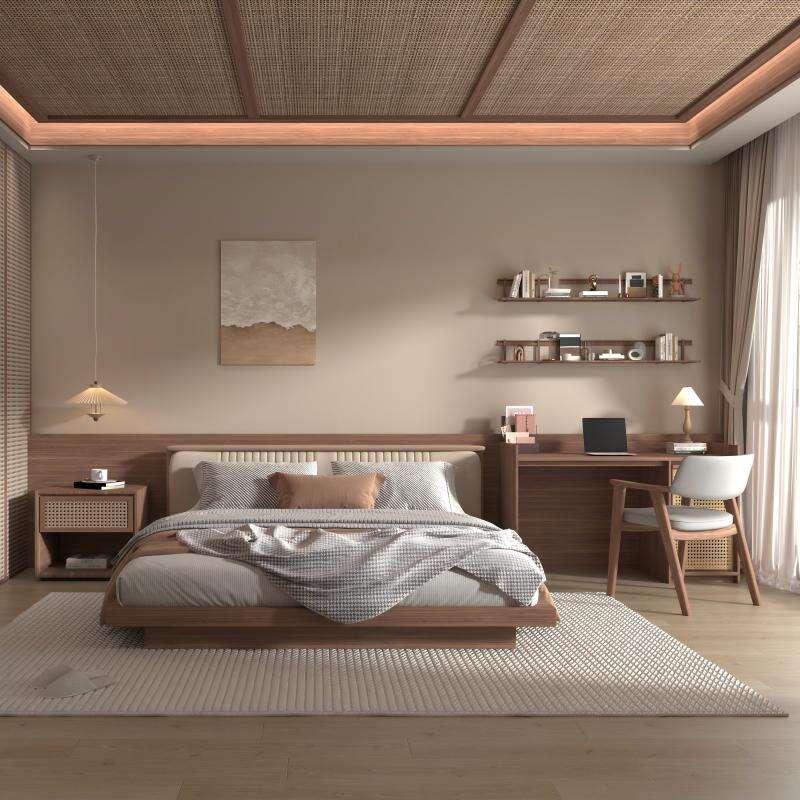
High performance wood panels offer unmatched versatility in both structural and architectural applications, adapting to diverse project requirements while maintaining consistent performance characteristics. Their uniform composition and engineered properties make them suitable for everything from heavy-duty industrial flooring to decorative wall paneling, providing designers and builders with a single material solution for multiple project needs. The panels can be manufactured in various thicknesses, sizes, and surface textures to meet specific application requirements, from thin underlayment panels for flooring systems to thick structural panels for heavy-load applications. Surface preparation options include smooth-sanded finishes for paint and stain applications, textured surfaces for enhanced adhesion of tile and other coverings, and pre-finished options that eliminate on-site finishing operations. The consistent density and composition allow for precise machining operations, enabling complex profiles, dados, and custom shapes that would be difficult or impossible to achieve with natural wood products. CNC machining capabilities are enhanced because the uniform structure prevents tear-out and splintering common with natural wood grain variations. High performance wood panels accept various fastening methods including screws, nails, adhesives, and mechanical connectors, providing flexibility in assembly techniques and connection details. Their compatibility with standard woodworking tools and techniques means that contractors and craftsmen can work with familiar methods while benefiting from superior material performance. Thermal and acoustic properties can be customized through manufacturing adjustments, creating panels optimized for specific environmental requirements such as sound dampening in recording studios or thermal bridging reduction in energy-efficient buildings. The panels can incorporate recycled content and sustainable wood sources, supporting green building initiatives and LEED certification requirements while maintaining structural and aesthetic performance standards.

Get a Free Quote

Our representative will contact you soon.
Email
WhatsApp
Name
Company Name
Message
0/1000