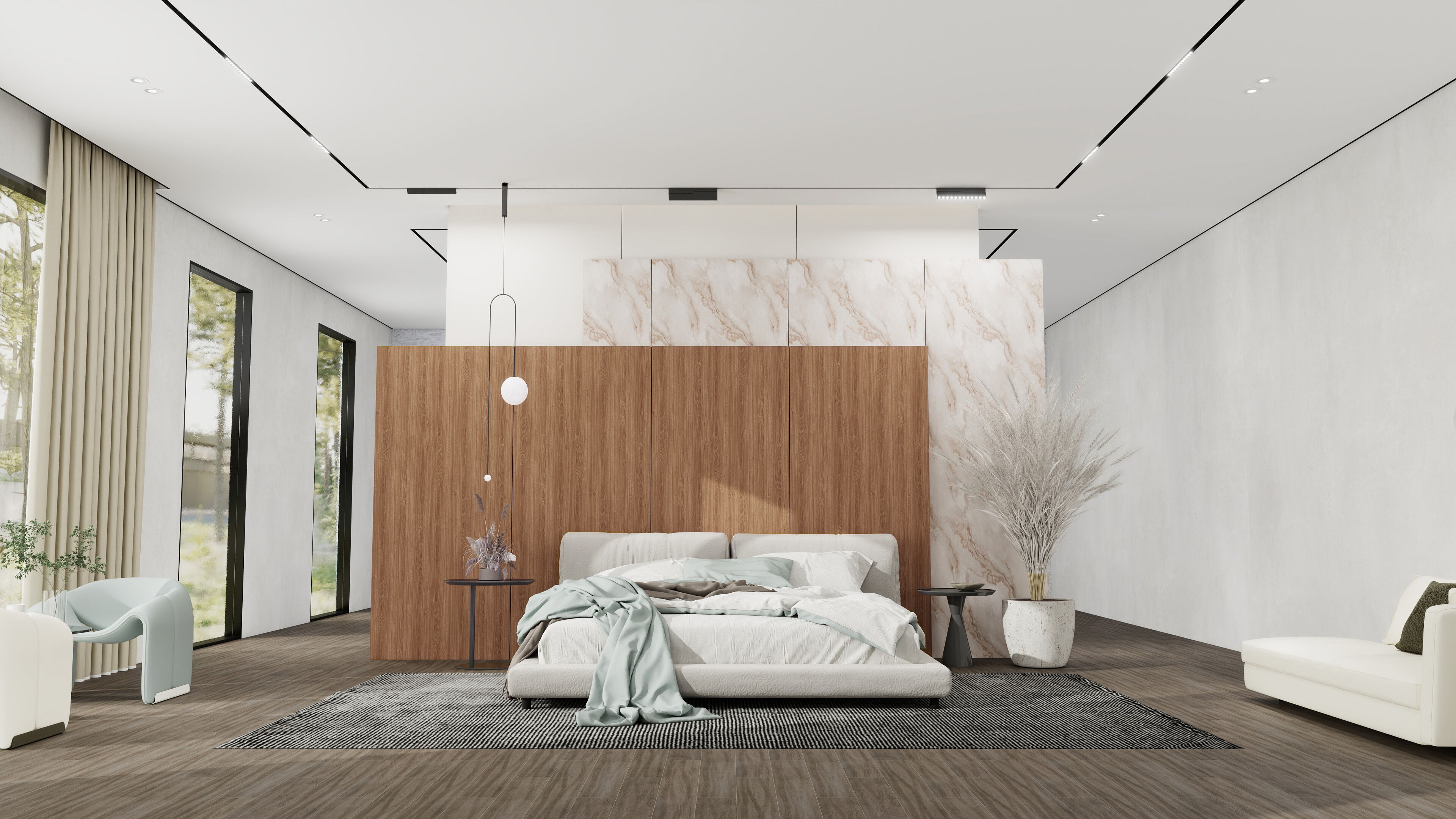
Premium Wood Panels for Furniture Manufacturing - Engineered Excellence & Design Flexibility

All Categories

Get a Free Quote

Our representative will contact you soon.
Email
WhatsApp
Name
Company Name
Message
0/1000

wood panels for furniture manufacturing

Wood panels for furniture manufacturing represent a revolutionary approach to modern furniture production, combining traditional woodworking craftsmanship with contemporary engineering techniques. These engineered wood products serve as the backbone of today's furniture industry, offering manufacturers and consumers alike a superior alternative to solid wood construction. The primary function of wood panels for furniture manufacturing centers on providing structural integrity while maximizing material efficiency and cost-effectiveness. These panels undergo sophisticated processing that transforms raw wood materials into stable, consistent, and versatile building blocks for countless furniture applications. The technological features of wood panels for furniture manufacturing include advanced bonding systems, precision cutting capabilities, and surface treatments that enhance both durability and aesthetic appeal. Modern manufacturing processes utilize computer-controlled machinery to ensure dimensional accuracy and consistent quality across every panel produced. The core technology involves layering wood fibers, particles, or veneers with specialized adhesives under controlled temperature and pressure conditions. This creates panels with superior strength-to-weight ratios compared to traditional solid wood alternatives. Applications for wood panels for furniture manufacturing span virtually every category of furniture production, from residential cabinets and tables to commercial office systems and retail fixtures. These panels excel in applications requiring flat surfaces, such as tabletops, shelving, cabinet doors, and drawer bottoms. The versatility of wood panels for furniture manufacturing makes them ideal for both structural components and decorative elements. Furniture manufacturers appreciate how these panels can be easily machined, shaped, and finished to meet specific design requirements. The consistent grain patterns and uniform thickness of wood panels for furniture manufacturing enable mass production techniques while maintaining high quality standards. Whether used in budget-friendly furniture lines or premium custom pieces, these panels deliver reliable performance and attractive appearances that satisfy diverse market demands.

New Products

The advantages of wood panels for furniture manufacturing extend far beyond simple cost savings, though economic benefits remain compelling for both manufacturers and end consumers. These engineered products deliver exceptional dimensional stability, meaning they resist warping, splitting, and shrinking that commonly affect solid wood furniture over time. This stability translates directly into longer-lasting furniture pieces that maintain their original appearance and functionality for years. Wood panels for furniture manufacturing offer superior consistency in grain patterns and surface quality, eliminating the natural variations found in solid wood that can complicate manufacturing processes and increase waste. This consistency allows furniture makers to predict material behavior accurately and plan production schedules more efficiently. The manufacturing process for wood panels creates products with enhanced strength characteristics, often exceeding the load-bearing capacity of comparable solid wood pieces. This increased strength enables furniture designers to create thinner profiles without sacrificing structural integrity, resulting in more elegant and contemporary furniture designs. Environmental benefits represent another significant advantage of wood panels for furniture manufacturing, as these products typically utilize wood waste and smaller trees that would otherwise go unused. This efficient use of forest resources reduces environmental impact while supporting sustainable forestry practices. The versatility of wood panels for furniture manufacturing allows manufacturers to achieve complex shapes and configurations that would be difficult or impossible with solid wood construction. These panels accept various finishes readily, from natural wood stains to painted surfaces, providing designers with unlimited creative possibilities. Processing advantages include reduced drying time compared to solid wood, faster machining speeds, and improved tool life due to consistent material density. Wood panels for furniture manufacturing also offer better screw-holding power in many applications, ensuring stronger joint connections that enhance overall furniture durability. Storage and handling benefits include lighter weight for shipping, standardized dimensions for inventory management, and reduced risk of damage during transportation. Quality control becomes more predictable with wood panels for furniture manufacturing, as each panel undergoes rigorous testing and inspection during production, ensuring consistent performance across entire production runs.

Practical Tips

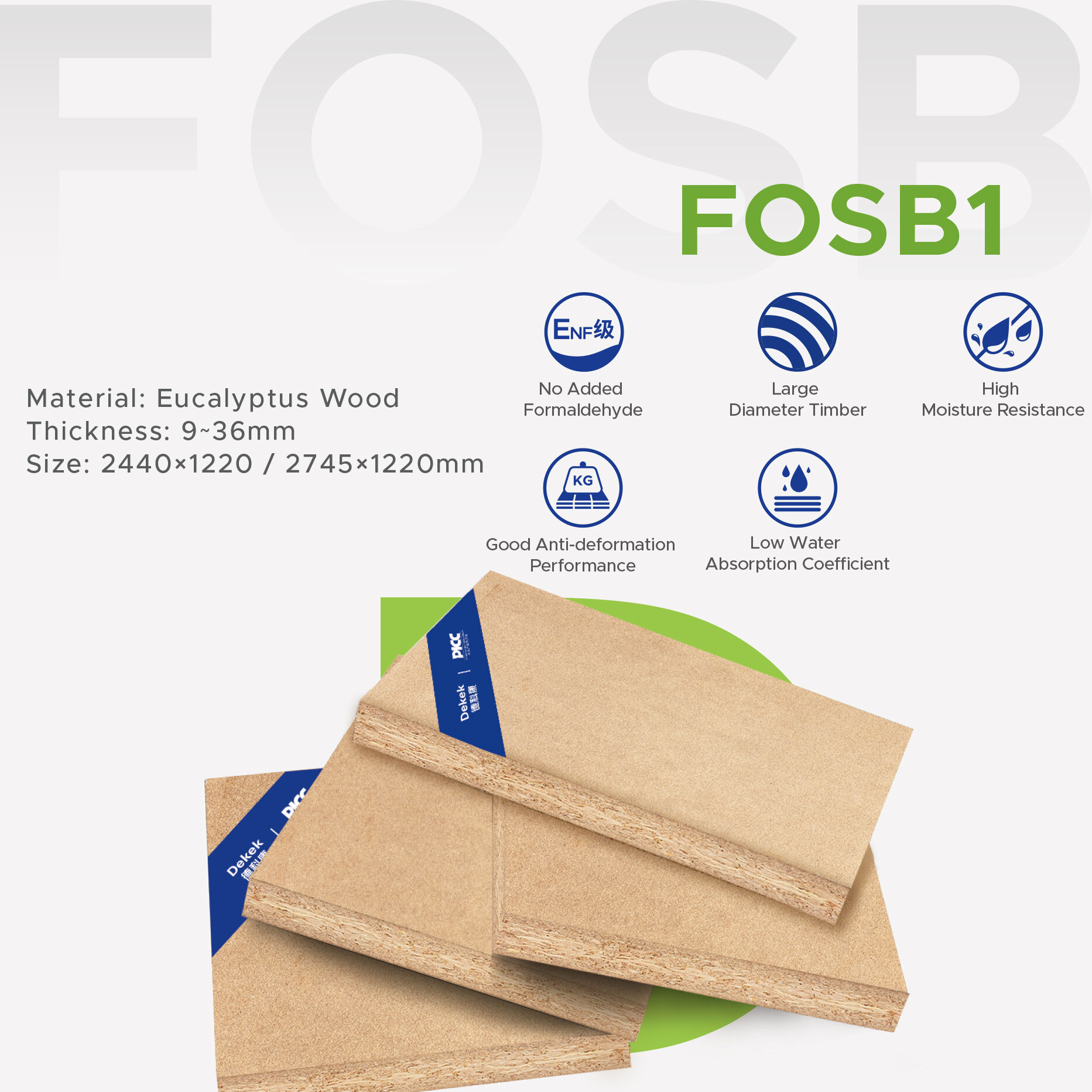
Dekek FOSB – The Scent of Nature, The Choice of Quality

22

Aug

Dekek FOSB – The Scent of Nature, The Choice of Quality

View More
What Exactly Are The Difference of OSB, LSB, and FOSB?

07

Nov

What Exactly Are The Difference of OSB, LSB, and FOSB?

View More
Exploring Innovative Applications of OSB in Interior Design

24

Nov

Exploring Innovative Applications of OSB in Interior Design

View More
What Innovative Wall Panel Styles Are Trending in 2025?

24

Nov

What Innovative Wall Panel Styles Are Trending in 2025?

View More

Get a Free Quote

Our representative will contact you soon.
Email
WhatsApp
Name
Company Name
Message
0/1000

wood panels for furniture manufacturing

Superior Structural Performance and Engineering Excellence

Superior Structural Performance and Engineering Excellence

Wood panels for furniture manufacturing deliver unmatched structural performance through advanced engineering techniques that optimize material properties for specific applications. The manufacturing process creates panels with enhanced load-bearing capabilities that often exceed those of solid wood alternatives, making them ideal for demanding furniture applications such as heavy-duty shelving, commercial workstations, and high-traffic office furniture. This superior performance stems from controlled density distribution throughout each panel, ensuring consistent strength characteristics across the entire surface area. The engineering excellence of wood panels for furniture manufacturing becomes evident in their ability to maintain dimensional stability under varying environmental conditions, a critical factor for furniture durability and customer satisfaction. Unlike solid wood, which can expand and contract significantly with humidity changes, these engineered panels maintain their shape and size consistently, preventing door misalignment, drawer binding, and joint failure that commonly plague traditional furniture construction. The multi-layer construction of many wood panels for furniture manufacturing creates products with exceptional rigidity and resistance to sagging, even when used in long spans without intermediate support. This characteristic enables furniture designers to create sleek, modern pieces with clean lines and minimal visible support structures. The precision manufacturing process ensures that each panel meets exact specifications for thickness, flatness, and surface quality, eliminating the time-consuming preparation work required with solid wood materials. Quality control measures during production include continuous monitoring of adhesive application, pressure distribution, and curing conditions to guarantee optimal bonding between layers. These rigorous standards result in wood panels for furniture manufacturing that exhibit superior screw-holding power, edge-banding adhesion, and overall joint integrity compared to natural wood alternatives. The consistent internal structure of these panels also provides predictable machining characteristics, allowing manufacturers to achieve precise cuts, clean edges, and smooth surfaces with minimal tool wear and reduced production time.
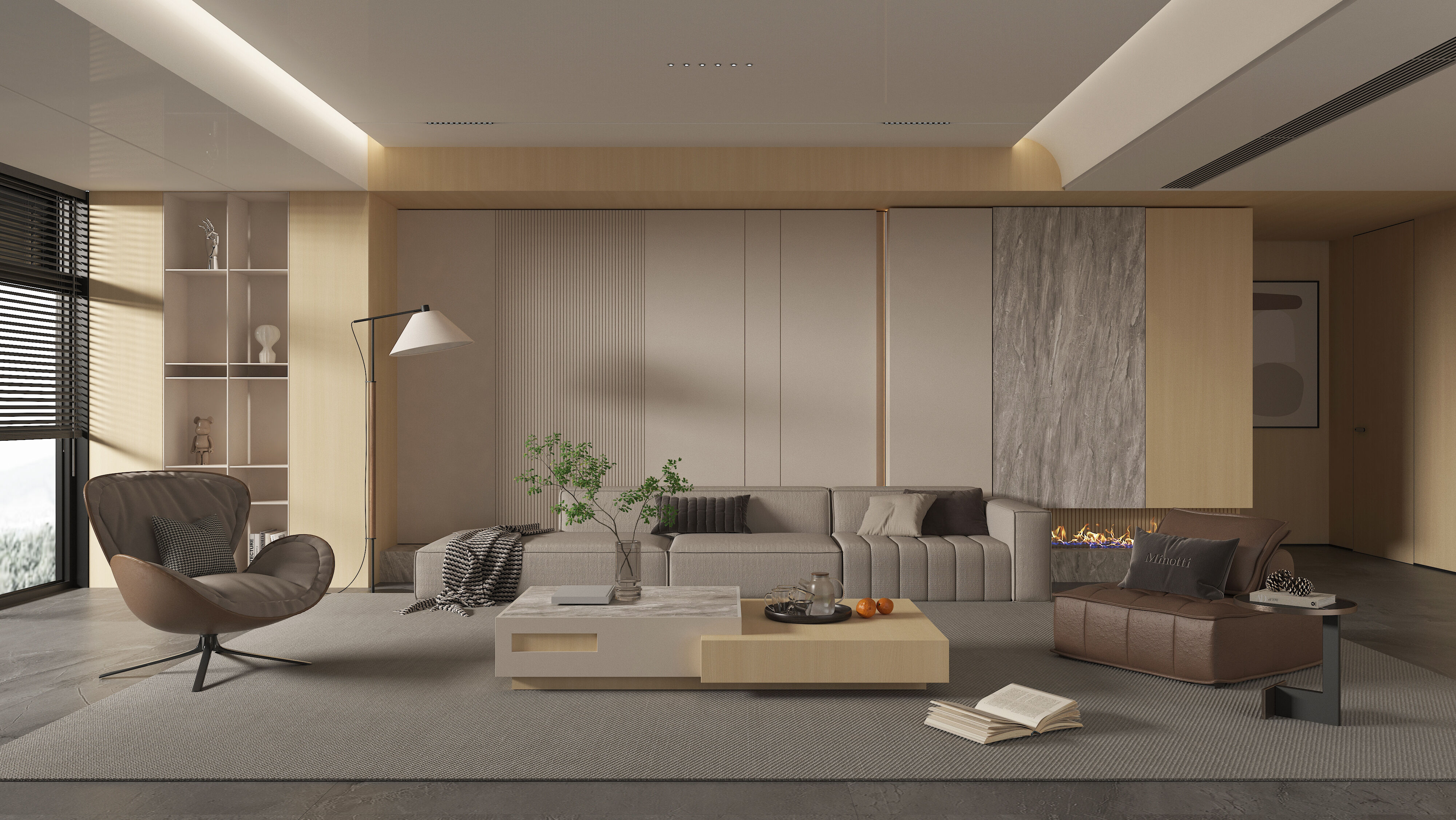
Cost-Effective Production and Material Optimization

Cost-Effective Production and Material Optimization

The cost-effectiveness of wood panels for furniture manufacturing extends throughout the entire production cycle, from raw material procurement to finished product delivery, creating significant value for manufacturers and ultimately consumers. These engineered products maximize the utilization of available wood resources by incorporating wood fibers, particles, and veneers that would otherwise be considered waste materials in traditional lumber processing. This efficient resource utilization translates into lower raw material costs while simultaneously supporting sustainable forestry practices and reducing environmental impact. Wood panels for furniture manufacturing eliminate many of the cost factors associated with solid wood production, including lengthy drying periods, extensive grading processes, and high material waste due to natural defects. The standardized dimensions and consistent quality of these panels streamline inventory management, reducing storage space requirements and simplifying material planning for production schedules. Manufacturing efficiency improves dramatically when using wood panels for furniture manufacturing, as the consistent material properties enable faster processing speeds, reduced tool changes, and more predictable machining outcomes. The uniform density and composition of these panels result in cleaner cuts, smoother surfaces, and reduced sanding requirements, all contributing to lower labor costs and faster production times. Transportation costs benefit from the lighter weight and compact packaging of wood panels for furniture manufacturing compared to equivalent volumes of solid wood materials. The reduced weight also translates into lower shipping costs for finished furniture products, creating additional savings that can be passed on to consumers. Long-term cost benefits include reduced warranty claims and customer service issues due to the superior dimensional stability and durability of furniture constructed with wood panels for furniture manufacturing. The predictable performance characteristics of these materials enable manufacturers to offer extended warranties with confidence, enhancing customer satisfaction and brand reputation. Additionally, the consistent surface quality of wood panels for furniture manufacturing reduces finishing material consumption and labor time, further contributing to overall cost savings in the production process.
Versatile Design Flexibility and Aesthetic Excellence

Versatile Design Flexibility and Aesthetic Excellence

Wood panels for furniture manufacturing provide unprecedented design flexibility that empowers furniture creators to realize innovative concepts while maintaining practical functionality and visual appeal. The uniform composition and consistent surface characteristics of these panels accommodate virtually any design aesthetic, from contemporary minimalist styles to traditional ornate patterns, making them indispensable tools for modern furniture design. This versatility stems from the engineered nature of wood panels for furniture manufacturing, which eliminates the natural limitations imposed by solid wood grain direction, knot patterns, and color variations. Designers can specify exact dimensions, surface textures, and performance characteristics to match their creative vision without compromising structural integrity or manufacturing feasibility. The surface preparation capabilities of wood panels for furniture manufacturing enable the application of diverse finishing techniques, including high-gloss lacquers, textured paints, wood grain overlays, and decorative laminates that would be difficult or impossible to achieve with solid wood substrates. This finishing versatility allows furniture manufacturers to create products that perfectly match specific design requirements or corporate branding guidelines while maintaining cost-effectiveness and production efficiency. Complex geometric shapes and compound curves become achievable with wood panels for furniture manufacturing through specialized forming techniques that take advantage of the material's consistent density and controlled moisture content. This capability opens new possibilities for sculptural furniture pieces and ergonomic designs that enhance user comfort and visual impact. The edge-working characteristics of wood panels for furniture manufacturing support various finishing options, from simple painted edges to sophisticated wood banding applications that create the appearance of solid wood construction at a fraction of the cost. Color matching and grain coordination become simplified when using wood panels for furniture manufacturing, as manufacturers can specify consistent surface characteristics across entire product lines, ensuring visual harmony in furniture suites and office systems. The ability to combine different panel types within single furniture pieces creates opportunities for functional zoning, where structural areas utilize high-strength panels while visible surfaces feature decorative options optimized for appearance and finish quality.

Get a Free Quote

Our representative will contact you soon.
Email
WhatsApp
Name
Company Name
Message
0/1000