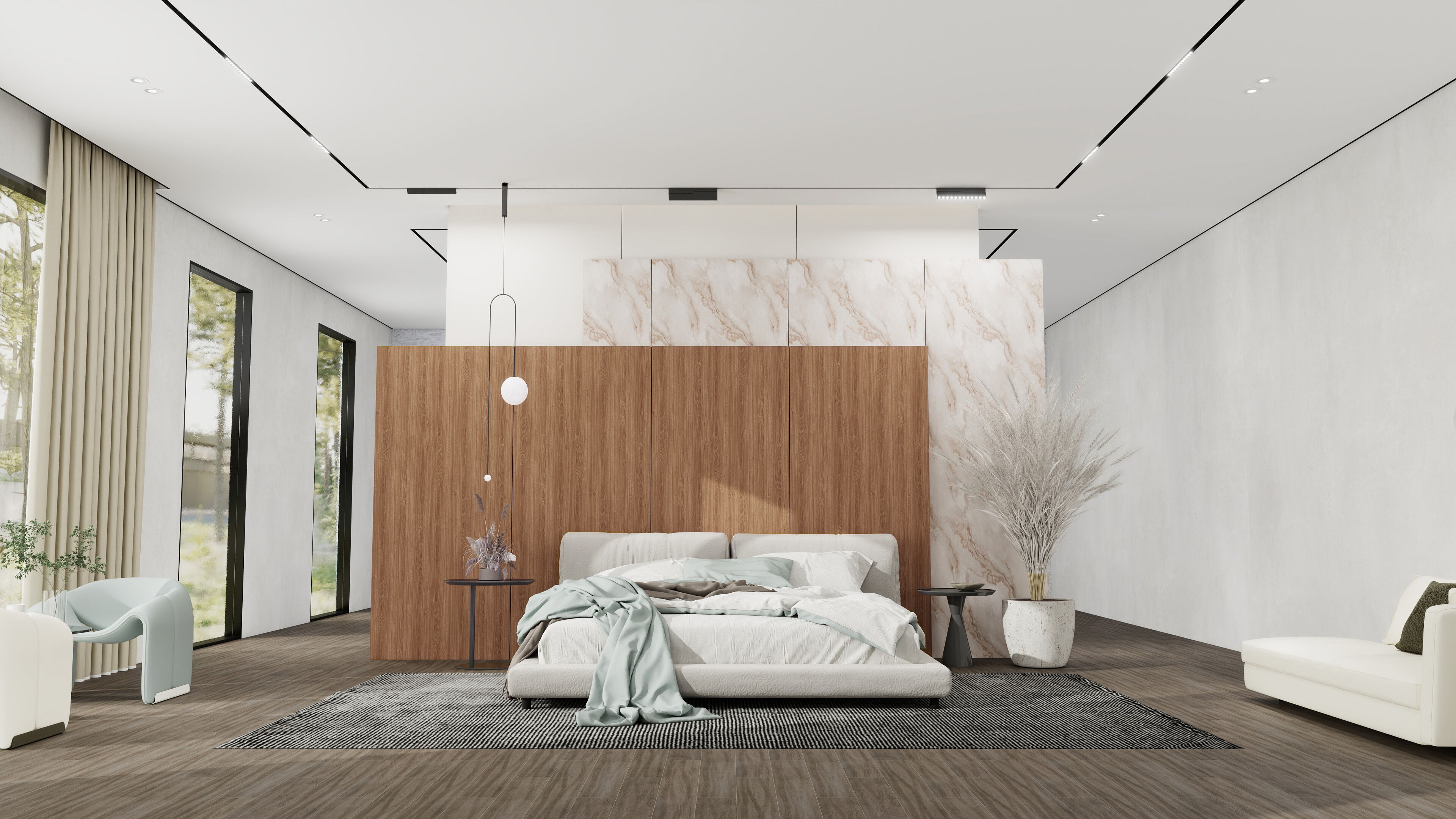
Premium Light Wood Paneling Solutions - Lightweight, Durable & Sustainable Interior Design

All Categories

Get a Free Quote

Our representative will contact you soon.
Email
WhatsApp
Name
Company Name
Message
0/1000

light wood paneling

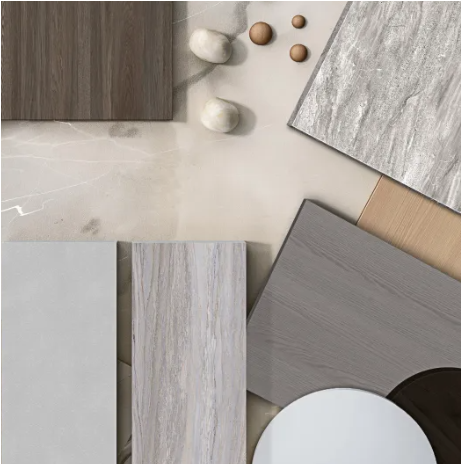
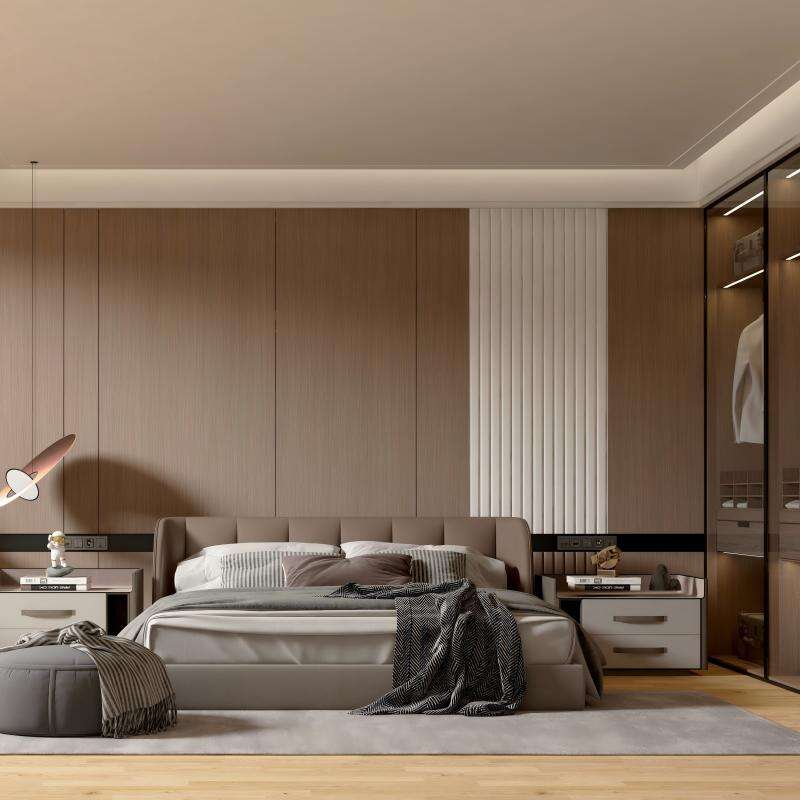
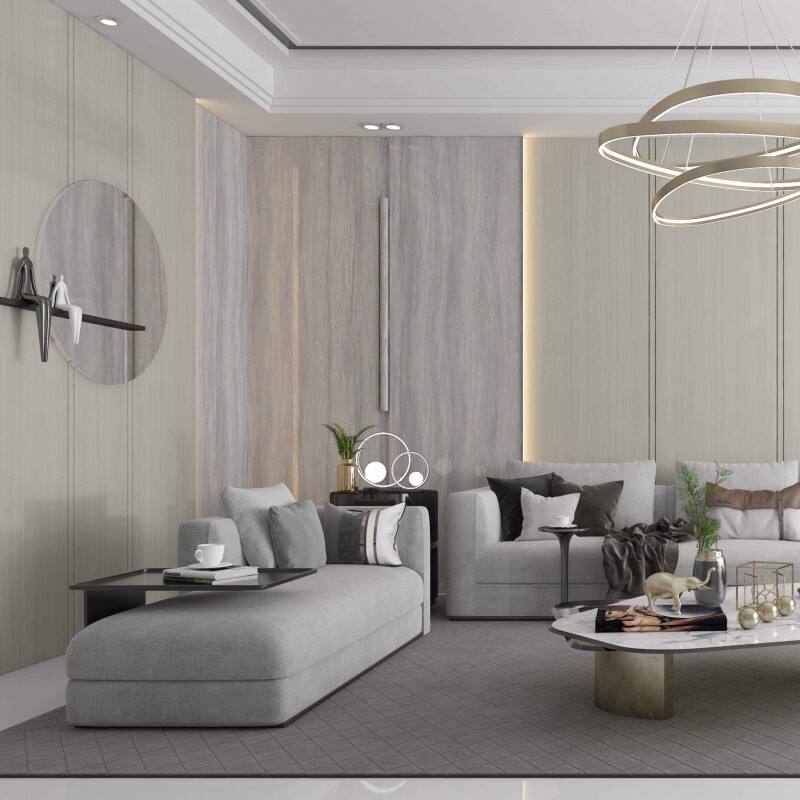
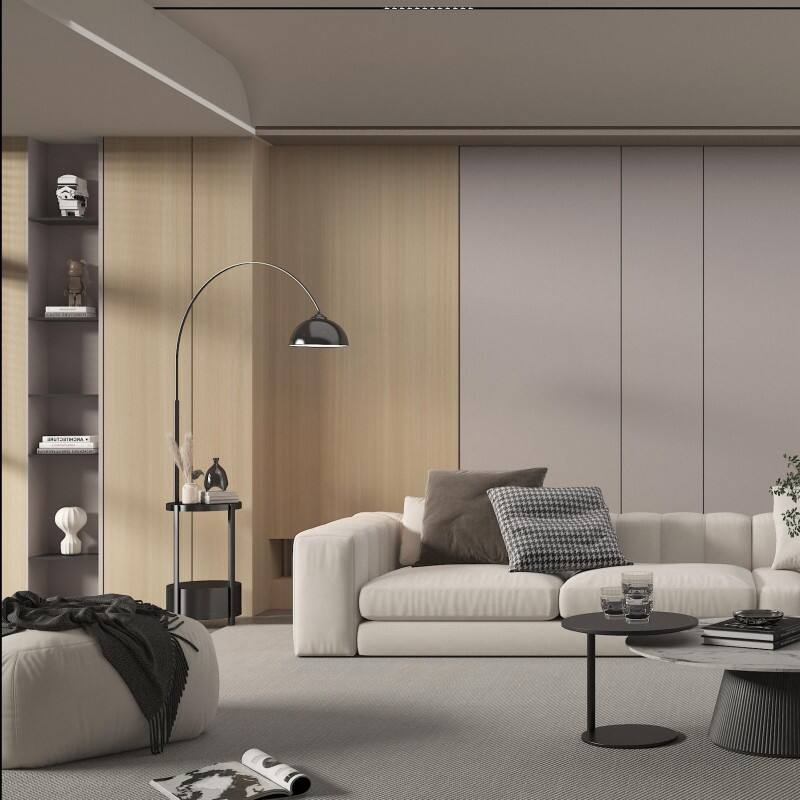
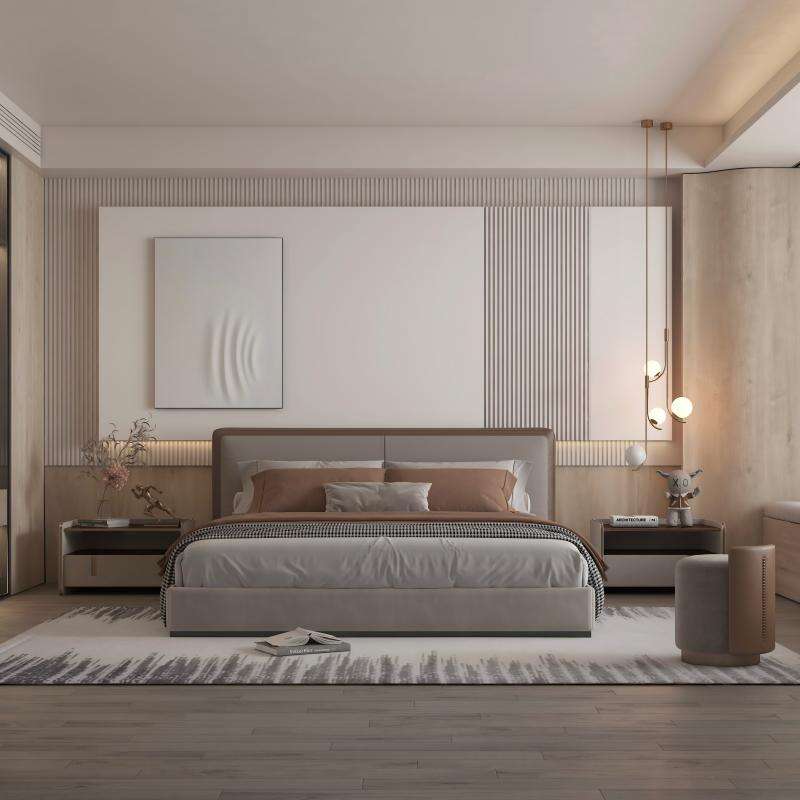
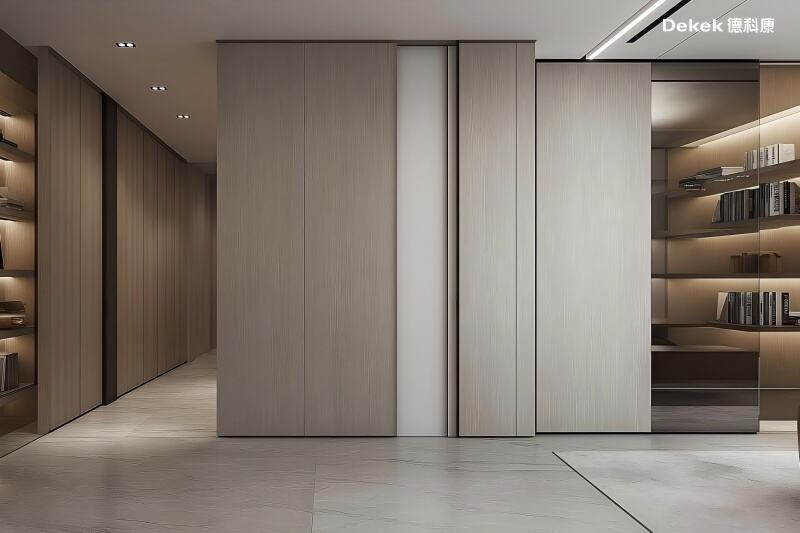
Light wood paneling represents a revolutionary approach to interior design and construction, offering an elegant solution that combines natural aesthetics with modern engineering excellence. This innovative material system transforms traditional heavy timber concepts into lightweight, versatile panels that maintain the warmth and beauty of natural wood while delivering superior performance characteristics. The core technology behind light wood paneling involves advanced manufacturing processes that reduce material weight without compromising structural integrity or visual appeal. These panels typically feature engineered wood cores, often utilizing sustainable materials like bamboo fibers, recycled wood particles, or lightweight composite materials, all wrapped in genuine wood veneers or high-quality wood-grain finishes. The main functions of light wood paneling extend beyond mere decoration, serving as functional building components that provide thermal insulation, acoustic dampening, and moisture resistance. Modern production techniques ensure consistent quality and dimensional stability, making these panels suitable for both residential and commercial applications. The technological features include precision-engineered joints that facilitate easy installation, integrated fastening systems that eliminate visible hardware, and surface treatments that enhance durability and maintenance efficiency. Applications span across interior wall coverings, ceiling installations, furniture construction, retail displays, hospitality environments, and architectural accent features. The versatility of light wood paneling allows designers and architects to achieve sophisticated wood aesthetics in spaces where traditional solid wood would be impractical due to weight restrictions, budget constraints, or environmental considerations. Installation flexibility enables both horizontal and vertical orientations, creating dynamic visual patterns that enhance spatial perception and architectural interest.
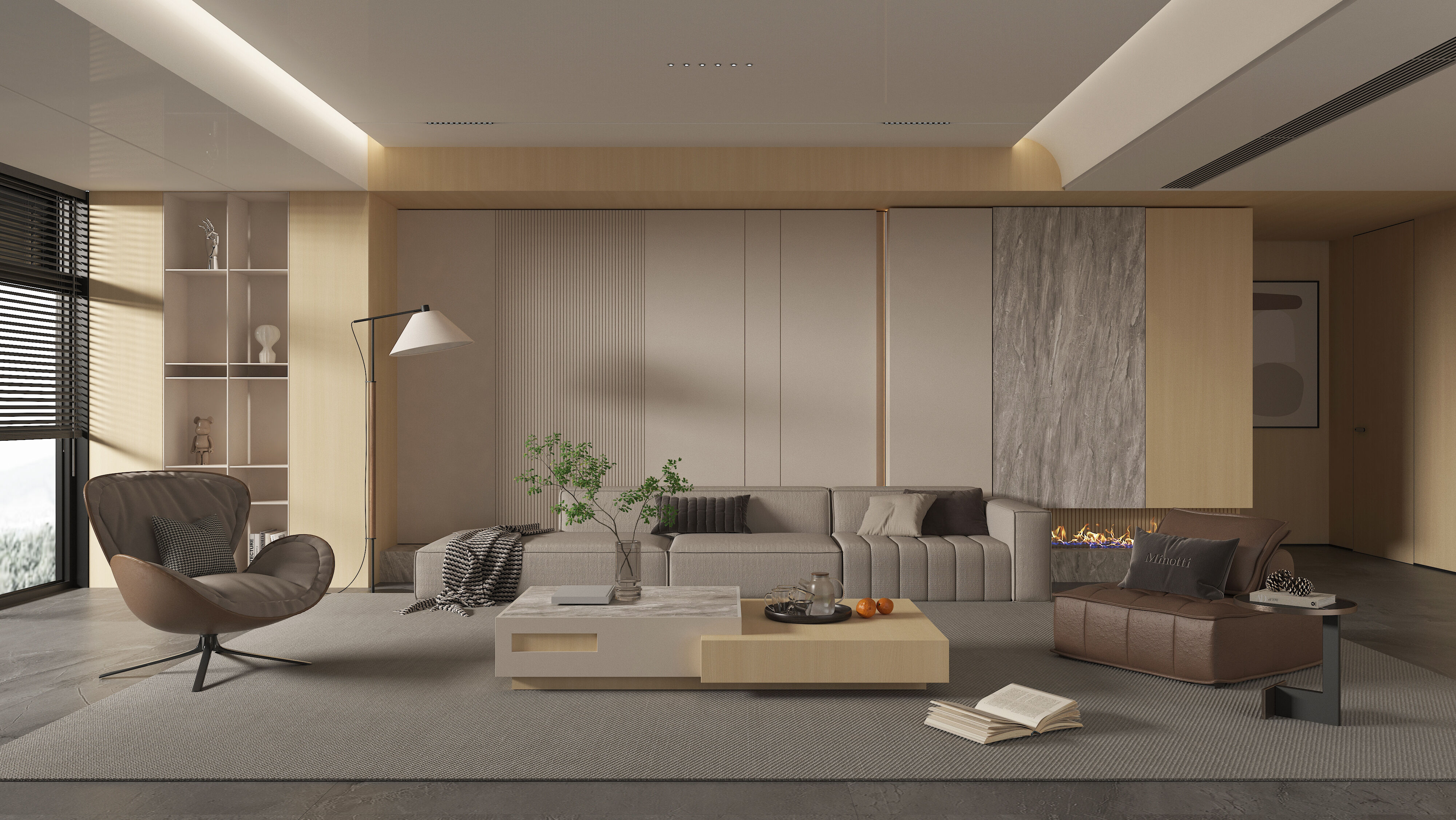
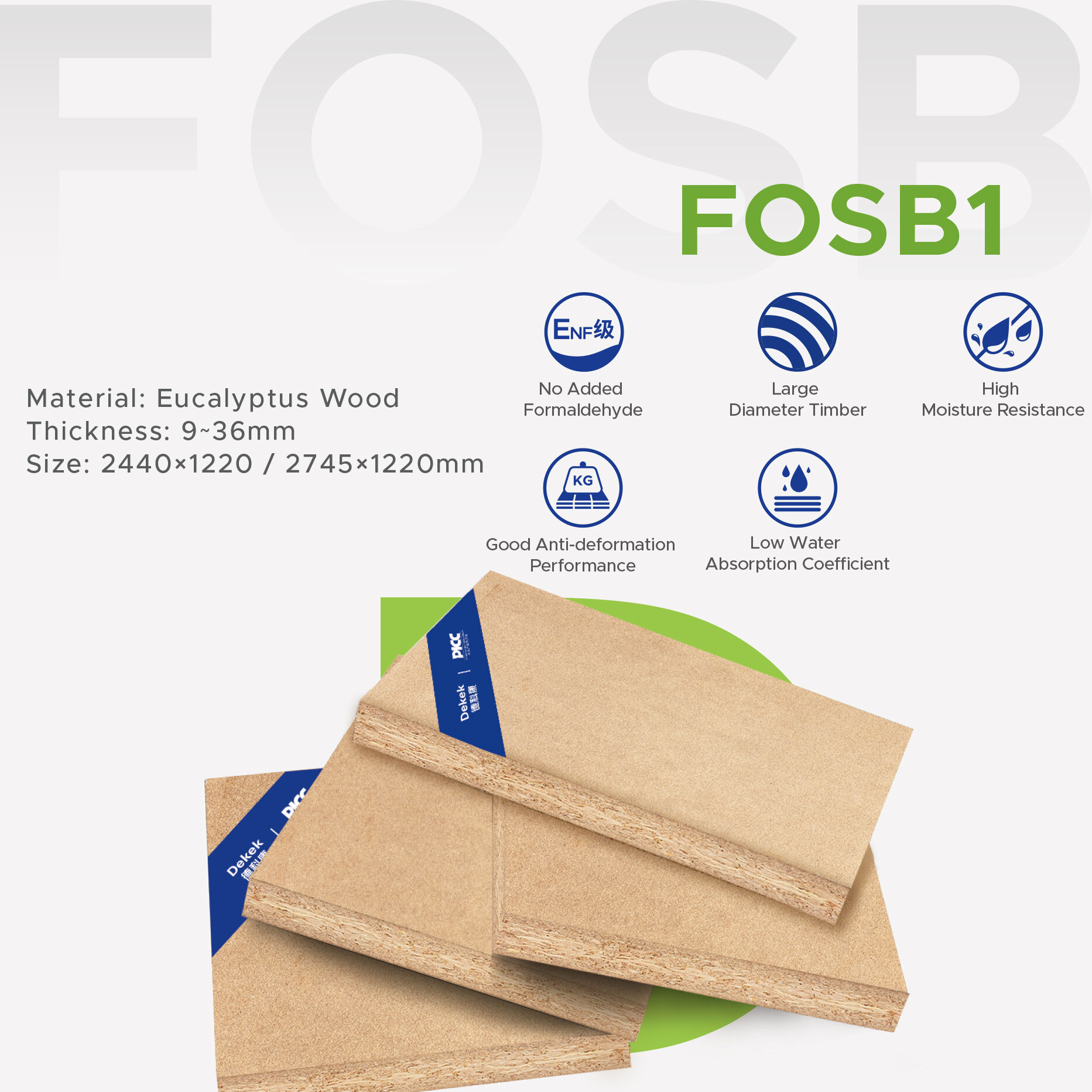
Popular Products

Light wood paneling delivers exceptional value through numerous practical benefits that address real-world construction and design challenges. The primary advantage lies in its significantly reduced weight compared to solid wood alternatives, making installation faster, safer, and more cost-effective. This weight reduction eliminates the need for additional structural support in most applications, reducing overall project costs and construction complexity. Installation teams can handle larger panels with standard equipment, accelerating project timelines and reducing labor expenses. The engineered construction provides superior dimensional stability, preventing the warping, splitting, and seasonal movement common with solid wood products. This stability ensures long-term performance and maintains aesthetic quality over time, reducing maintenance requirements and replacement costs. Cost efficiency represents another major advantage, as light wood paneling typically costs 30-50% less than equivalent solid wood installations while delivering comparable visual impact. The manufacturing process allows for consistent quality control, ensuring uniform color, grain patterns, and surface characteristics across entire installations. Environmental benefits include reduced raw material consumption and the ability to incorporate recycled content without compromising performance. Many light wood paneling products qualify for green building certifications, supporting sustainable construction goals and potentially providing tax incentives or regulatory advantages. Thermal performance exceeds solid wood due to engineered core materials that provide enhanced insulation properties, contributing to energy efficiency and comfort. Acoustic benefits include improved sound absorption and transmission reduction, making these panels ideal for office environments, residential spaces, and commercial applications where noise control is important. Fire resistance can be enhanced through specialized treatments and core materials, meeting building code requirements that might exclude solid wood options. Surface durability is improved through advanced finishing technologies that resist scratches, stains, and UV degradation better than traditional wood finishes. Maintenance requirements are minimal, typically requiring only routine cleaning with standard household products, eliminating the need for periodic refinishing or specialized care procedures that solid wood demands.

Practical Tips

The Forming Process of Dekek FOSB

22

Aug

The Forming Process of Dekek FOSB

View More
What are the Differences Between Dekek FOSB, MDF, PB, and Plywood?

31

Oct

What are the Differences Between Dekek FOSB, MDF, PB, and Plywood?

View More
How is Dekek to make sure the Anti-deformation Performance in Panels

29

Oct

How is Dekek to make sure the Anti-deformation Performance in Panels

View More
What Innovative Wall Panel Styles Are Trending in 2025?

24

Nov

What Innovative Wall Panel Styles Are Trending in 2025?

View More

Get a Free Quote

Our representative will contact you soon.
Email
WhatsApp
Name
Company Name
Message
0/1000

light wood paneling

Superior Weight-to-Strength Performance Engineering

Superior Weight-to-Strength Performance Engineering

The revolutionary engineering behind light wood paneling creates an optimal balance between structural performance and material efficiency that transforms construction possibilities. Advanced composite core technologies utilize engineered materials like honeycomb structures, foam cores, or fiber-reinforced substrates that provide exceptional strength while maintaining minimal weight. This engineering approach allows panels to span larger distances without sagging or requiring intermediate support, opening new design possibilities for architects and builders. The weight reduction, typically 40-60% compared to solid wood equivalents, significantly impacts installation logistics and structural requirements. Construction teams can handle larger panel sections with standard lifting equipment, reducing installation time and labor costs while improving worker safety. The reduced weight also means existing structures can often accommodate light wood paneling installations without costly structural modifications or reinforcements. Building loads are minimized, which is particularly valuable in high-rise construction, renovation projects, or situations where floor loading limitations exist. The strength characteristics are carefully engineered to meet or exceed building code requirements while providing consistent performance across temperature and humidity variations. Quality control during manufacturing ensures every panel meets strict performance standards, eliminating the natural variations that can affect solid wood products. The core materials are selected and processed to provide specific performance characteristics, including enhanced screw-holding power, consistent density distribution, and optimal thermal properties. Surface bonding technologies create permanent adhesion between veneer layers and core materials, preventing delamination and ensuring long-term durability. Advanced testing protocols verify performance under various stress conditions, including impact resistance, thermal cycling, and moisture exposure, providing confidence in real-world applications. Installation flexibility is enhanced by the predictable weight distribution and consistent material properties, allowing contractors to work more efficiently and achieve superior results with standard tools and techniques.
Advanced Thermal and Acoustic Performance Integration

Advanced Thermal and Acoustic Performance Integration

Light wood paneling incorporates sophisticated thermal and acoustic engineering that delivers multi-functional performance benefits extending far beyond traditional decorative applications. The engineered core structures create optimal air spaces and material densities that significantly enhance insulation properties compared to solid wood alternatives. Thermal resistance values typically exceed solid wood by 25-40%, contributing to building energy efficiency and occupant comfort while reducing heating and cooling costs. The cellular structure of many core materials creates natural thermal breaks that minimize heat transfer, while maintaining breathability that prevents moisture accumulation and condensation issues. Acoustic performance represents another critical advantage, with engineered cores specifically designed to absorb sound energy and reduce noise transmission between spaces. Sound absorption coefficients can be optimized for specific frequency ranges, making these panels particularly effective in office environments, educational facilities, and residential applications where noise control is essential. The combination of surface texture, core density variations, and panel thickness creates multi-layered acoustic dampening that outperforms solid wood in most applications. Installation techniques can further enhance acoustic performance through strategic placement and integration with other building systems. Thermal mass characteristics are carefully balanced to provide beneficial heat storage in appropriate climates while avoiding thermal lag issues in others. The engineered approach allows manufacturers to optimize these performance characteristics for specific regional requirements and building types. Integration with building automation systems is facilitated by consistent thermal properties and predictable performance characteristics that enable precise HVAC system sizing and control strategies. Advanced surface treatments can include phase-change materials or other thermal regulation technologies that enhance comfort and energy efficiency. The dual performance benefits create significant value for building owners through reduced operating costs, improved occupant satisfaction, and potential qualification for energy efficiency incentives or green building certifications that provide long-term financial and marketing advantages.
Sustainable Manufacturing and Environmental Responsibility Excellence

Sustainable Manufacturing and Environmental Responsibility Excellence

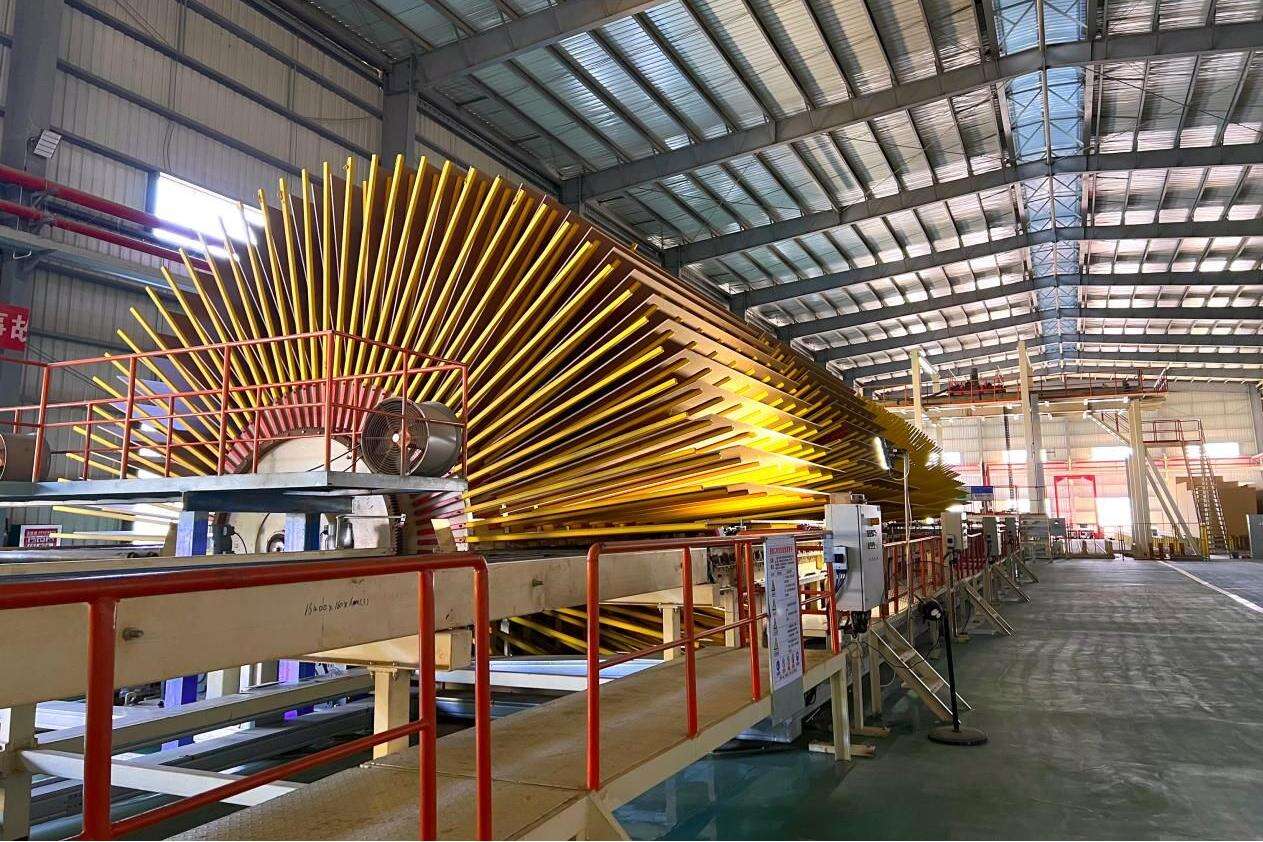
Light wood paneling represents a paradigm shift toward sustainable construction materials that addresses growing environmental concerns while delivering superior performance and aesthetic value. The manufacturing process optimizes raw material utilization through advanced processing technologies that minimize waste and maximize yield from each timber source. Engineered cores often incorporate recycled materials, including post-consumer wood fiber, agricultural residues, or other sustainable substrates that would otherwise require disposal. This approach reduces dependence on virgin timber resources while creating value from waste streams, supporting circular economy principles and reducing environmental impact. Forest stewardship is enhanced through selective harvesting practices that focus on fast-growing species and sustainable forest management techniques. The veneer production process maximizes surface area yield from each log, allowing a single tree to cover significantly more area than solid wood applications. Advanced adhesive technologies utilize low-emission or formaldehyde-free bonding agents that improve indoor air quality and reduce environmental impact during manufacturing and installation. Life cycle assessments demonstrate superior environmental performance compared to solid wood alternatives when considering transportation efficiency, installation energy, and long-term durability factors. Carbon footprint reduction is achieved through optimized logistics enabled by reduced weight and improved packaging efficiency. Manufacturing facilities increasingly utilize renewable energy sources and implement closed-loop water systems that minimize environmental impact. End-of-life considerations include recyclability options and biodegradable components that support sustainable disposal or repurposing strategies. Certification programs from organizations like the Forest Stewardship Council provide verification of sustainable sourcing and manufacturing practices, supporting green building initiatives and corporate sustainability goals. Regional manufacturing capabilities reduce transportation distances and support local economies while minimizing carbon emissions associated with long-distance shipping. Quality management systems ensure consistent environmental performance while maintaining product excellence, providing confidence that sustainability goals do not compromise functional requirements or aesthetic expectations that customers demand in modern construction projects.

Get a Free Quote

Our representative will contact you soon.
Email
WhatsApp
Name
Company Name
Message
0/1000