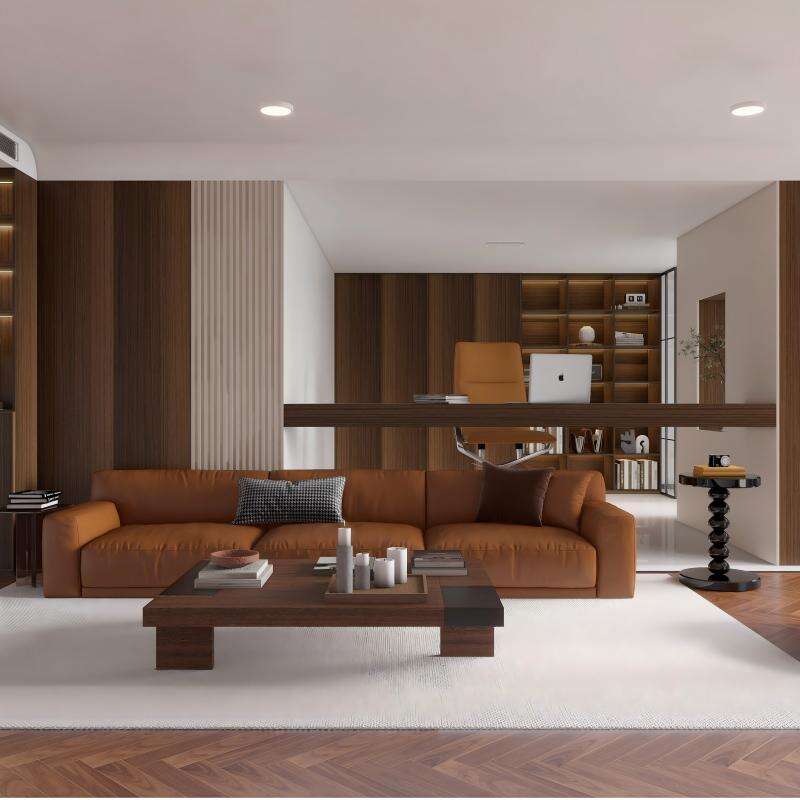
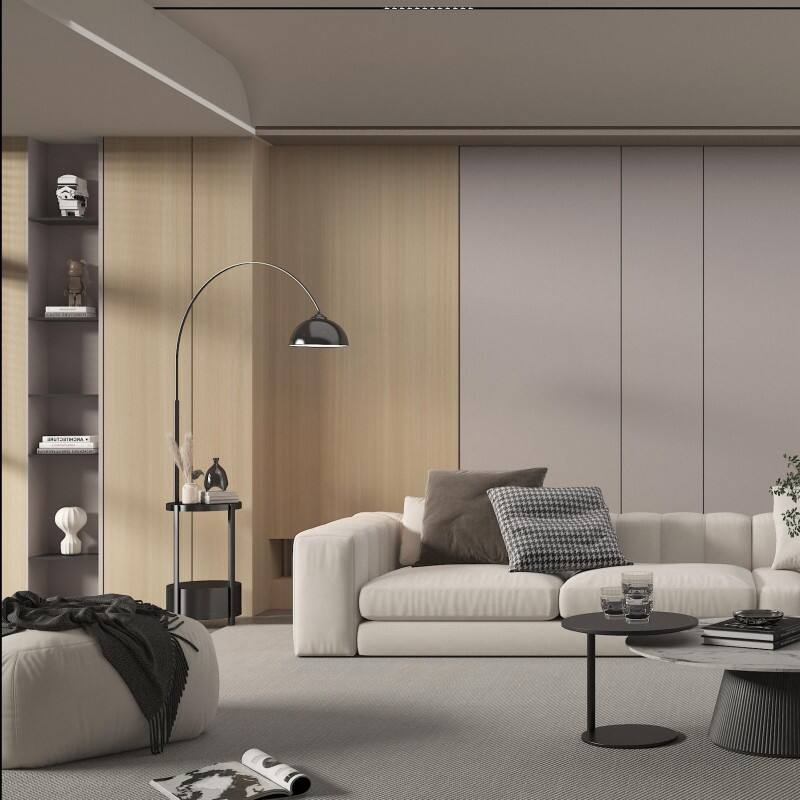
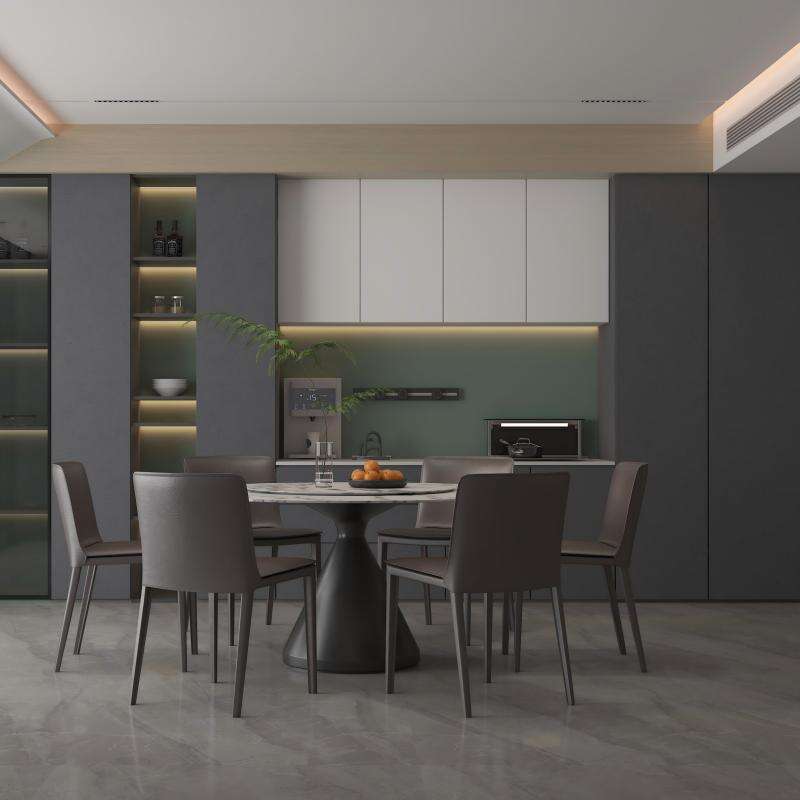
quality wood panel
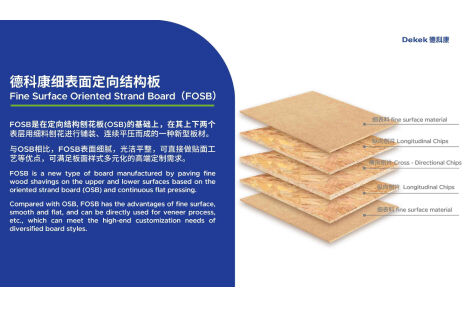
A quality wood panel represents the pinnacle of engineered wood technology, combining natural beauty with enhanced performance characteristics that surpass traditional solid wood applications. These sophisticated panels are manufactured using advanced bonding techniques that unite multiple layers of wood fibers, veneers, or particles into a cohesive, stable structure. The primary function of a quality wood panel is to provide consistent dimensional stability while maintaining the aesthetic appeal and workability of natural wood. Unlike solid timber, these panels resist warping, splitting, and seasonal movement that commonly plague conventional wood products. The technological features of quality wood panel construction include precision moisture control during manufacturing, specialized adhesive systems that create permanent bonds between layers, and carefully selected raw materials that ensure optimal grain orientation. Modern production facilities employ computer-controlled pressing systems that apply uniform pressure and temperature across the entire panel surface, resulting in consistent thickness and density throughout. The core structure typically consists of cross-laminated layers that counteract natural wood movement, while surface veneers provide the desired appearance and texture. Quality wood panels find extensive applications across residential and commercial construction projects, including cabinetry, furniture manufacturing, architectural millwork, and interior design elements. These panels excel in environments where dimensional stability is crucial, such as kitchen installations, bathroom vanities, and built-in storage systems. The versatility of quality wood panel products extends to flooring applications, wall paneling, and decorative elements where consistent appearance and performance are essential. Manufacturing processes incorporate sustainable forestry practices, making quality wood panels an environmentally responsible choice for conscious consumers. The panels can be produced in various thicknesses, sizes, and surface finishes to accommodate specific project requirements, from thin overlay applications to structural load-bearing components.



 EN
EN