Exceptional Surface Quality and Finishing Capabilities
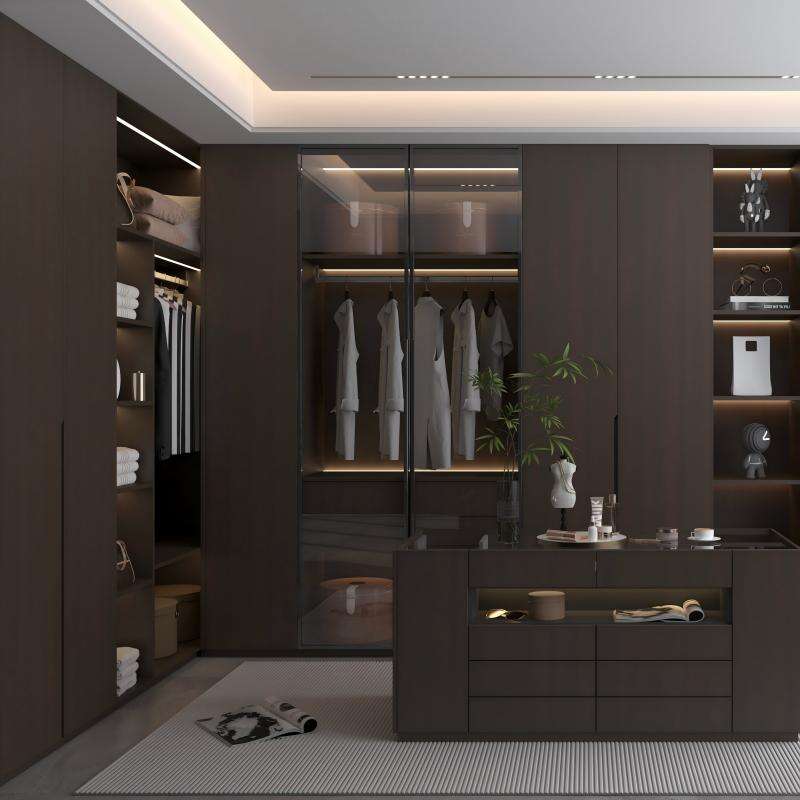
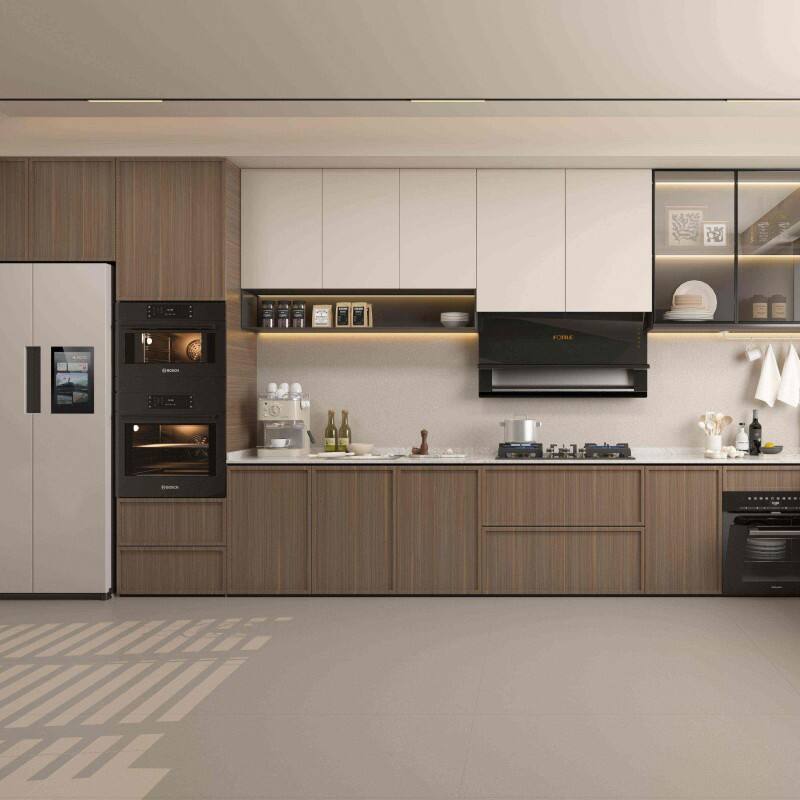
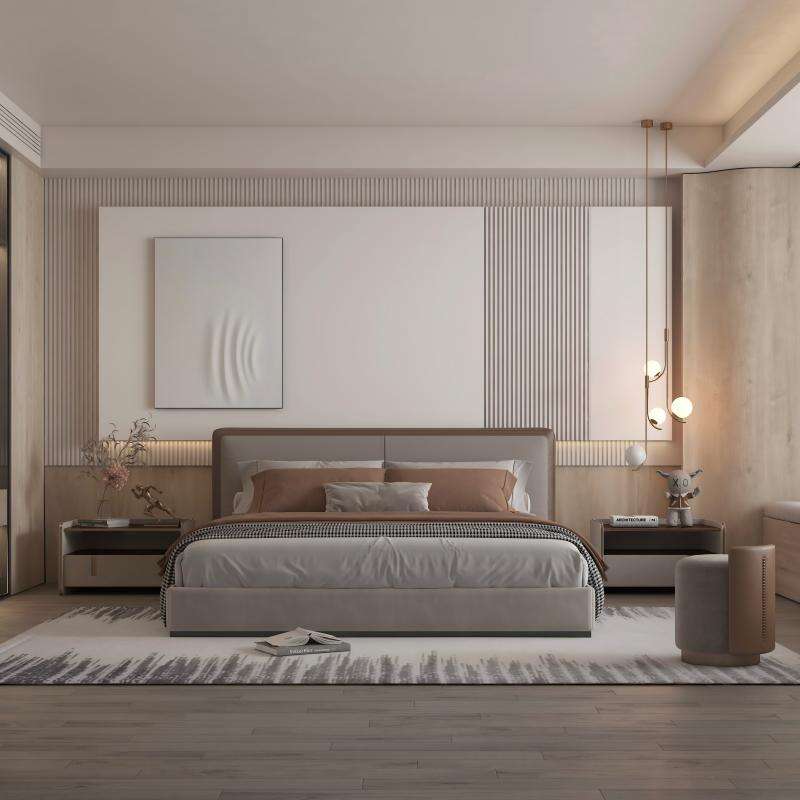
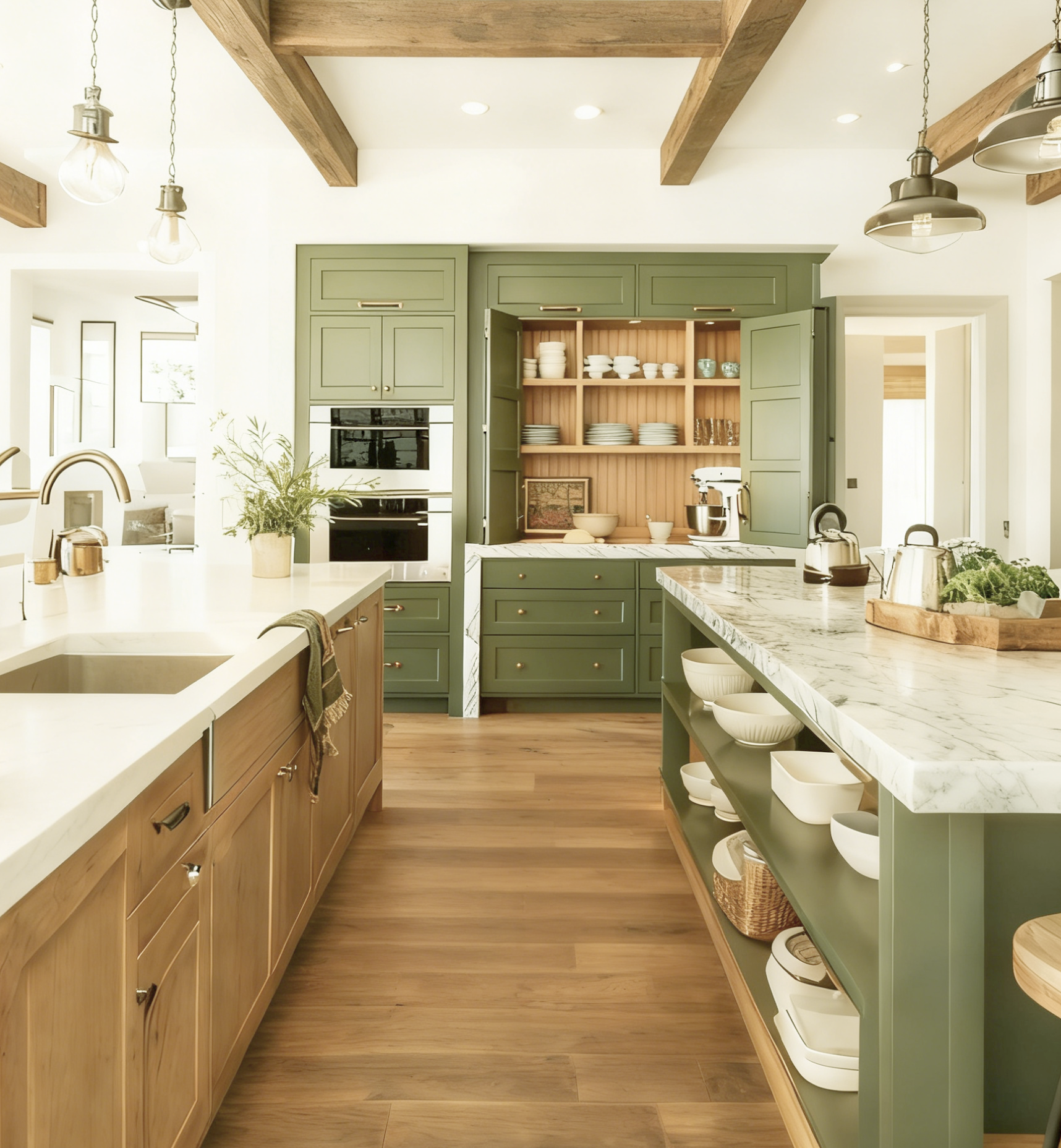
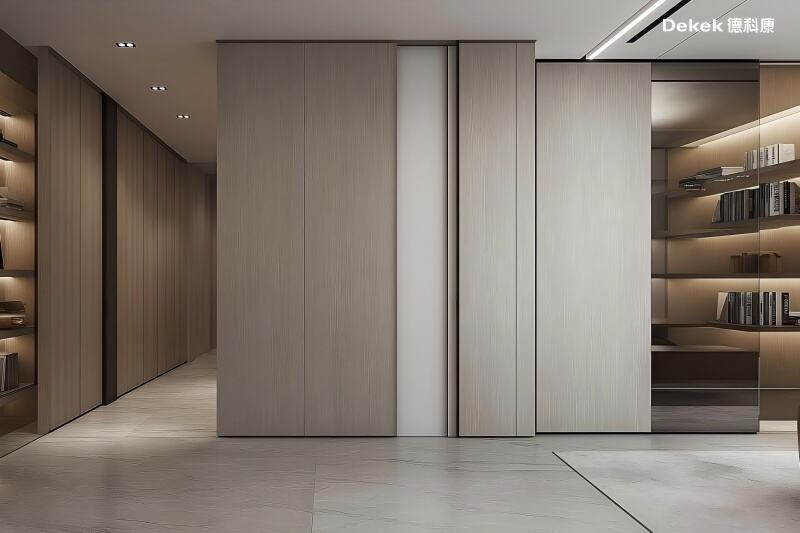
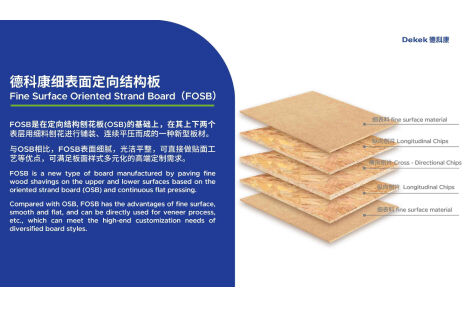
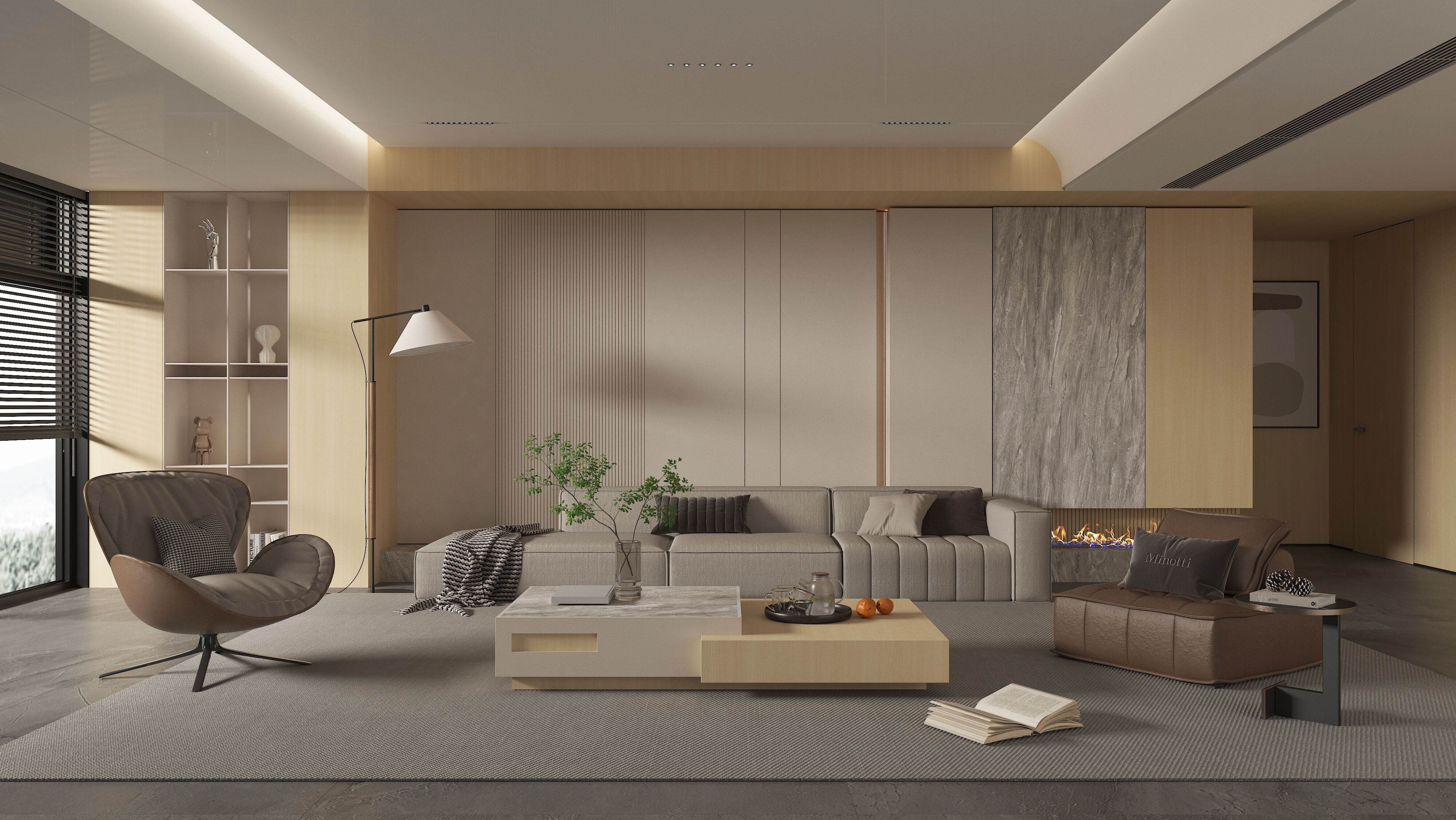
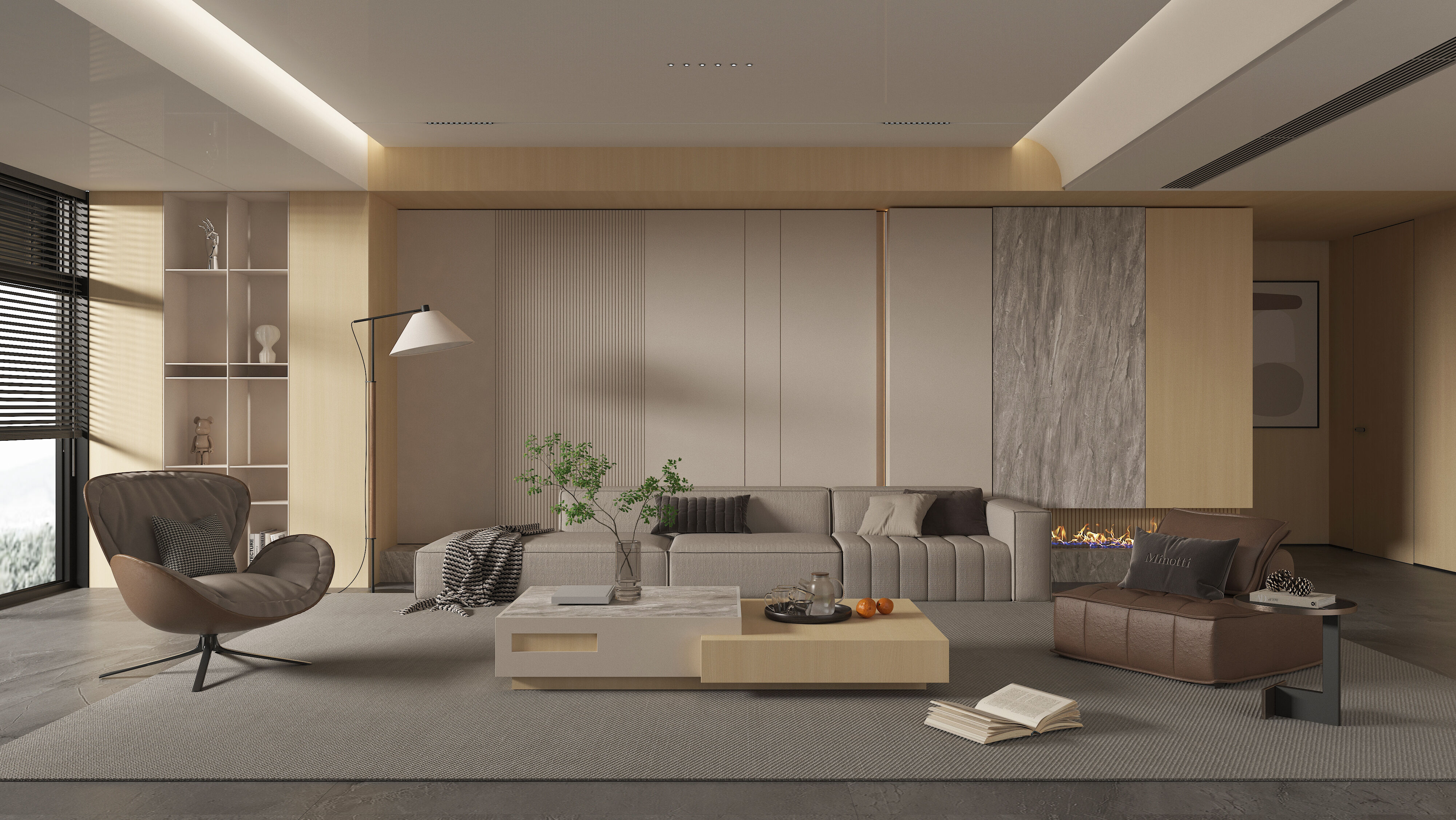
The surface quality of wood panels for highend furniture represents a breakthrough in achieving flawless finishes that rival or exceed solid wood appearance while offering superior consistency and workability. The manufacturing process creates perfectly smooth, defect-free surfaces that provide an ideal foundation for high-end finishing techniques including hand-rubbed oils, lacquers, and specialty stains. Unlike solid wood with its natural variations, knots, and grain irregularities, wood panels for highend furniture deliver uniform surface characteristics that ensure consistent color absorption and finish adhesion across entire pieces. This consistency proves crucial for achieving the mirror-like finishes and deep, rich colors that distinguish luxury furniture from mass-market alternatives. The dense, stable surface of these panels accepts intricate details and precision machining that would be impossible with solid wood, enabling the creation of sophisticated profiles, inlays, and decorative elements that define high-end furniture design. Professional finishers prefer wood panels for highend furniture because they can achieve showroom-quality results with fewer preparation steps and reduced material waste. The absence of natural defects eliminates time-consuming repairs and surface preparation, while the uniform density ensures even sanding and consistent finish penetration. Advanced surface treatments available on premium wood panels include pre-catalyzed finishes, UV-cured coatings, and specialized textures that enhance both appearance and durability. These factory-applied finishes often surpass field-applied alternatives in terms of uniformity, hardness, and longevity while providing resistance to scratches, chemicals, and wear. The superior surface quality extends to edge treatments, where wood panels for highend furniture can be machined to accept solid wood banding that creates seamless integration between panel faces and edges. This capability allows designers to achieve the appearance of solid wood construction while maintaining the performance advantages of engineered materials throughout the furniture structure.

 EN
EN