eucalyptus panel
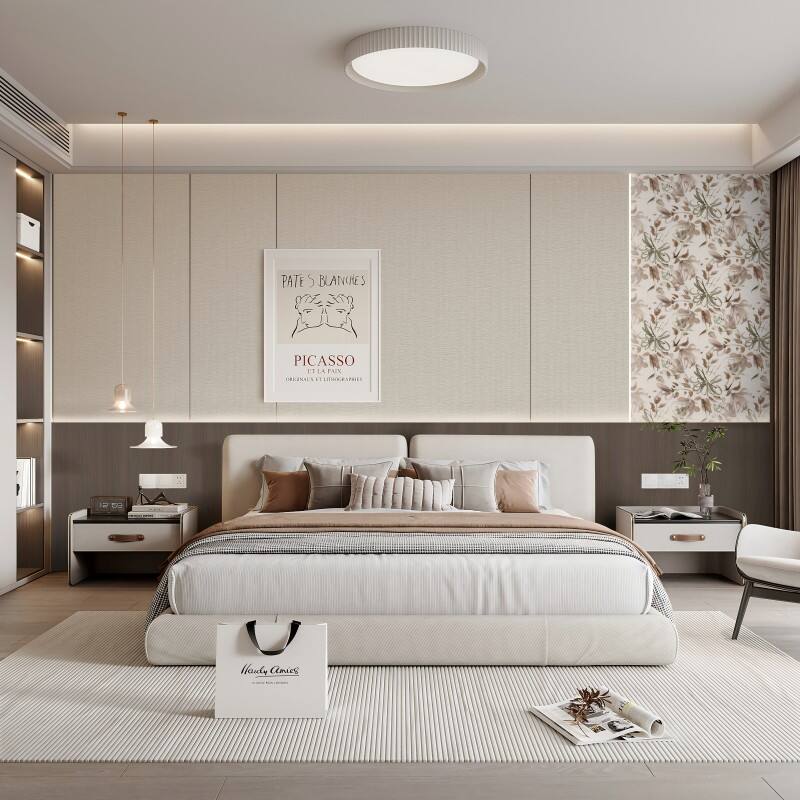
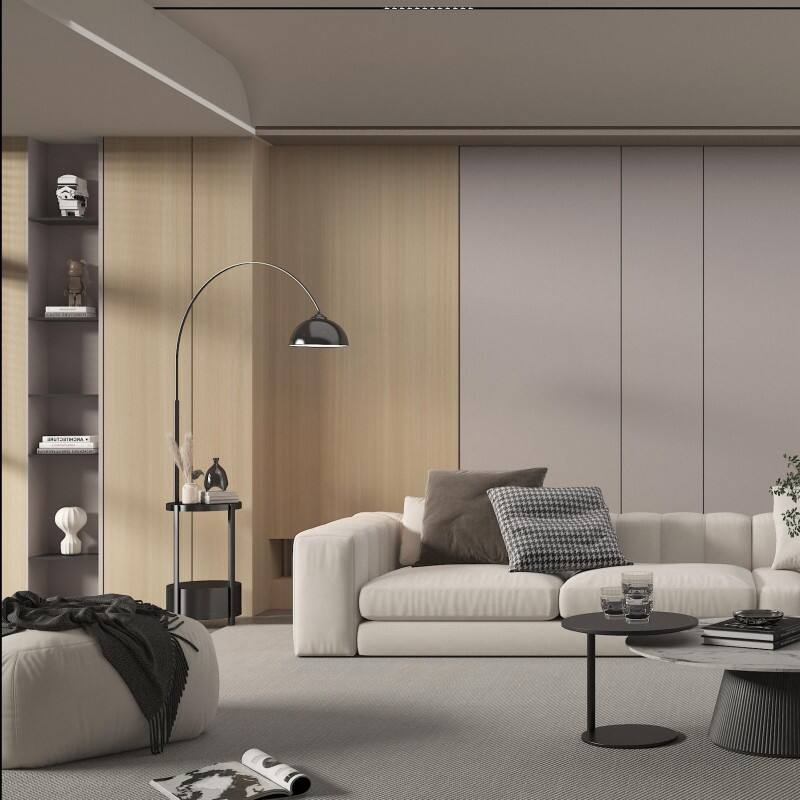
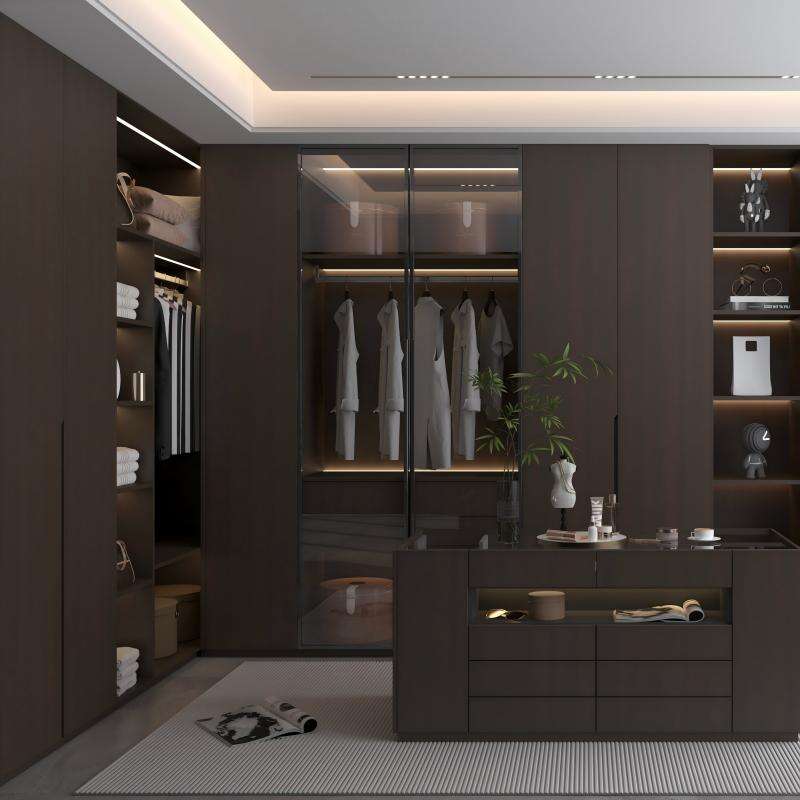
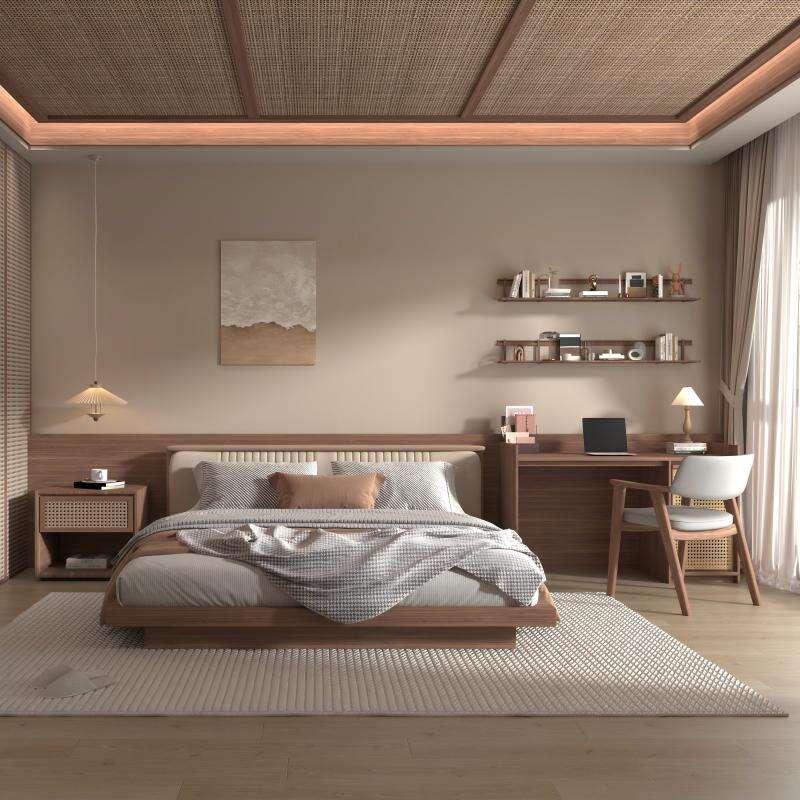
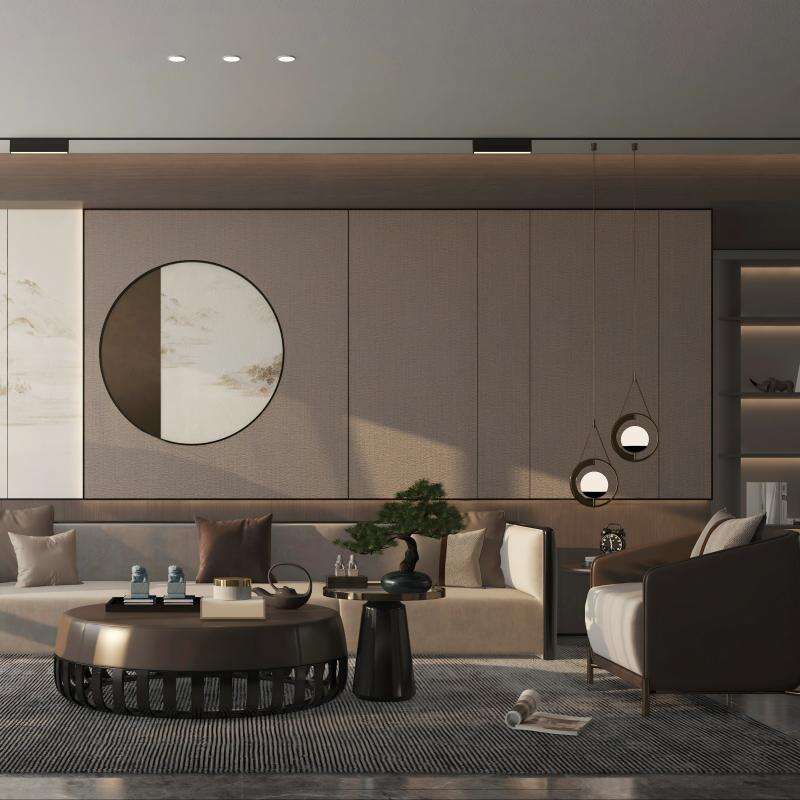
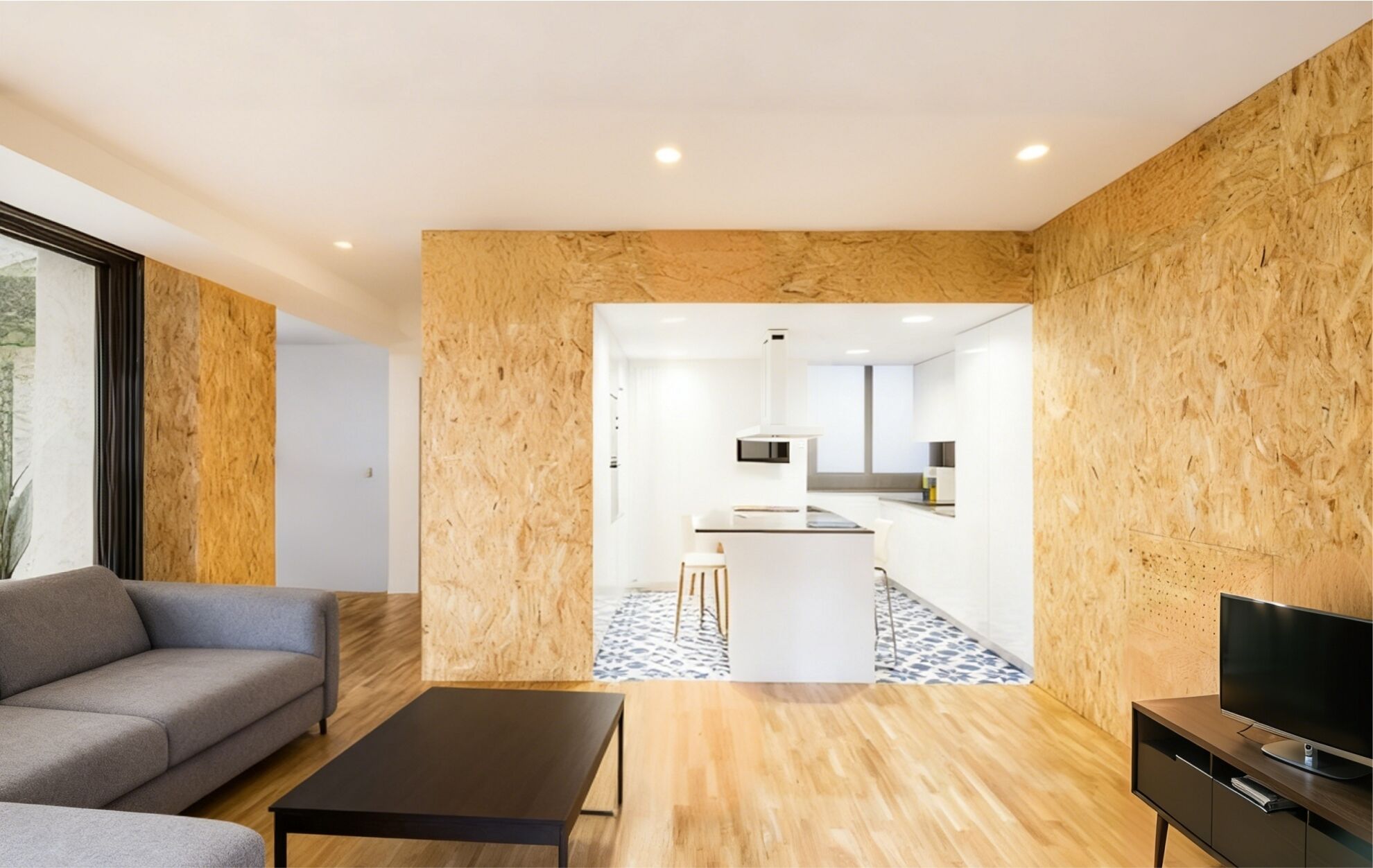
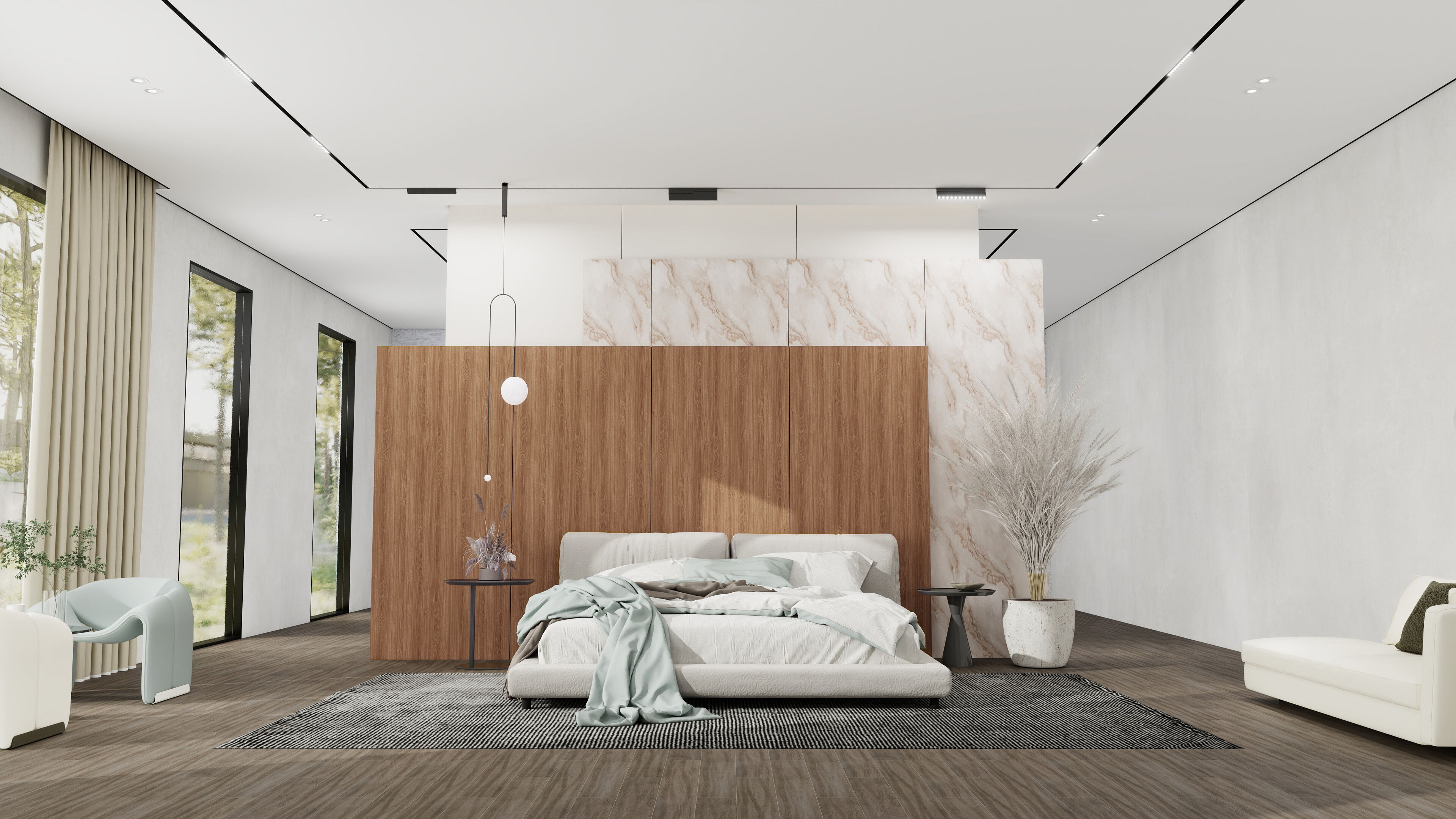
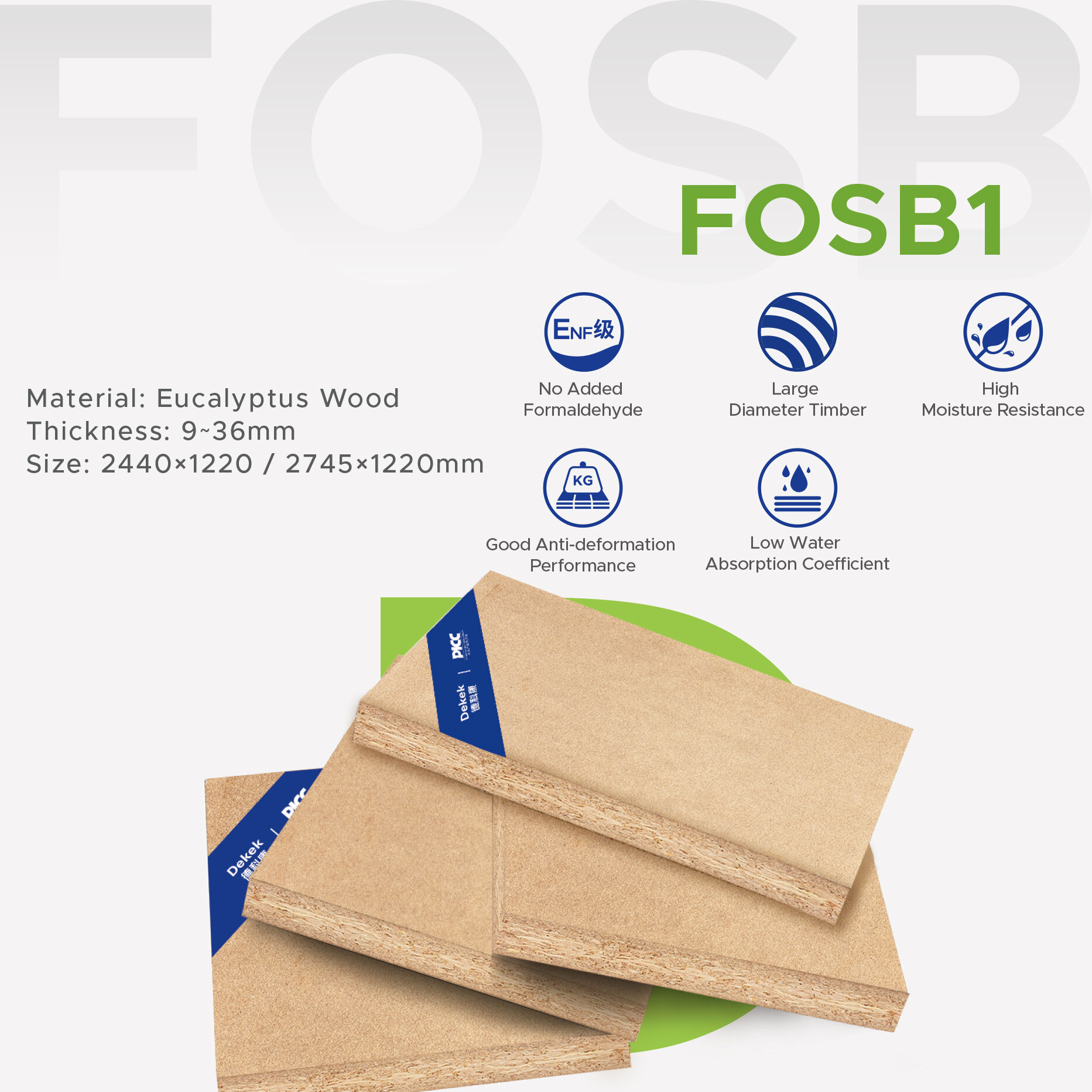
The eucalyptus panel represents a revolutionary advancement in sustainable building materials, combining the natural strength of eucalyptus wood with modern manufacturing techniques. This engineered wood product utilizes fast-growing eucalyptus trees as its primary raw material, creating panels that deliver exceptional performance across residential, commercial, and industrial applications. The eucalyptus panel manufacturing process involves carefully selected eucalyptus fibers that are processed through advanced compression and bonding technologies, resulting in a dense, uniform product with superior structural integrity. These panels feature remarkable dimensional stability, resisting warping, splitting, and moisture-related deformation that commonly affects traditional wood products. The technological innovation behind eucalyptus panel production incorporates precision cutting, surface finishing, and quality control measures that ensure consistent thickness, smooth surfaces, and reliable performance characteristics. Modern eucalyptus panel systems integrate seamlessly with contemporary construction methods, offering builders and contractors a versatile solution for various structural and decorative applications. The panels exhibit excellent screw-holding capacity, making installation straightforward while maintaining long-term connection reliability. Surface treatments available for eucalyptus panel products include protective coatings, decorative laminates, and specialty finishes that enhance both aesthetic appeal and functional performance. Applications for eucalyptus panel extend across furniture manufacturing, cabinetry construction, flooring systems, wall paneling, and specialized architectural elements. The material's natural resistance to pests and decay makes it particularly suitable for environments where traditional wood products might fail. Eucalyptus panel technology continues evolving, with manufacturers developing enhanced formulations that improve fire resistance, acoustic properties, and environmental sustainability while maintaining the cost-effectiveness that makes these panels attractive to diverse market segments.

 EN
EN