Premium Thin Wood Panels for Walls - Durable, Easy Installation & Cost-Effective Wall Solutions

All Categories

Get a Free Quote

Our representative will contact you soon.
Email
WhatsApp
Name
Company Name
Message
0/1000

thin wood panels for walls

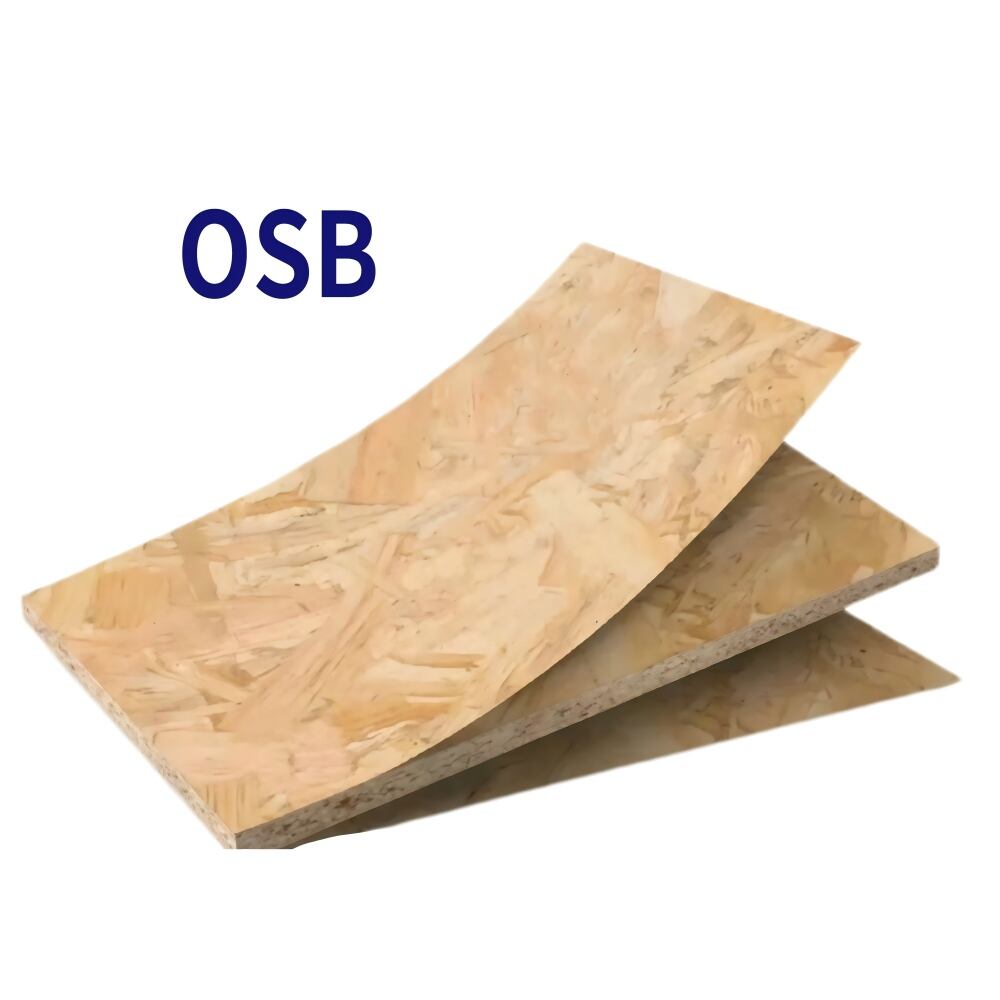
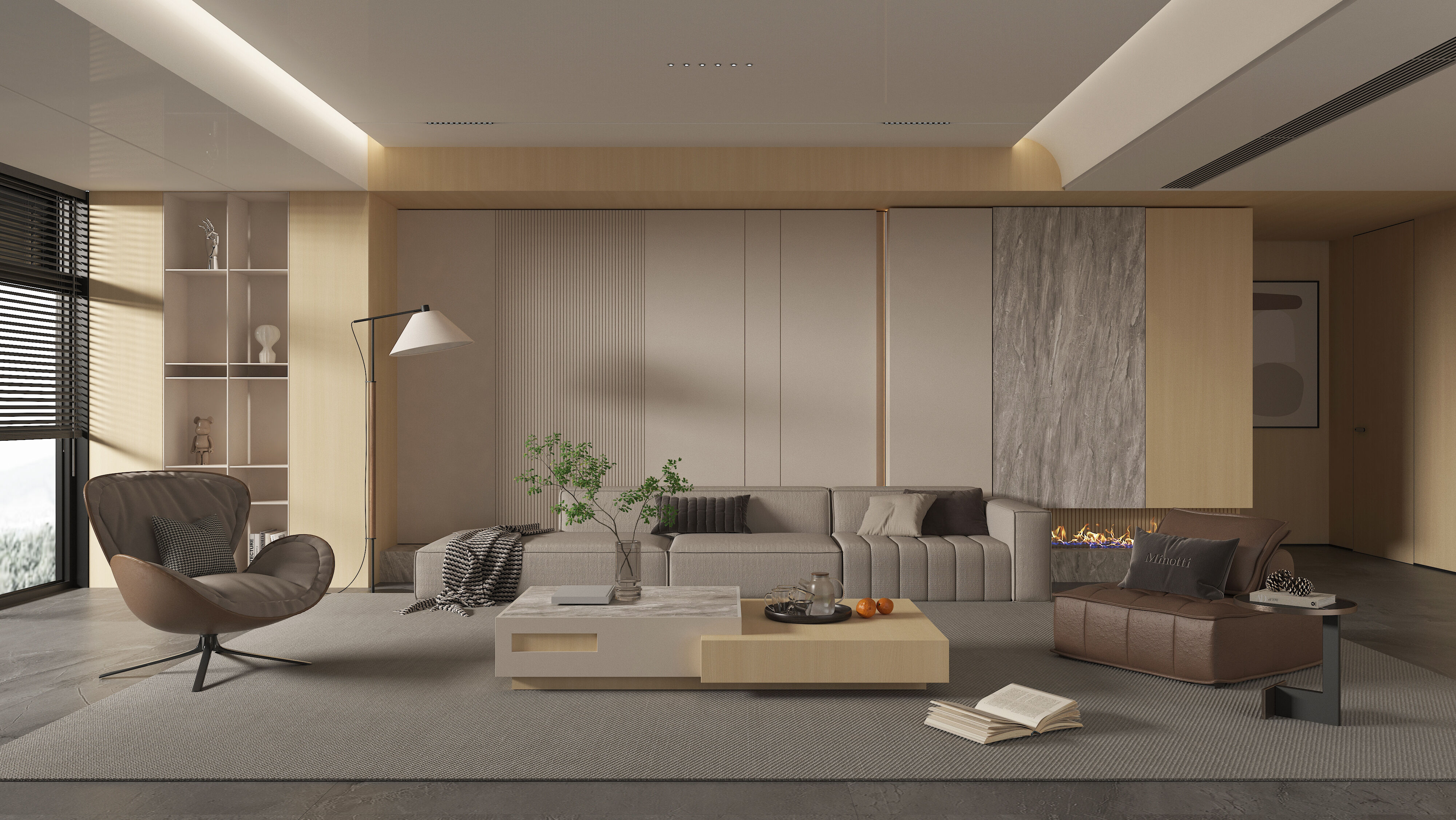
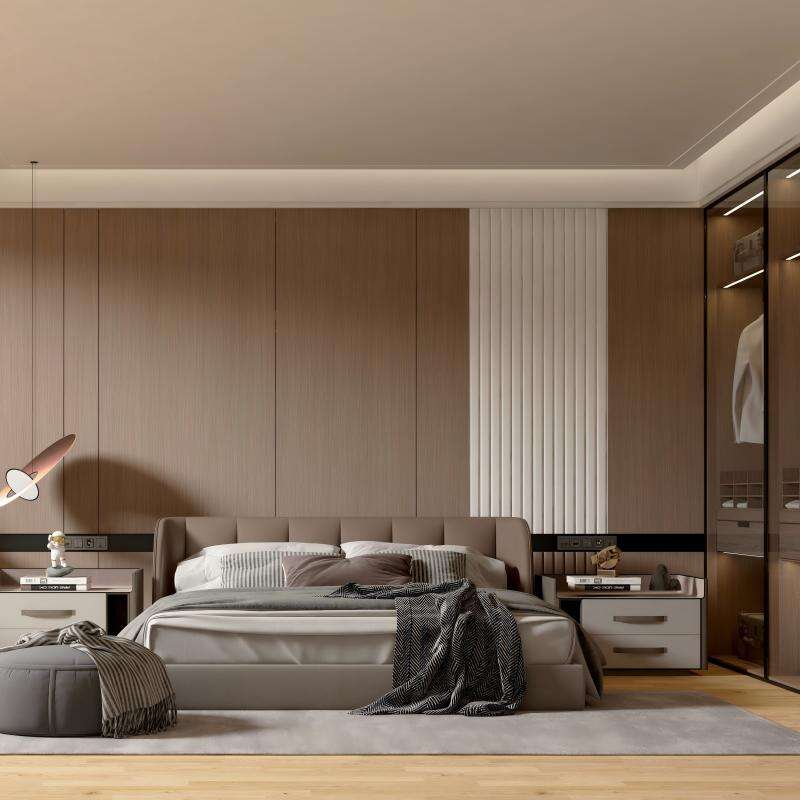
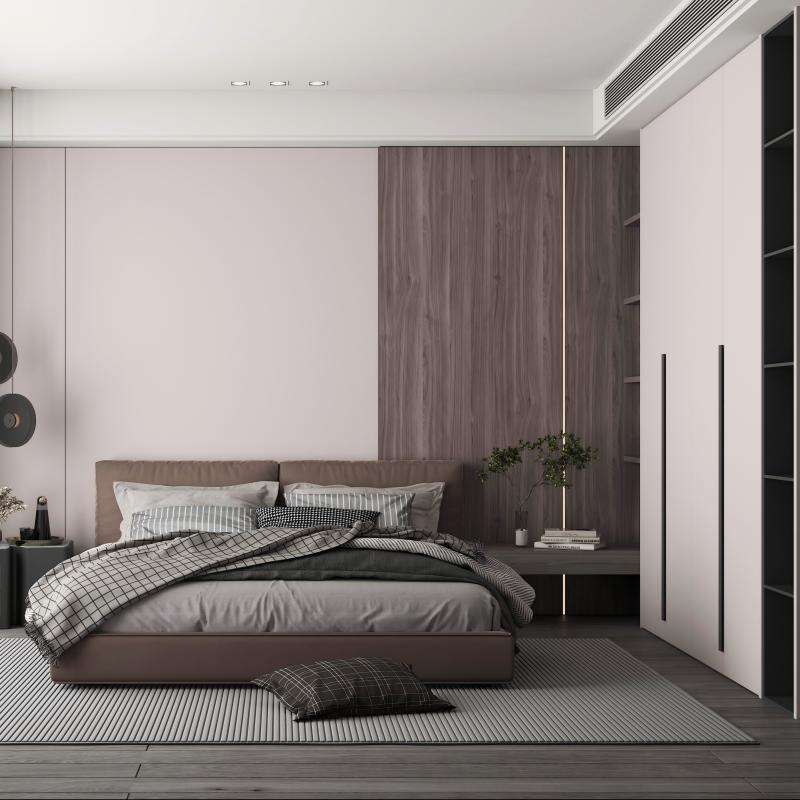
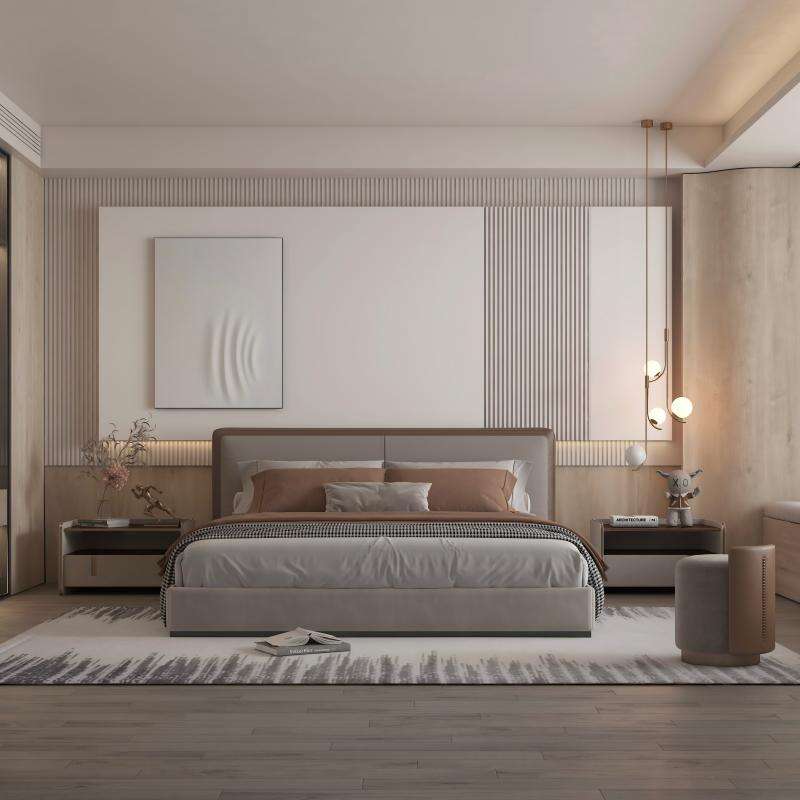
Thin wood panels for walls represent a revolutionary approach to interior design and construction, combining the natural beauty of wood with modern engineering techniques. These panels, typically ranging from 3mm to 15mm in thickness, are manufactured using advanced pressing and bonding technologies that create lightweight yet durable wall covering solutions. The main functions of thin wood panels for walls include providing aesthetic enhancement, structural support, acoustic dampening, and thermal insulation properties that traditional wall materials often lack. These panels serve as both decorative elements and functional building components, offering versatility that appeals to architects, designers, and homeowners alike. The technological features of thin wood panels for walls incorporate multi-layer construction methods, where wood veneers are bonded to engineered substrates using high-performance adhesives. This process ensures dimensional stability while maintaining the authentic grain patterns and textures that make wood so appealing. Advanced surface treatments provide protection against moisture, UV radiation, and daily wear, extending the lifespan of installations significantly. The applications for thin wood panels for walls span residential, commercial, and institutional environments. In homes, these panels create accent walls, room dividers, and complete wall systems that transform living spaces with warmth and sophistication. Commercial applications include retail environments, restaurants, hotels, and office buildings where creating inviting atmospheres is crucial for business success. The panels can be installed using various mounting systems, from traditional nail-and-glue methods to modern clip systems that allow for easy maintenance and replacement. Fire-retardant treatments and sustainable sourcing practices ensure that thin wood panels for walls meet contemporary building codes and environmental standards, making them suitable for projects requiring green building certifications.

Popular Products

The advantages of thin wood panels for walls extend far beyond their visual appeal, offering practical benefits that make them superior choices for modern construction and renovation projects. Installation simplicity stands as a primary advantage, as these panels can be mounted directly over existing wall surfaces without extensive preparation or structural modifications. This characteristic saves both time and money during construction phases, allowing projects to progress efficiently while minimizing disruption to occupied spaces. The lightweight nature of thin wood panels for walls reduces structural load requirements, making them ideal for retrofitting older buildings or creating feature walls in spaces where weight restrictions apply. Maintenance requirements remain minimal throughout the lifespan of thin wood panels for walls, requiring only periodic cleaning with standard household products. Unlike solid wood installations that may require regular refinishing or treatment, these panels maintain their appearance and performance with basic care routines. Cost-effectiveness emerges as another significant advantage, as thin wood panels for walls provide the luxurious appearance of premium wood materials at a fraction of the cost of solid wood alternatives. This economic benefit allows designers and homeowners to achieve high-end aesthetics within reasonable budgets. Environmental sustainability characterizes modern thin wood panels for walls, with many manufacturers utilizing recycled wood fibers and low-emission adhesives in their production processes. These panels often contribute to LEED certification points and other green building standards, supporting environmentally conscious construction practices. Versatility in design applications allows thin wood panels for walls to complement various architectural styles, from contemporary minimalist designs to traditional rustic themes. The panels can be cut, shaped, and finished to accommodate unique design requirements, providing creative flexibility that solid materials cannot match. Acoustic properties of thin wood panels for walls improve interior sound quality by reducing echo and absorbing ambient noise, creating more comfortable living and working environments. Thermal insulation benefits help regulate indoor temperatures, potentially reducing energy consumption for heating and cooling systems. Installation flexibility accommodates both horizontal and vertical orientations, curved surfaces, and irregular wall configurations, expanding design possibilities significantly.

Tips And Tricks

What are the Differences Between Dekek FOSB, MDF, PB, and Plywood?

31

Oct

What are the Differences Between Dekek FOSB, MDF, PB, and Plywood?

View More
Dekek Zero-Formaldehyde-Added FOSB(Fine-Surface OSB) – Dekek Boards Guard Your Safe & Secure Home

20

Oct

Dekek Zero-Formaldehyde-Added FOSB(Fine-Surface OSB) – Dekek Boards Guard Your Safe & Secure Home

View More
What Exactly Are The Difference of OSB, LSB, and FOSB?

07

Nov

What Exactly Are The Difference of OSB, LSB, and FOSB?

View More
How WOOD-BASED PANEL Support Custom Furniture and Interior Projects

18

Nov

How WOOD-BASED PANEL Support Custom Furniture and Interior Projects

View More

Get a Free Quote

Our representative will contact you soon.
Email
WhatsApp
Name
Company Name
Message
0/1000

thin wood panels for walls

Superior Installation Efficiency and Cost Savings

Superior Installation Efficiency and Cost Savings

The installation efficiency of thin wood panels for walls revolutionizes how construction and renovation projects approach wall finishing, delivering substantial cost savings and timeline reductions that benefit both contractors and property owners. Unlike traditional solid wood installations that require extensive surface preparation, specialized tools, and skilled craftsmen, thin wood panels for walls can be installed using standard construction equipment and techniques. This accessibility means that general contractors can handle installations without requiring specialized wood working expertise, reducing labor costs significantly. The panels typically weigh 60-80% less than equivalent solid wood materials, eliminating the need for additional structural reinforcement in most applications. This weight reduction translates directly into lower material costs for support systems and reduced installation time, as workers can handle larger sections more easily and safely. The precision manufacturing of thin wood panels for walls ensures consistent dimensions and quality, minimizing waste during installation and reducing the need for on-site adjustments that commonly occur with natural wood materials. Pre-finished options eliminate the need for on-site sanding, staining, or sealing operations, further streamlining the installation process and reducing potential quality variations. The modular nature of these panels allows for systematic installation approaches that can accommodate multiple work crews simultaneously, accelerating project completion schedules significantly. Error correction becomes more manageable with thin wood panels for walls, as individual panels can be replaced without affecting surrounding installations. This replaceability factor provides long-term maintenance advantages and protects against costly repairs that might otherwise require extensive wall system reconstruction. Quality control measures during manufacturing ensure that each panel meets consistent standards, reducing the likelihood of installation delays due to material defects or dimensional inconsistencies that plague traditional wood installations.
Exceptional Durability and Performance Characteristics

Exceptional Durability and Performance Characteristics

The durability and performance characteristics of thin wood panels for walls surpass traditional wall covering materials through advanced engineering and manufacturing processes that address common failure modes associated with wood products. Modern thin wood panels for walls incorporate moisture-resistant barriers and treatments that prevent warping, cupping, and dimensional changes that typically affect solid wood installations in varying humidity conditions. These protective measures ensure stable performance across diverse climate conditions, making the panels suitable for installation in bathrooms, kitchens, and other high-moisture environments where traditional wood materials would deteriorate rapidly. The multi-layer construction of thin wood panels for walls distributes mechanical stresses more effectively than solid wood, reducing the likelihood of cracking, splitting, or other structural failures under normal use conditions. Surface hardness treatments enhance resistance to scratches, dents, and impact damage, maintaining appearance quality throughout extended service periods. UV-resistant coatings prevent color fading and surface degradation when panels are exposed to direct sunlight, ensuring consistent appearance in spaces with large windows or skylights. Fire-retardant treatments available in many thin wood panels for walls improve building safety by slowing flame spread and reducing smoke generation during fire events, often meeting or exceeding building code requirements for interior finishes. The thermal stability of engineered thin wood panels for walls prevents the expansion and contraction cycles that cause joint opening and surface distortion in solid wood installations. Chemical resistance properties protect against household cleaners, food stains, and other common contaminants that can permanently damage untreated wood surfaces. Long-term performance testing demonstrates that properly installed thin wood panels for walls maintain their structural integrity and appearance quality for decades, providing excellent return on investment compared to materials requiring frequent replacement or refinishing. The standardized manufacturing processes ensure consistent performance characteristics across production batches, eliminating the natural variations that can create weak points in solid wood installations.
Versatile Design Flexibility and Aesthetic Enhancement

Versatile Design Flexibility and Aesthetic Enhancement

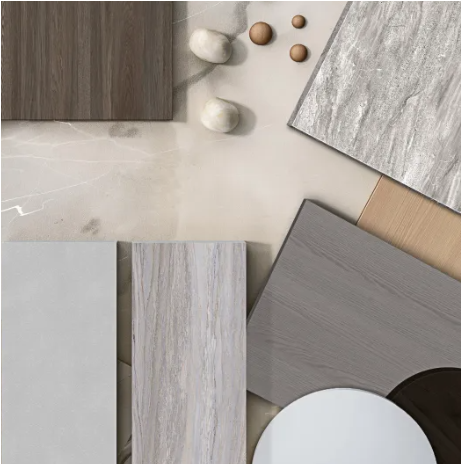
The design flexibility and aesthetic enhancement capabilities of thin wood panels for walls provide architects, designers, and homeowners with unprecedented creative opportunities to transform interior spaces while maintaining practical functionality and budget considerations. The extensive variety of wood species, grain patterns, and finish options available in thin wood panels for walls enables precise matching to existing design elements or creation of striking contrast features that serve as focal points within room compositions. Custom cutting and shaping capabilities allow these panels to accommodate curved walls, angled surfaces, and complex architectural features that would be prohibitively expensive or technically challenging with solid wood materials. The ability to create seamless installations across large wall areas without visible joints produces clean, contemporary appearances that enhance perceived space dimensions and create sophisticated visual impacts. Color matching and staining options for thin wood panels for walls provide consistency across installations while allowing for subtle variations that mimic natural wood characteristics. Mixed species installations become feasible through careful coordination of panel specifications, enabling creative designs that combine different wood types within single wall systems. The lightweight characteristics of thin wood panels for walls support creative mounting approaches, including floating panel systems and suspended installations that create dramatic shadow effects and visual depth. Texture variations available through different manufacturing processes range from smooth, contemporary finishes to rustic, distressed appearances that complement various interior design themes. Integration capabilities with other building materials allow thin wood panels for walls to transition seamlessly into stone, metal, or painted surfaces, creating cohesive design schemes that incorporate multiple material types. Modular sizing options accommodate both large-scale commercial installations and residential accent applications, providing scalability that traditional materials cannot match. The consistent quality and appearance of manufactured thin wood panels for walls eliminate the natural defects and color variations that can compromise design integrity in solid wood installations, ensuring predictable aesthetic outcomes that meet design specifications precisely.

Get a Free Quote

Our representative will contact you soon.
Email
WhatsApp
Name
Company Name
Message
0/1000