Premium MDF Supplier - Quality Engineered Wood Panels & Custom Solutions

All Categories

Get a Free Quote

Our representative will contact you soon.
Email
WhatsApp
Name
Company Name
Message
0/1000

mdf supplier

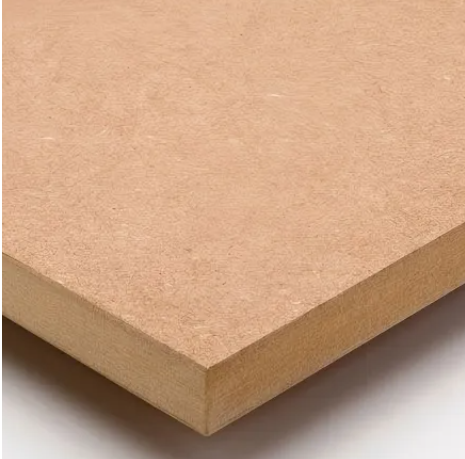
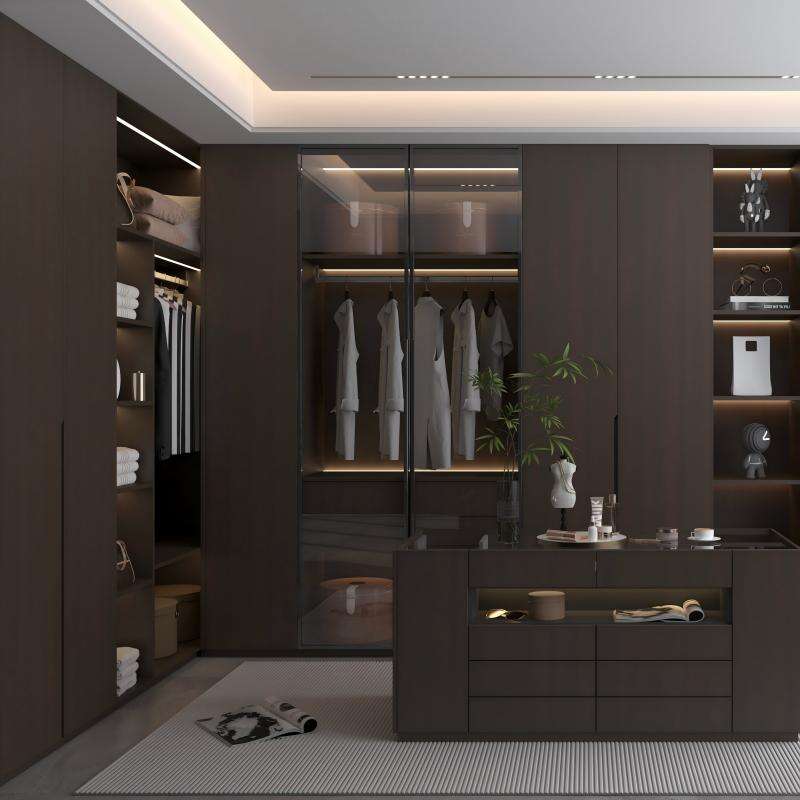
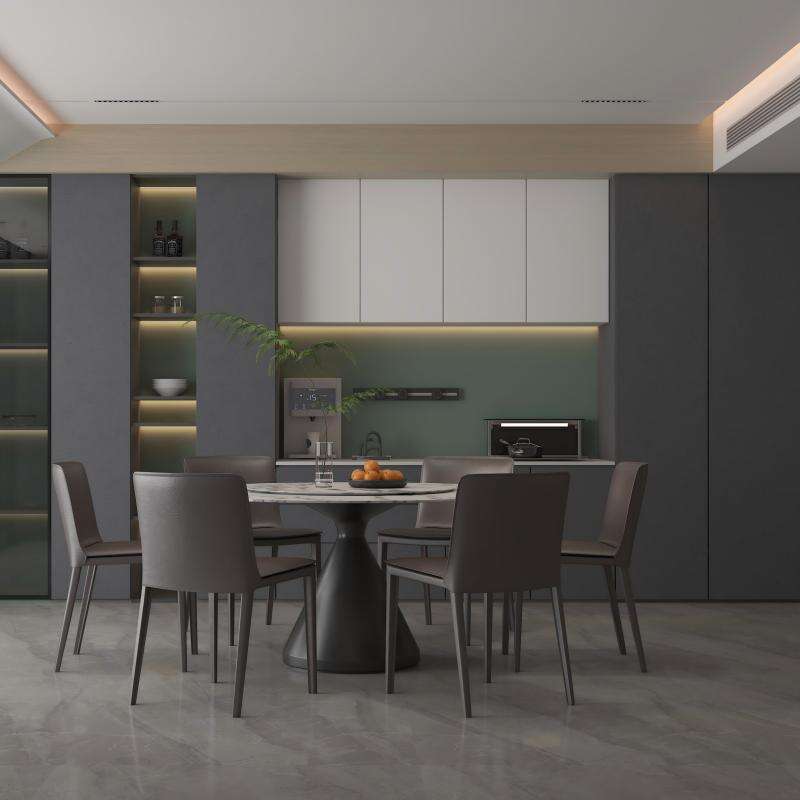
An MDF supplier serves as a crucial partner in the wood manufacturing and construction industries, providing medium-density fiberboard products to diverse commercial sectors. These specialized companies manufacture engineered wood products by combining wood fibers with resin and wax under high temperature and pressure conditions. The primary function of an MDF supplier involves producing consistent, high-quality boards that meet specific industry standards and customer requirements. Modern MDF suppliers utilize advanced manufacturing technologies including continuous pressing systems, precision cutting equipment, and automated quality control mechanisms to ensure product uniformity. Their technological capabilities encompass moisture-resistant treatments, fire-retardant applications, and specialized surface preparations that enhance product performance. The manufacturing process involves breaking down hardwood and softwood residuals into wood fibers, which are then combined with synthetic resin binders and formed into panels under controlled conditions. MDF suppliers typically offer various thickness options ranging from 2mm to 60mm, catering to different application needs. These products find extensive use in furniture manufacturing, cabinet construction, architectural millwork, and interior design projects. The smooth, uniform surface of MDF makes it ideal for painting, laminating, and veneering applications. Contemporary MDF suppliers also focus on environmental sustainability by utilizing recycled wood materials and implementing eco-friendly production processes. They maintain strict quality assurance protocols including moisture content testing, density measurements, and dimensional stability assessments. Many suppliers provide custom cutting services, edge banding, and specialized finishing options to meet specific project requirements. The distribution network of established MDF suppliers typically includes regional warehouses, direct delivery services, and technical support teams that assist customers with product selection and application guidance.

New Product Recommendations

Working with a professional MDF supplier offers numerous practical benefits that directly impact project success and cost efficiency. First, established suppliers maintain consistent inventory levels, ensuring reliable product availability when you need materials for time-sensitive projects. This reliability eliminates costly delays and helps maintain construction schedules. Quality assurance represents another significant advantage, as reputable MDF suppliers implement rigorous testing procedures that guarantee consistent product specifications. Every board meets predetermined standards for density, moisture content, and dimensional stability, reducing the risk of material failures during installation or use. Cost effectiveness emerges through bulk purchasing power and competitive pricing structures that suppliers negotiate with manufacturers. Customers benefit from these economies of scale without needing to purchase massive quantities themselves. Technical expertise provided by knowledgeable MDF suppliers proves invaluable when selecting appropriate grades and specifications for specific applications. Their experienced staff can recommend optimal products based on environmental conditions, load requirements, and finishing preferences. Customization services offered by many suppliers include precision cutting, edge treatments, and special sizing that saves time and labor costs on job sites. This value-added processing reduces waste and improves installation efficiency. Logistics support streamlines material handling through scheduled deliveries, proper packaging, and specialized transportation equipment designed for panel products. Environmental benefits come from working with suppliers who prioritize sustainable sourcing and manufacturing practices, helping customers meet green building requirements and corporate sustainability goals. Many suppliers maintain certifications from recognized environmental organizations, providing documentation needed for LEED credits and similar programs. Ongoing support throughout the project lifecycle includes technical consultation, troubleshooting assistance, and warranty coverage that protects against material defects. Established relationships with reliable MDF suppliers often lead to preferred pricing, priority service, and early access to new product innovations. These long-term partnerships create mutual benefits and improve overall project outcomes through enhanced communication and understanding of specific customer needs.

Tips And Tricks

MDI Adhesive vs. Urea-Formaldehyde Adhesive: Choosing Healthy Materials for Your Home

07

Nov

MDI Adhesive vs. Urea-Formaldehyde Adhesive: Choosing Healthy Materials for Your Home

View More
How Do Decorative Boards Compare to Traditional Wood Panels?

24

Oct

How Do Decorative Boards Compare to Traditional Wood Panels?

View More
Dekek Special Decorative Panel for High-End Customization - High Performance and& High Aesthetic Appeal

21

Oct

Dekek Special Decorative Panel for High-End Customization - High Performance and& High Aesthetic Appeal

View More
How is Dekek to make sure the Anti-deformation Performance in Panels

29

Oct

How is Dekek to make sure the Anti-deformation Performance in Panels

View More

Get a Free Quote

Our representative will contact you soon.
Email
WhatsApp
Name
Company Name
Message
0/1000

mdf supplier

Advanced Manufacturing Technology and Quality Control

Advanced Manufacturing Technology and Quality Control

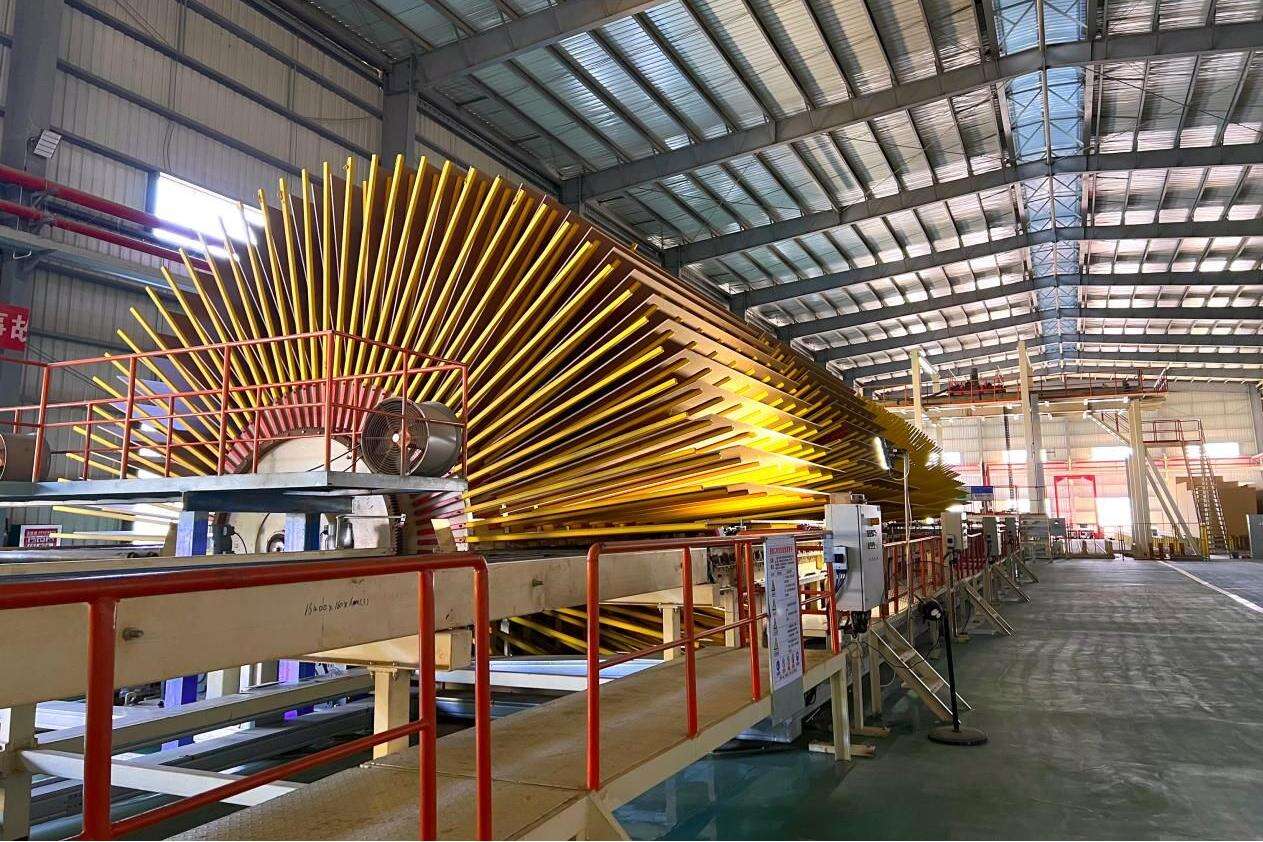
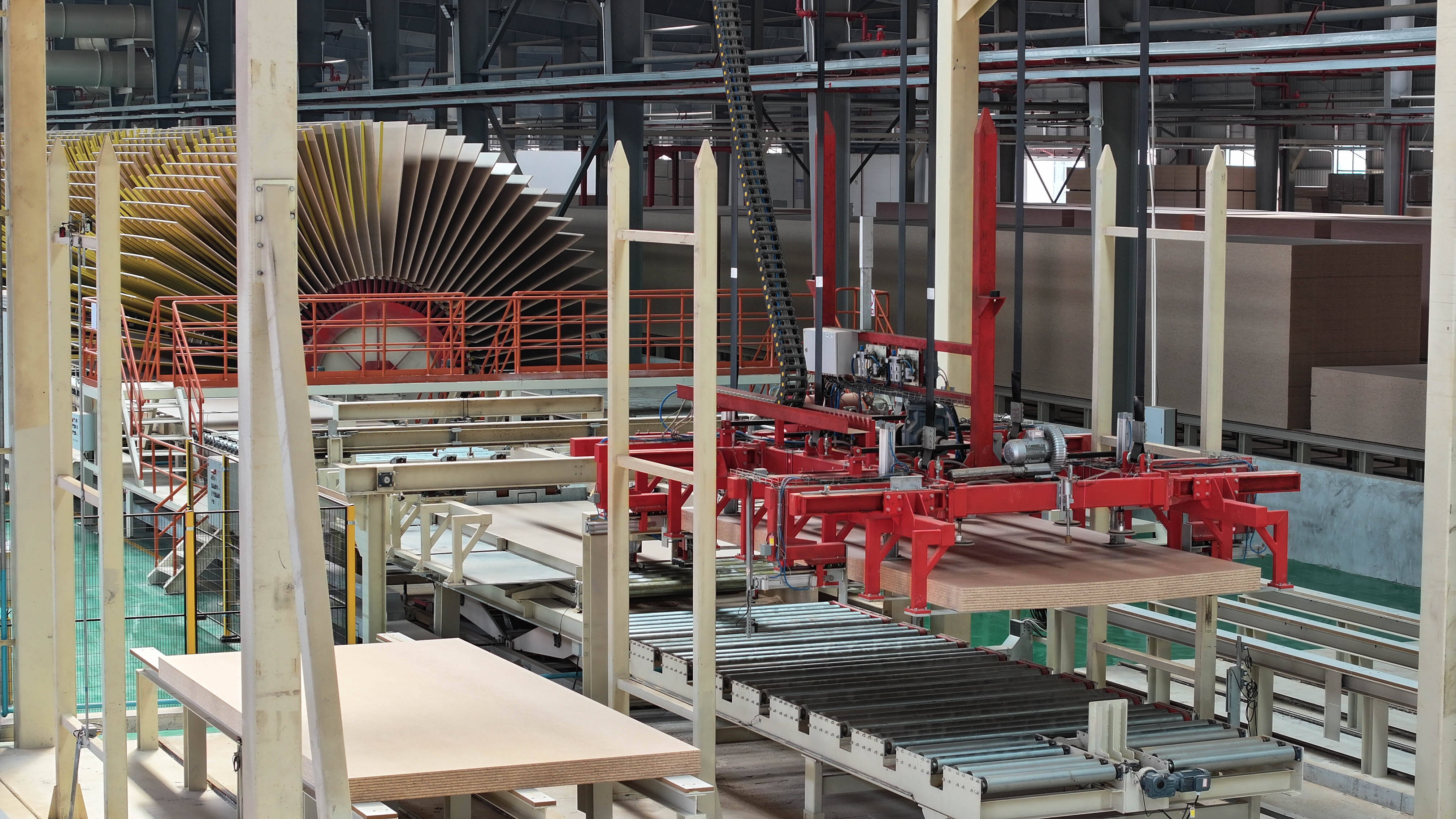
Modern MDF suppliers leverage cutting-edge manufacturing technology that transforms raw wood materials into consistently high-quality engineered panels through sophisticated production processes. The technological foundation begins with advanced fiber preparation systems that break down wood chips into uniform fibers using specialized refiners and defibrators. These machines operate under precisely controlled conditions to achieve optimal fiber characteristics that directly impact the final product quality. State-of-the-art resin application systems ensure even distribution of binding agents throughout the fiber mat, creating strong, durable bonds that maintain structural integrity over time. Continuous pressing technology represents a significant advancement in MDF production, allowing suppliers to maintain consistent density profiles and eliminate the variations common in batch processing methods. These systems operate at carefully monitored temperatures and pressures that activate the resin systems while preserving the natural properties of wood fibers. Automated quality control systems integrated throughout the production line continuously monitor critical parameters including moisture content, density distribution, and dimensional accuracy. Real-time data collection enables immediate adjustments to maintain product specifications and identify potential issues before they affect finished goods. Advanced calibration equipment ensures precise thickness control across the entire panel width, eliminating the dimensional variations that can complicate installation and finishing processes. Surface quality enhancements through specialized sanding and texturing equipment create smooth, uniform surfaces ideal for various finishing applications. Environmental control systems maintain optimal manufacturing conditions while minimizing emissions and waste generation, supporting sustainable production practices. Digital tracking systems provide complete traceability from raw material receipt through final product shipment, enabling rapid response to quality concerns and facilitating continuous improvement initiatives. These technological investments by leading MDF suppliers result in superior products that meet demanding performance requirements while providing consistent value to customers across diverse applications.
Comprehensive Product Range and Customization Capabilities

Comprehensive Product Range and Customization Capabilities

Leading MDF suppliers distinguish themselves through extensive product portfolios that address virtually every application requirement in construction, furniture manufacturing, and specialty projects. Standard product offerings typically include multiple density grades ranging from lightweight options suitable for non-structural applications to high-density boards capable of supporting significant loads in demanding environments. Thickness variations span from ultra-thin 2mm sheets used in specialty applications to heavy-duty 60mm panels designed for structural components. Surface preparation options include smooth-sanded finishes ready for painting or laminating, textured surfaces that enhance adhesion properties, and pre-primed boards that streamline finishing processes. Moisture-resistant formulations incorporate specialized resin systems and additives that enable use in high-humidity environments without compromising structural integrity or dimensional stability. Fire-retardant varieties meet strict building code requirements for commercial and institutional applications, providing essential safety features without sacrificing workability or finishing characteristics. Specialty grades include lightweight cores for weight-sensitive applications, ultra-smooth surfaces for high-end furniture production, and engineered formulations designed for specific industrial uses. Custom cutting services transform standard panels into project-ready components, eliminating job-site waste and reducing labor requirements. Precision cutting capabilities include straight cuts, curved profiles, and complex shapes produced with computer-controlled equipment that ensures dimensional accuracy and clean edges. Edge banding services apply various materials including PVC, wood veneer, and melamine strips to create finished edges that eliminate the need for additional processing. Special sizing options accommodate unique project requirements that standard dimensions cannot fulfill, enabling innovative design solutions and improved material utilization. Value-added processing services such as drilling, routing, and surface texturing provide fully prepared components ready for immediate installation. This comprehensive approach to product variety and customization enables MDF suppliers to serve as true partners in project success rather than simply material vendors.
Sustainable Practices and Environmental Responsibility

Sustainable Practices and Environmental Responsibility

Progressive MDF suppliers prioritize environmental stewardship through comprehensive sustainability programs that address every aspect of production, sourcing, and distribution while delivering superior products to environmentally conscious customers. Responsible raw material sourcing begins with partnerships with certified forest management organizations that ensure wood materials come from sustainably managed forests where harvesting practices maintain ecological balance and support forest regeneration. Many suppliers achieve certifications from recognized organizations such as the Forest Stewardship Council (FSC) and the Programme for the Endorsement of Forest Certification (PEFC), providing customers with documented proof of responsible sourcing practices. Recycled content initiatives incorporate post-consumer wood waste, sawmill residuals, and other recovered wood materials into production processes, reducing demand for virgin timber while diverting waste from landfills. Advanced manufacturing processes minimize environmental impact through energy-efficient equipment, closed-loop water systems, and waste reduction programs that maximize material utilization rates. Emission control systems capture and treat volatile organic compounds and particulate matter, ensuring compliance with stringent environmental regulations while protecting local air quality. Renewable energy integration includes solar installations, biomass boilers utilizing production waste, and energy recovery systems that reduce dependence on fossil fuels. Waste stream management programs convert sawdust, trim waste, and other byproducts into valuable secondary products including particleboard, biomass fuel, and soil amendments. Transportation optimization reduces carbon footprint through efficient routing, load optimization, and partnerships with carriers committed to environmental responsibility. Product lifecycle considerations include formaldehyde-free adhesive systems, low-emission formulations, and recyclable packaging materials that support green building initiatives and LEED certification requirements. Carbon footprint reduction efforts encompass supply chain optimization, energy efficiency improvements, and carbon offset programs that neutralize unavoidable emissions. These comprehensive environmental programs demonstrate that leading MDF suppliers can deliver high-performance products while maintaining strong commitments to environmental protection and sustainable business practices that benefit customers, communities, and future generations.

Get a Free Quote

Our representative will contact you soon.
Email
WhatsApp
Name
Company Name
Message
0/1000