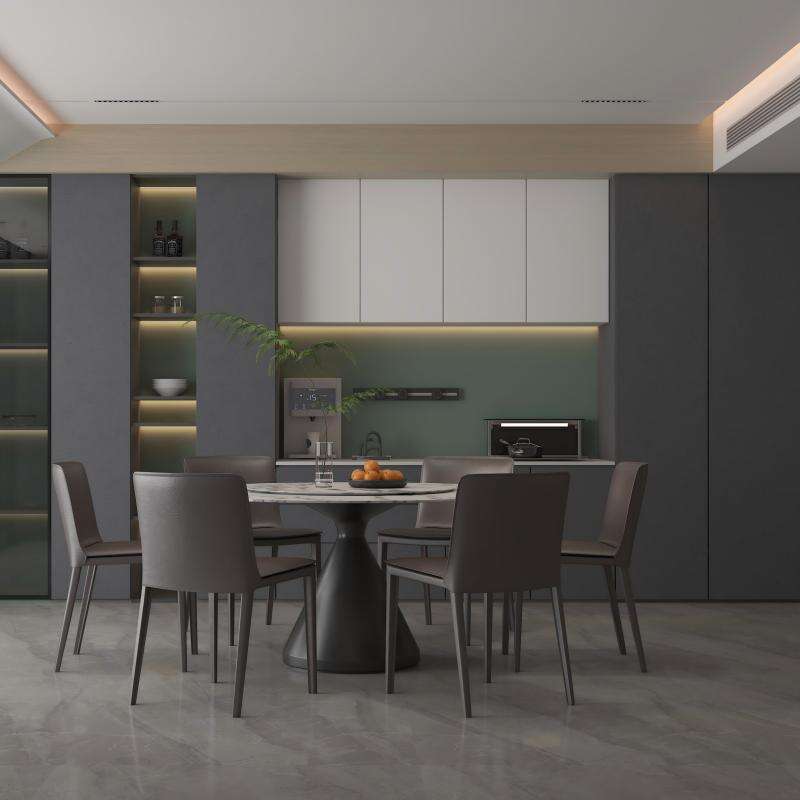
Premium High Quality MDF Boards - Superior Dimensional Stability & Finishing Excellence

All Categories

Get a Free Quote

Our representative will contact you soon.
Email
WhatsApp
Name
Company Name
Message
0/1000

high quality mdf

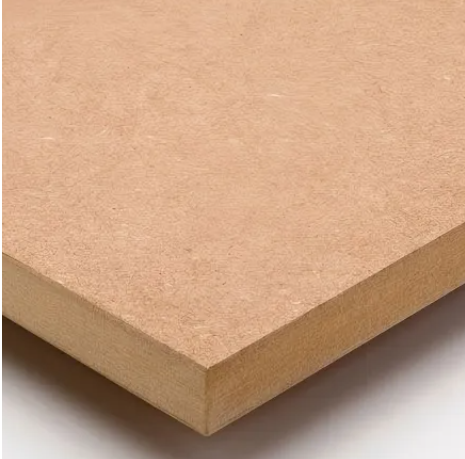
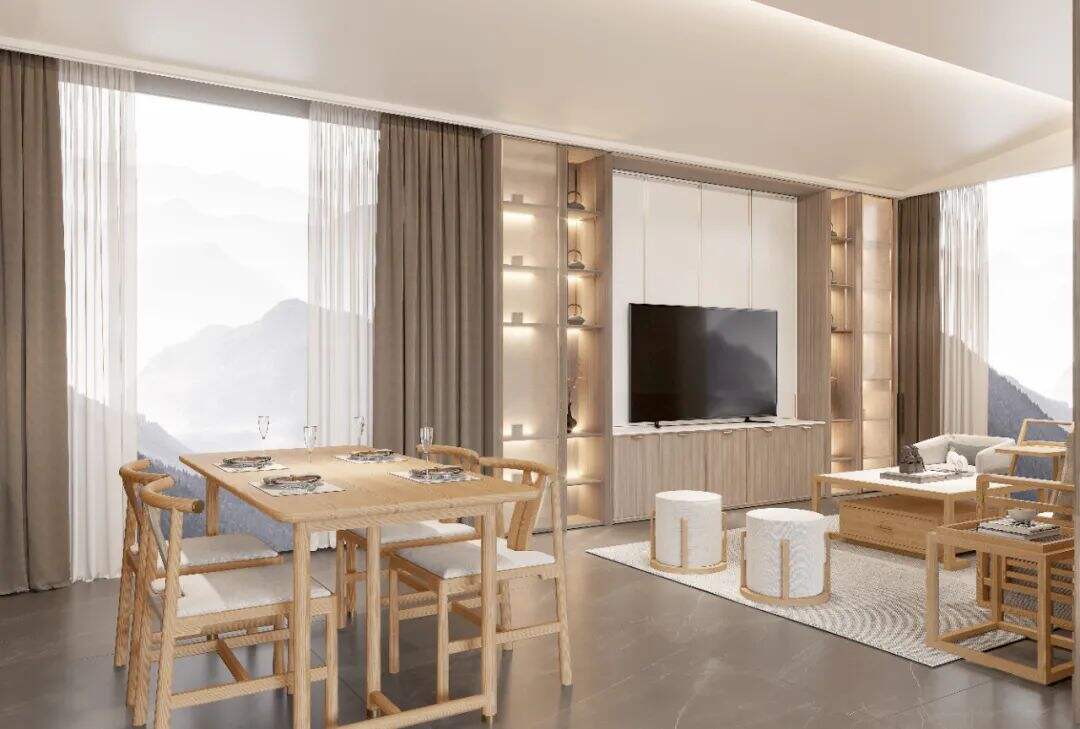
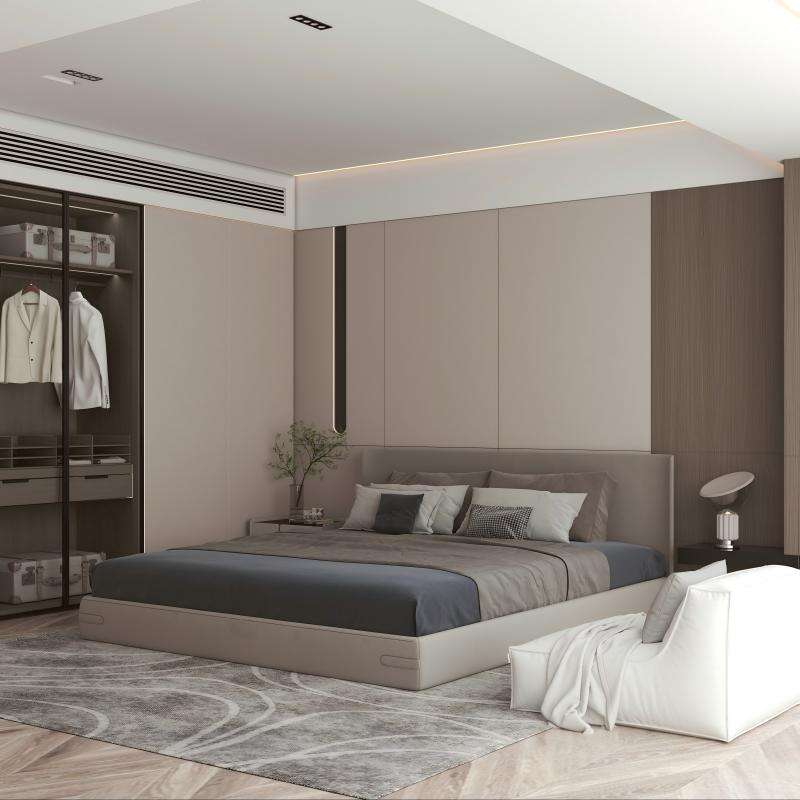
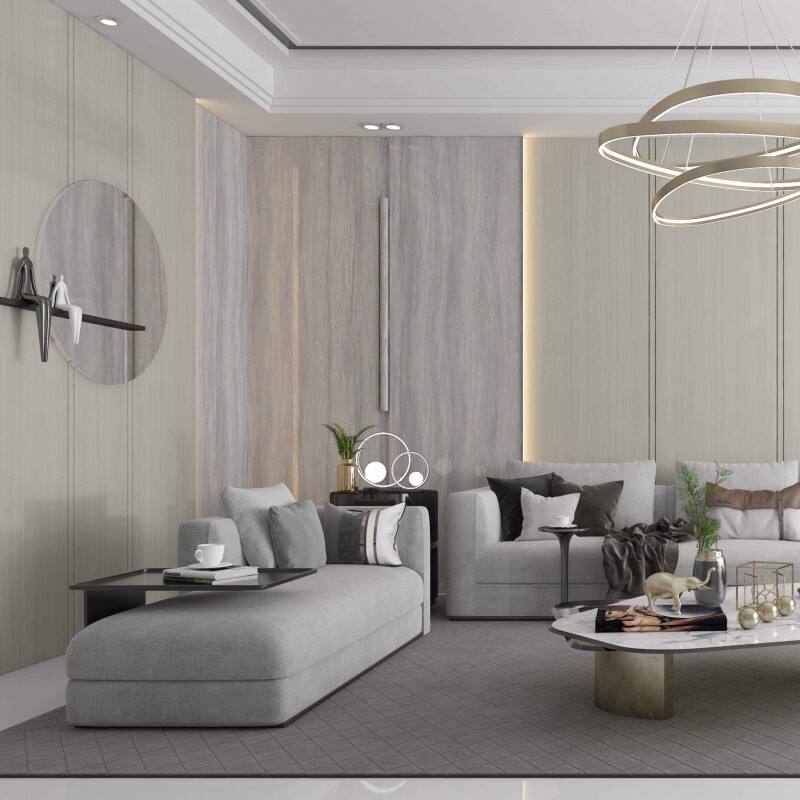
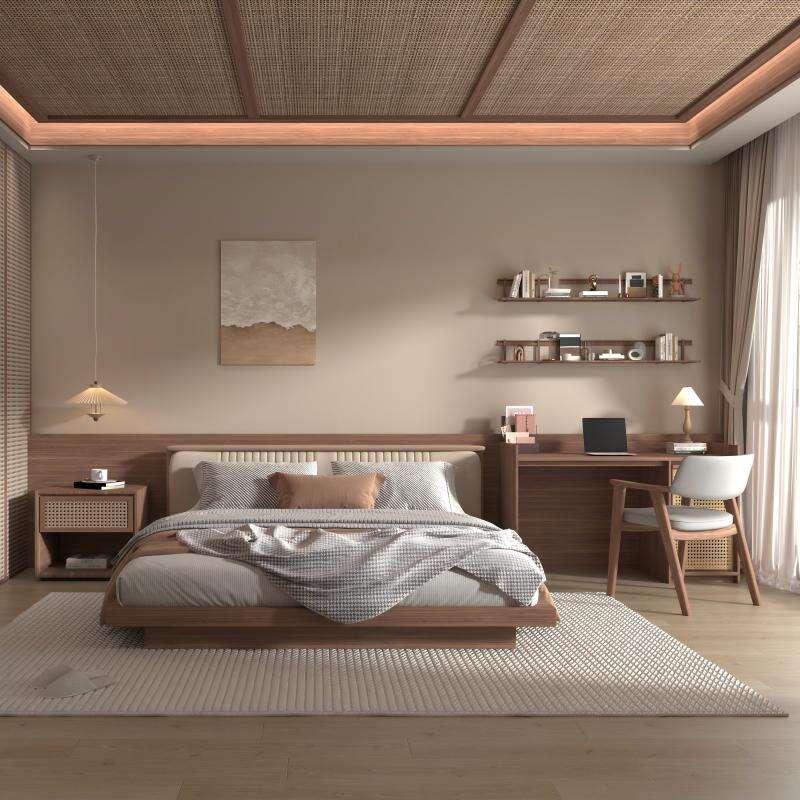
High quality MDF represents a revolutionary advancement in engineered wood products, combining superior manufacturing processes with premium raw materials to deliver exceptional performance across diverse applications. This medium-density fiberboard utilizes refined wood fibers that undergo precise processing techniques, resulting in a uniform, dense material that exceeds standard MDF specifications in every measurable aspect. The production process involves breaking down hardwood and softwood residuals into wood fibers, which are then combined with wax and resin binders under controlled temperature and pressure conditions. High quality MDF demonstrates remarkable consistency in density distribution, typically ranging from 600 to 800 kg/m³, ensuring reliable structural integrity throughout the entire board thickness. The technological features of high quality MDF include enhanced moisture resistance achieved through advanced resin formulations and specialized additives that create superior dimensional stability. Surface smoothness represents another critical characteristic, with precision manufacturing eliminating the fiber patterns and irregularities common in standard grades. This premium material exhibits excellent machinability, allowing for clean cuts, precise drilling, and smooth edge finishing without chipping or splintering. The uniform density distribution enables consistent screw holding power and reduces the likelihood of fastener failure. Applications for high quality MDF span multiple industries, from furniture manufacturing and cabinetry to architectural millwork and decorative panels. Interior designers frequently specify this material for custom built-ins, shelving systems, and decorative wall treatments due to its ability to accept various finishes flawlessly. The construction industry utilizes high quality MDF for door cores, window components, and trim applications where dimensional stability and surface quality are paramount. Manufacturers appreciate the material's compatibility with modern finishing techniques, including laminating, veneering, and direct printing processes that require perfectly smooth substrates.
New Products

High quality MDF delivers substantial benefits that translate directly into cost savings and improved project outcomes for manufacturers, contractors, and end users. The superior dimensional stability prevents warping, twisting, and seasonal movement that commonly affects solid wood and lower-grade engineered products, eliminating costly callbacks and warranty claims. This stability stems from the uniform fiber distribution and advanced bonding systems that maintain structural integrity across varying humidity and temperature conditions. Manufacturing efficiency increases significantly when working with high quality MDF due to its consistent machining characteristics and predictable behavior during processing operations. Cutting tools maintain their sharpness longer, reducing blade replacement costs and minimizing production downtime. The material machines cleanly without tear-out or chipping, eliminating the need for additional sanding or edge treatment that adds labor costs and extends production schedules. Surface preparation requirements are minimal since high quality MDF provides an inherently smooth, ready-to-finish substrate that accepts paints, stains, and laminates uniformly without telegraphing underlying grain patterns or density variations. Installation becomes more straightforward due to the material's consistent weight distribution and predictable expansion characteristics, allowing contractors to work more efficiently with fewer adjustments and modifications. The enhanced screw holding capacity reduces fastener failure and joint separation, contributing to longer-lasting assemblies and reduced maintenance requirements. Transportation and storage benefits include reduced breakage rates during handling and lower moisture absorption that prevents edge swelling and delamination in warehouse environments. Project scheduling becomes more reliable since high quality MDF maintains its specifications regardless of seasonal variations, eliminating delays caused by material movement or quality inconsistencies. The material's compatibility with automated manufacturing equipment increases production throughput while maintaining consistent quality standards. Finishing operations require fewer coats due to the smooth, non-porous surface that provides excellent coverage and adhesion for all types of coatings. Quality control processes are simplified since high quality MDF exhibits uniform properties throughout each sheet, reducing inspection time and rejection rates.

Tips And Tricks

What are the Differences Between Dekek FOSB, MDF, PB, and Plywood?

31

Oct

What are the Differences Between Dekek FOSB, MDF, PB, and Plywood?

View More
MDI Adhesive vs. Urea-Formaldehyde Adhesive: Choosing Healthy Materials for Your Home

07

Nov

MDI Adhesive vs. Urea-Formaldehyde Adhesive: Choosing Healthy Materials for Your Home

View More
Why Oriented Strand Board Is Popular in Construction Projects

21

Oct

Why Oriented Strand Board Is Popular in Construction Projects

View More
What Innovative Wall Panel Styles Are Trending in 2025?

24

Nov

What Innovative Wall Panel Styles Are Trending in 2025?

View More

Get a Free Quote

Our representative will contact you soon.
Email
WhatsApp
Name
Company Name
Message
0/1000

high quality mdf

Superior Dimensional Stability and Moisture Resistance

Superior Dimensional Stability and Moisture Resistance

The exceptional dimensional stability of high quality MDF represents a fundamental advantage that addresses one of the most significant challenges in wood product applications. This stability results from sophisticated manufacturing processes that create uniform density distribution and advanced resin systems specifically formulated to resist moisture absorption and dimensional changes. Unlike traditional wood products that expand and contract with seasonal humidity fluctuations, high quality MDF maintains its precise dimensions across varying environmental conditions, making it ideal for applications where tight tolerances are critical. The moisture resistance capabilities extend beyond surface treatments to include the core material itself, where specialized additives and resin formulations create a barrier against humidity infiltration. This intrinsic moisture protection prevents the edge swelling and delamination commonly experienced with standard MDF grades when exposed to bathroom, kitchen, or basement environments. Manufacturing facilities benefit from this stability during production processes, as consistent material dimensions ensure proper fit and alignment in assembly operations without requiring constant adjustments for seasonal movement. The predictable behavior of high quality MDF allows designers and engineers to specify tighter tolerances in their projects, knowing the material will maintain those specifications throughout the product lifecycle. Installation contractors appreciate the reduced callbacks and warranty claims that result from dimensional stability, as doors remain properly aligned, drawers continue to operate smoothly, and panel joints maintain their appearance over time. This stability also extends to the fastening systems, where consistent screw holding power prevents joint loosening and structural failure that can occur when materials move independently of their fasteners. Quality control processes become more efficient since dimensional specifications remain constant, reducing the need for extensive measuring and sorting operations that add cost and complexity to manufacturing workflows.
Exceptional Surface Quality and Finishing Capabilities

Exceptional Surface Quality and Finishing Capabilities

High quality MDF delivers an unparalleled surface finish that eliminates the preparation steps typically required with other wood products, resulting in significant time and cost savings during manufacturing and finishing operations. The precision manufacturing process creates a completely smooth, uniform surface free from the grain patterns, knots, and density variations that characterize solid wood and lower-grade engineered products. This smooth substrate provides the perfect foundation for various finishing techniques, from high-gloss lacquers to textured coatings, ensuring consistent appearance and performance across the entire surface area. Paint adhesion becomes exceptionally strong due to the fine, uniform fiber structure that creates optimal surface energy for coating bonding, eliminating the primer requirements often necessary with other materials. Laminating operations benefit from the smooth surface that prevents telegraphing of underlying irregularities through thin decorative films, enabling the use of thinner, more economical laminates while maintaining superior appearance quality. The consistent surface density ensures uniform absorption rates when applying stains or penetrating finishes, eliminating the blotchy appearance that often results from density variations in solid wood products. Edge finishing becomes remarkably efficient since high quality MDF cuts cleanly without chipping or tear-out, creating smooth edges that require minimal preparation before applying edge banding or solid wood trim. Veneer application achieves professional results with reduced waste and rework, as the smooth substrate prevents air bubbles and adhesion failures that increase material costs and labor requirements. Digital printing and direct coating applications perform exceptionally well on high quality MDF surfaces, enabling manufacturers to offer custom graphics and specialized finishes that would be impossible with textured or inconsistent substrates. The superior surface quality also extends product lifespan by providing better protection against wear and environmental exposure, as uniform coating thickness prevents premature failure at thin spots or surface irregularities.
Enhanced Machinability and Production Efficiency

Enhanced Machinability and Production Efficiency

The superior machinability of high quality MDF transforms manufacturing operations by enabling faster production speeds, reduced tool wear, and consistent quality output that significantly improves operational efficiency and profitability. The uniform density distribution throughout the material thickness ensures that cutting tools encounter consistent resistance, preventing the blade deflection and burning that commonly occur with materials having density variations. This consistency allows manufacturers to optimize cutting speeds and feed rates for maximum productivity while maintaining tight tolerances and smooth cut surfaces. Drilling operations benefit from the material's homogeneous structure that prevents bit wandering and produces clean, accurately sized holes without the splintering or tear-out associated with solid wood products. The excellent screw holding capacity results from the uniform fiber distribution that provides consistent grip throughout the material thickness, eliminating the weak zones that can cause fastener failure in products with density variations. Routing and shaping operations produce exceptionally clean results due to the fine, uniform fiber structure that cuts cleanly without chipping or fuzzing, reducing the secondary operations typically required to achieve acceptable surface quality. Tool life extends significantly when machining high quality MDF because the consistent material properties prevent the shock loading and abrasive conditions that accelerate cutting edge deterioration in variable-density materials. Production scheduling becomes more predictable since machining parameters remain constant regardless of sheet position or production lot, eliminating the adjustments and quality variations that disrupt manufacturing workflows. Assembly operations benefit from the precise dimensions and smooth surfaces that ensure proper fit and alignment without the shimming and adjustment typically required with less consistent materials. The material's stability during machining prevents distortion and movement that can compromise accuracy in precision applications, enabling manufacturers to maintain tight tolerances throughout complex machining sequences. Quality assurance processes are simplified since the consistent material properties produce predictable results, reducing inspection requirements and rejection rates while ensuring customer satisfaction with finished products.

Get a Free Quote

Our representative will contact you soon.
Email
WhatsApp
Name
Company Name
Message
0/1000