fire retardant mdf
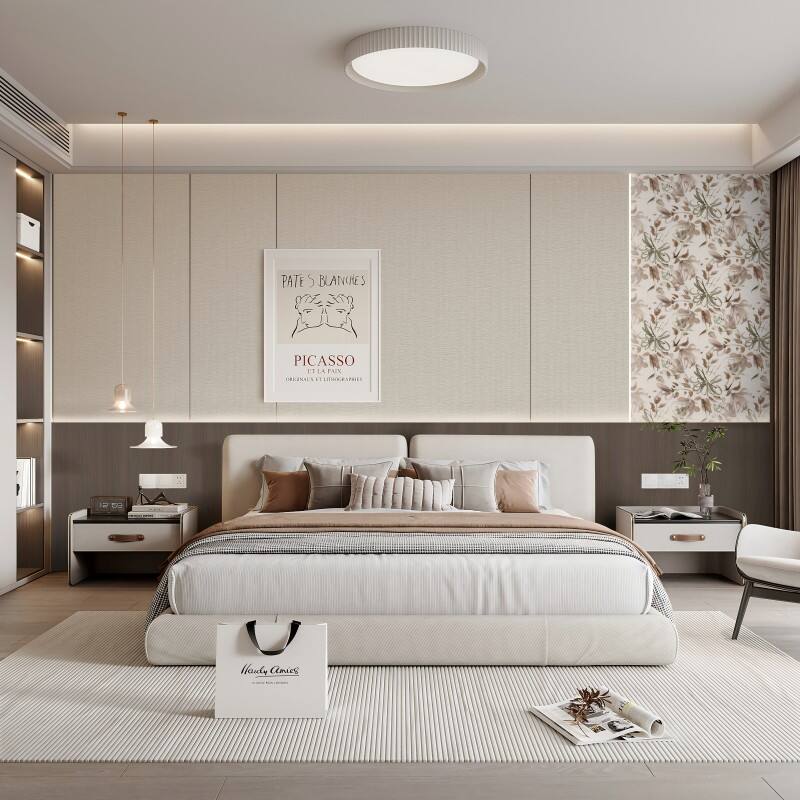
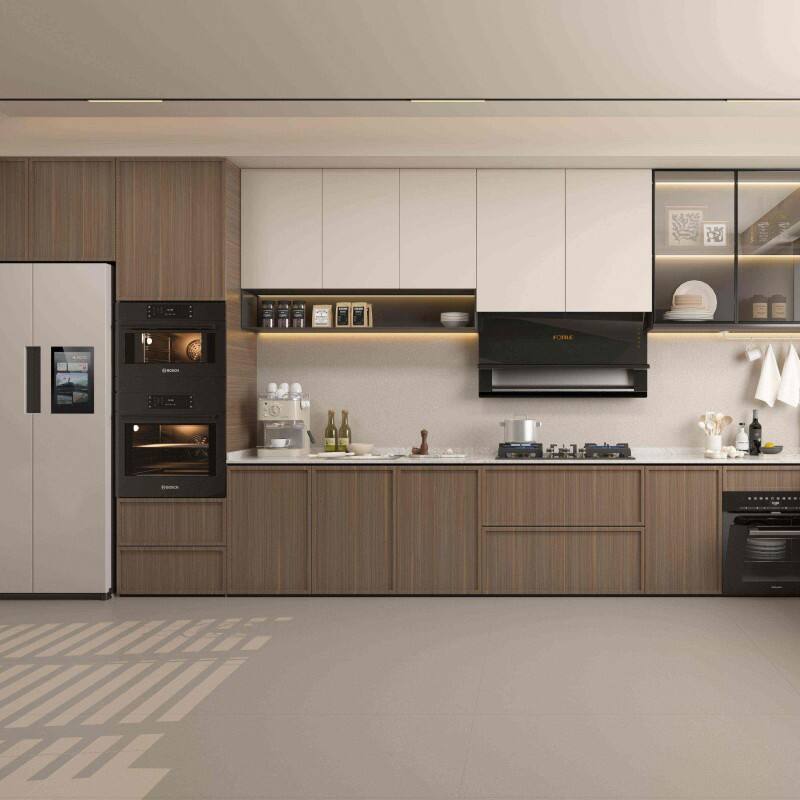
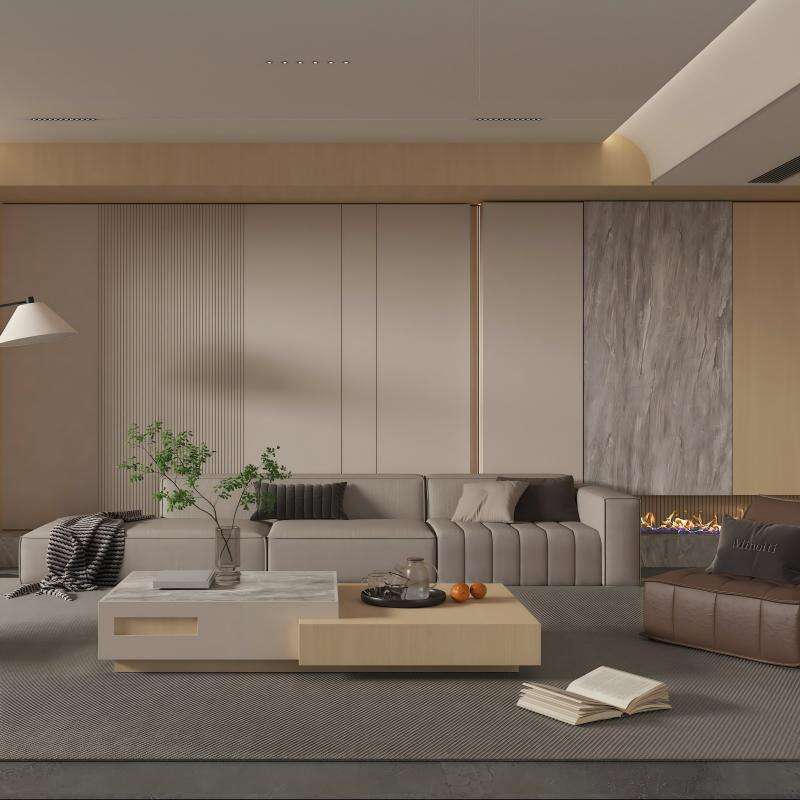
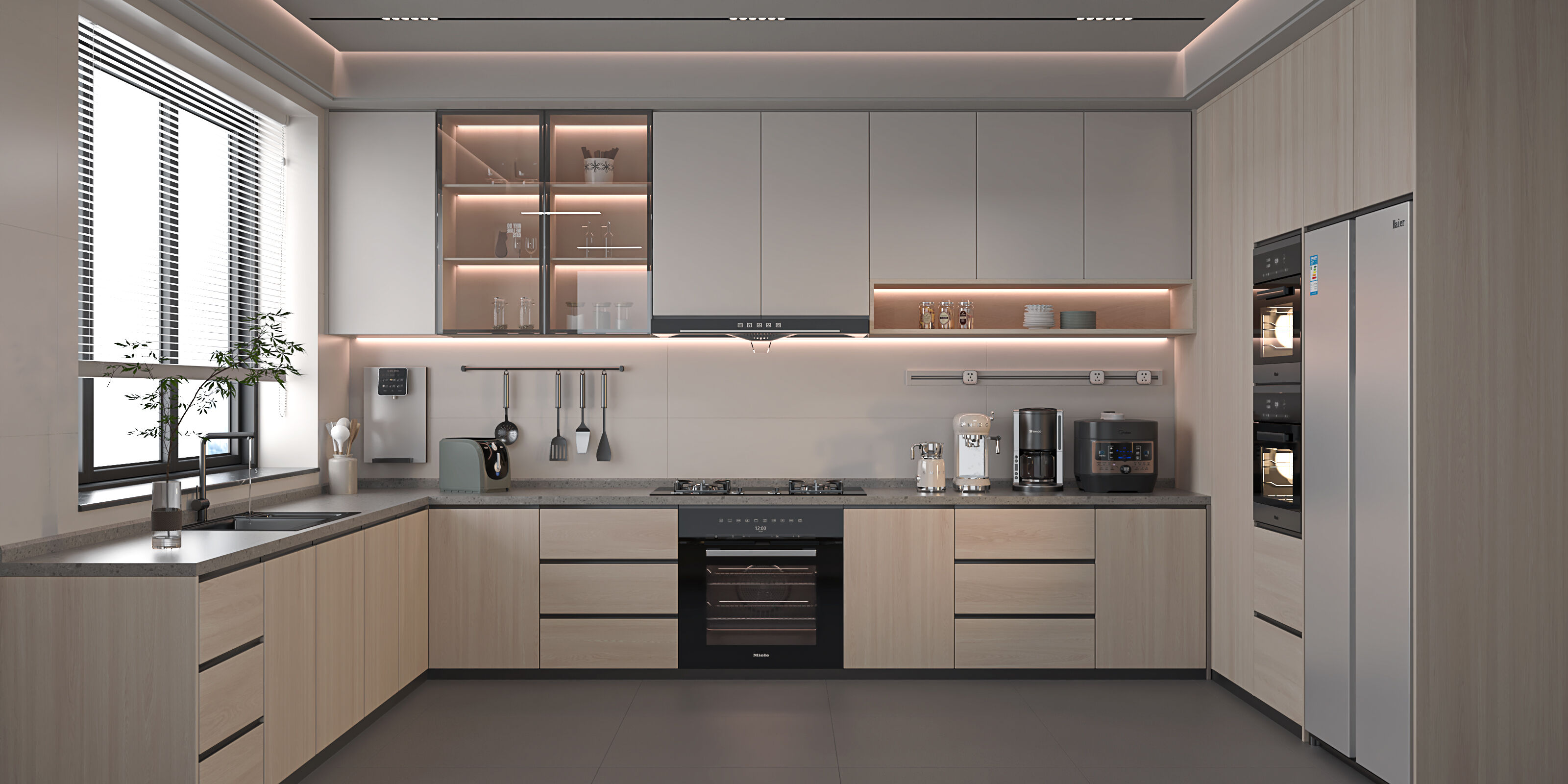
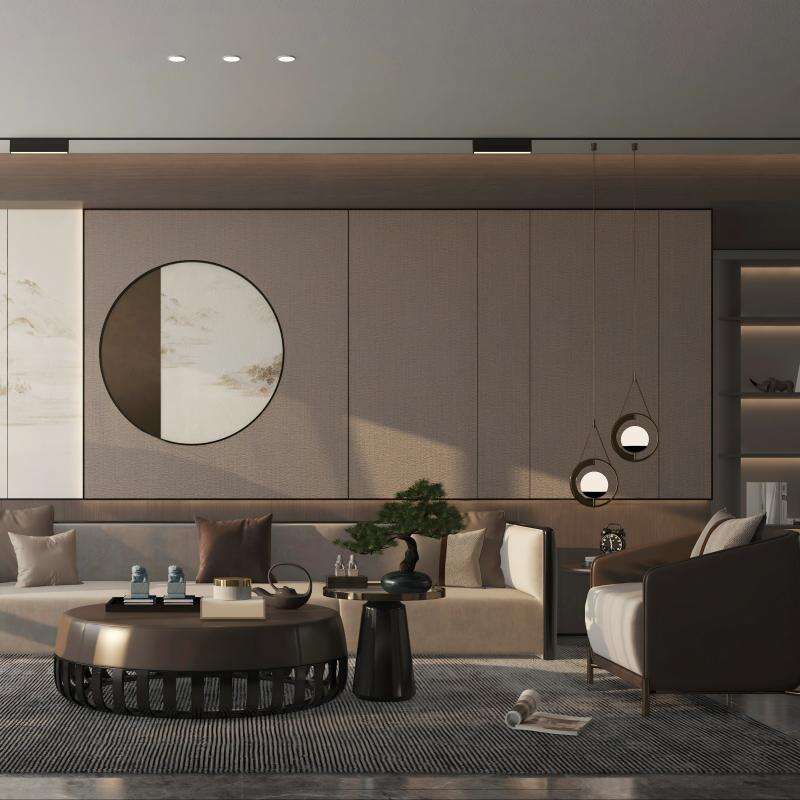
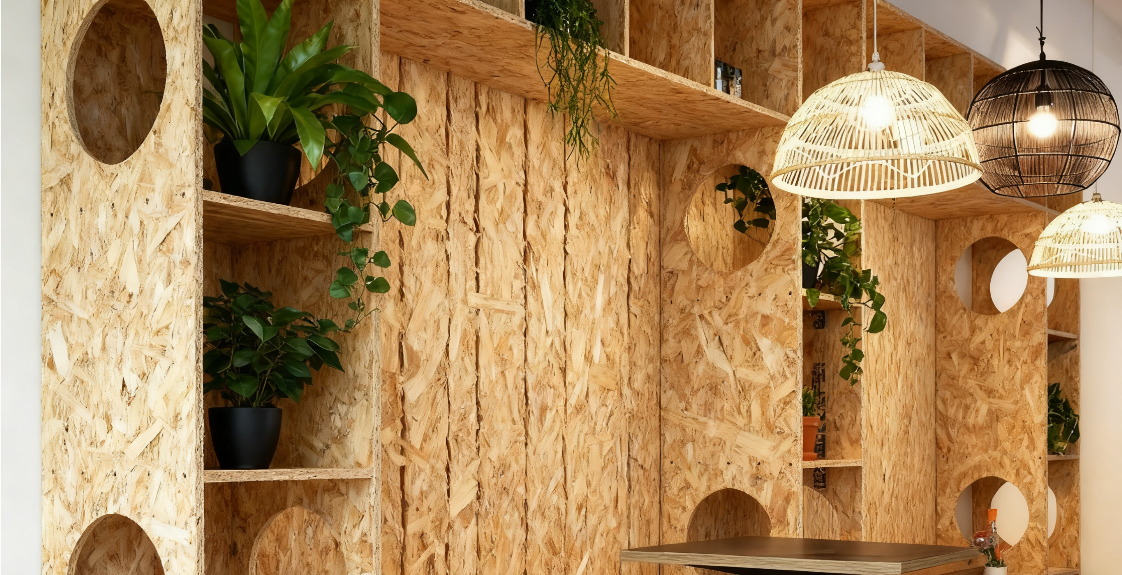
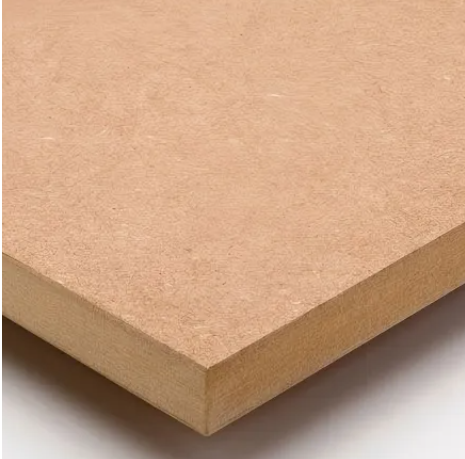
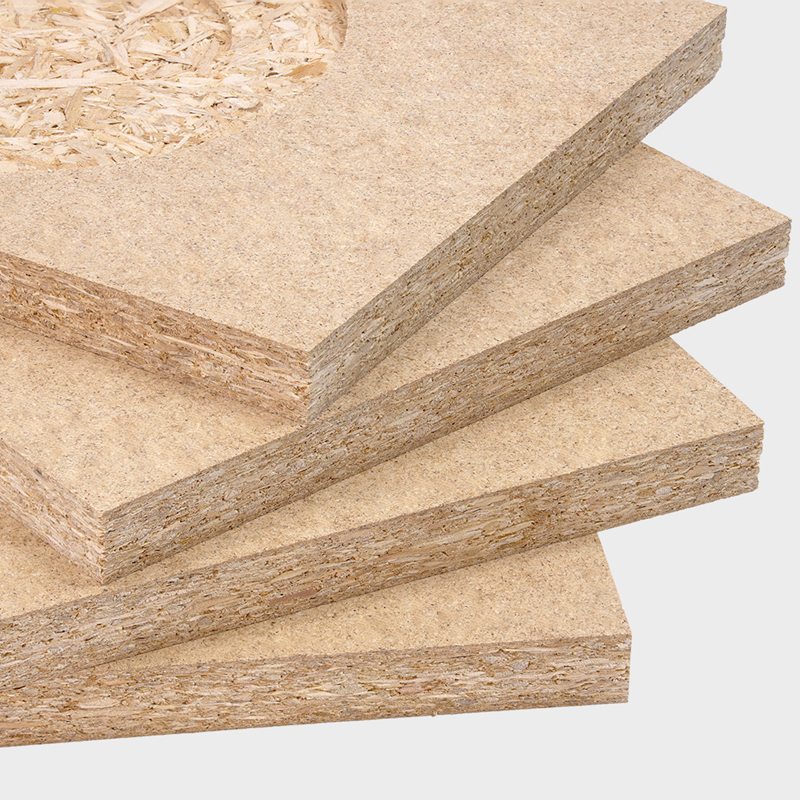
Fire retardant MDF represents a revolutionary advancement in building materials, offering superior protection against fire hazards while maintaining the versatility and workability of traditional medium-density fiberboard. This engineered wood product incorporates specialized chemical treatments and fire-resistant additives during the manufacturing process, creating a board that significantly slows flame spread and reduces smoke generation. The fire retardant MDF achieves exceptional fire resistance ratings, typically meeting Class A or Class 1 fire classifications according to international building codes. The manufacturing process involves impregnating wood fibers with fire-retardant chemicals before compression and bonding, ensuring uniform distribution throughout the entire board thickness. This comprehensive treatment makes fire retardant MDF an ideal solution for high-risk environments where fire safety is paramount. The technological features include enhanced thermal stability, reduced heat release rates, and minimized toxic gas emissions during fire exposure. Fire retardant MDF maintains dimensional stability under high temperatures, preventing warping and structural failure that could compromise building integrity. Applications span across commercial buildings, educational institutions, healthcare facilities, hospitality venues, and residential projects where fire codes mandate enhanced protection. Interior applications include wall paneling, ceiling systems, furniture manufacturing, cabinetry, and decorative elements. The material excels in areas requiring both aesthetic appeal and fire safety compliance, such as theater interiors, restaurant dining areas, hotel corridors, and office partitions. Fire retardant MDF also serves architectural millwork applications, providing designers with creative flexibility while meeting stringent safety requirements. The product demonstrates excellent machinability, allowing standard woodworking tools and techniques for cutting, routing, and shaping. Surface finishing options include painting, laminating, and veneering, enabling seamless integration into various design schemes while maintaining fire-resistant properties throughout the product lifecycle.

 EN
EN