Premium Light Weight MDF - Superior Strength, Reduced Weight, Enhanced Performance

All Categories

Get a Free Quote

Our representative will contact you soon.
Email
WhatsApp
Name
Company Name
Message
0/1000

light weight mdf

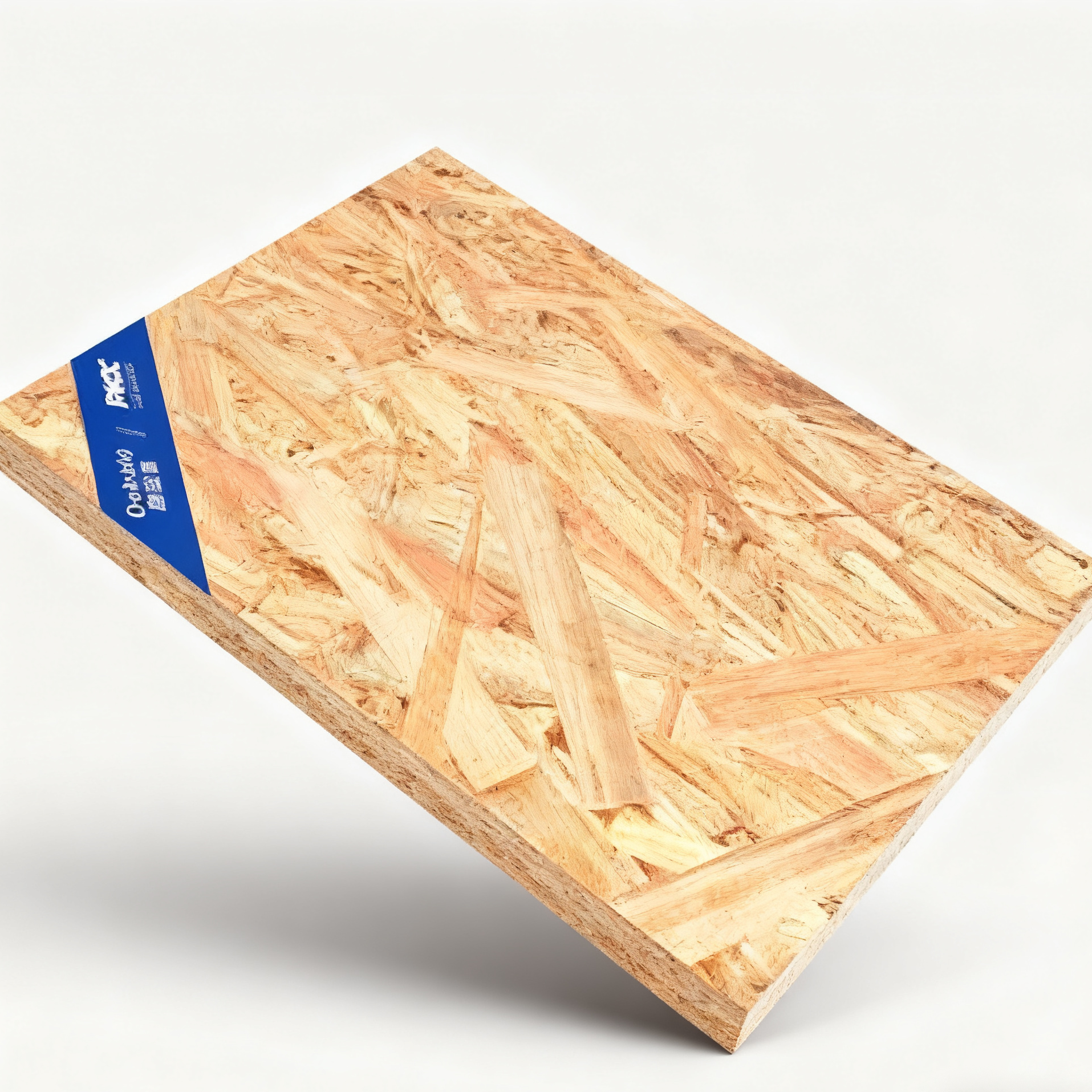
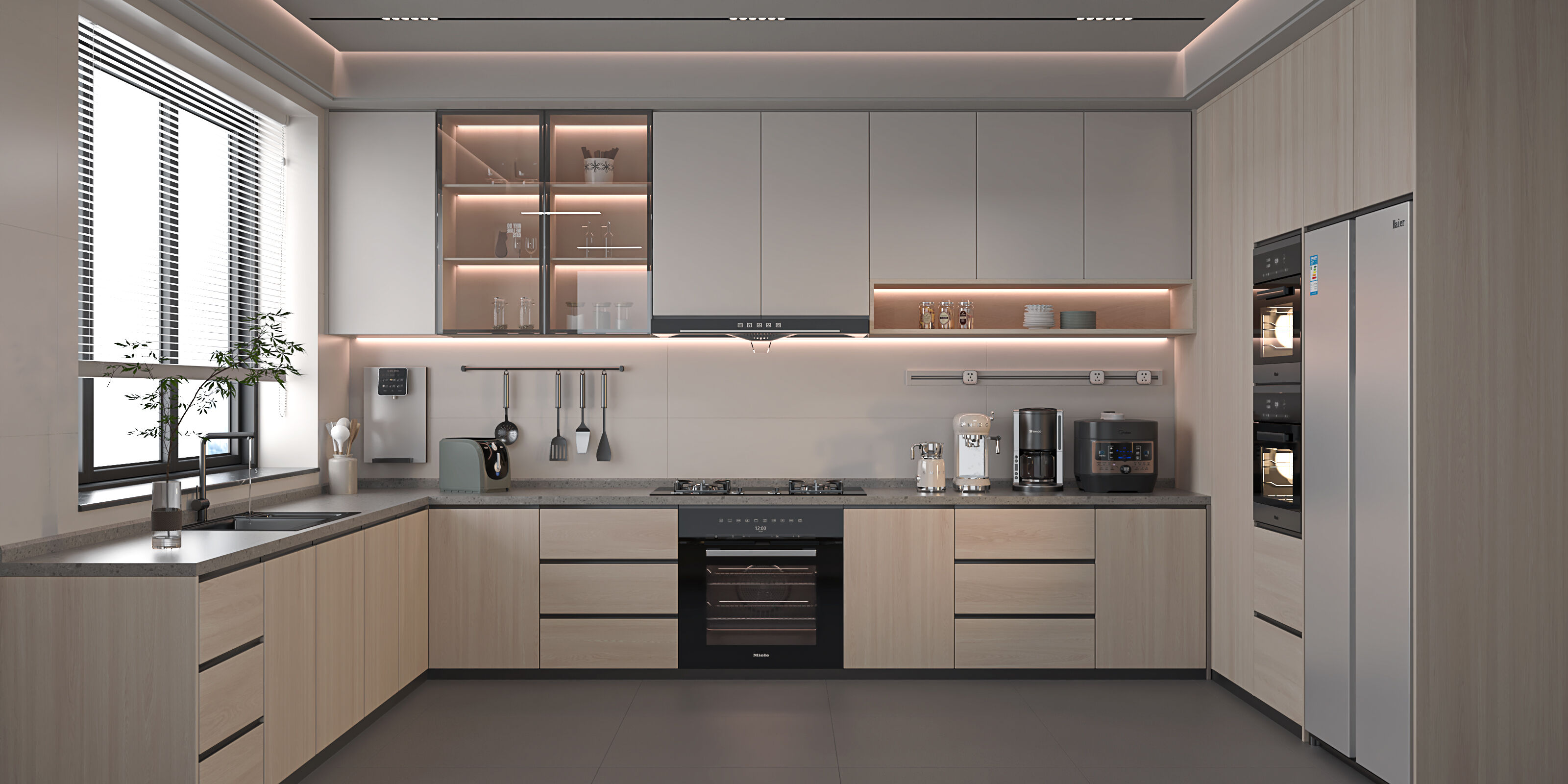
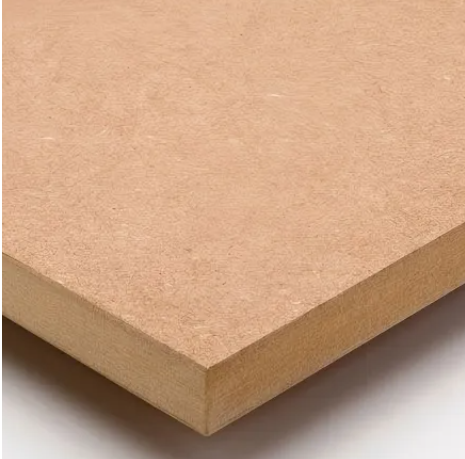
Light weight MDF represents a revolutionary advancement in engineered wood products, combining the structural integrity of traditional medium-density fiberboard with significantly reduced weight characteristics. This innovative material is manufactured through an advanced process that incorporates specialized additives and modified fiber structures, resulting in a board that maintains excellent mechanical properties while achieving weight reductions of up to 25% compared to standard MDF. The technological foundation of light weight MDF lies in its unique core composition, which utilizes hollow microspheres or lightweight fillers that are strategically integrated during the manufacturing process. These microscopic components create air pockets within the board structure, effectively reducing density without compromising strength or dimensional stability. The production process involves carefully controlled temperature and pressure conditions, ensuring optimal bonding between wood fibers and lightweight additives. Light weight MDF exhibits exceptional machining characteristics, allowing for precise cutting, routing, and shaping operations that meet demanding fabrication requirements. The material demonstrates superior screw-holding capacity and edge-sealing properties, making it particularly suitable for applications requiring secure fastening systems. Surface quality remains consistently smooth and uniform, providing an ideal substrate for various finishing techniques including painting, laminating, and veneering. Moisture resistance properties are enhanced through specialized resin systems that protect against dimensional changes and surface degradation in challenging environments. The manufacturing process ensures consistent thickness tolerances and flat surfaces across large panel dimensions, supporting high-quality construction and furniture manufacturing applications. Light weight MDF maintains excellent thermal and acoustic insulation properties, contributing to energy efficiency and sound dampening in building applications. The material's reduced weight significantly improves handling efficiency and transportation economics while maintaining the workability and finishing characteristics that make traditional MDF a preferred choice for manufacturers and craftsmen worldwide.

New Product Releases

Light weight MDF delivers substantial cost savings through reduced transportation expenses and improved handling efficiency throughout the supply chain. The lighter weight characteristics enable manufacturers to ship larger quantities per load, directly reducing freight costs and carbon footprint associated with logistics operations. Installation teams benefit from easier manual handling, reducing labor requirements and workplace injury risks while increasing productivity on construction sites and manufacturing floors. The material's enhanced strength-to-weight ratio provides superior performance in applications where structural integrity must be maintained while minimizing overall system weight. Light weight MDF offers exceptional dimensional stability that prevents warping, bowing, and other deformation issues commonly associated with natural wood products. This stability translates to reduced maintenance costs and longer service life in finished applications. The smooth, consistent surface texture eliminates the need for extensive surface preparation, allowing direct application of finishes and reducing material waste and labor time. Machining operations benefit from reduced tool wear and lower power consumption during cutting and shaping processes, contributing to improved production efficiency and reduced operating costs. The material's enhanced screw retention properties ensure secure fastening systems that maintain joint integrity over extended periods, reducing callback and warranty issues for manufacturers and contractors. Moisture resistance characteristics protect against environmental challenges, maintaining structural integrity and appearance quality in high-humidity environments. Light weight MDF supports sustainable construction practices by utilizing recycled wood fibers and reducing overall material consumption through weight optimization. The manufacturing process generates minimal waste products, supporting environmental responsibility goals while maintaining competitive pricing structures. Quality consistency across production runs ensures predictable performance characteristics, enabling manufacturers to maintain strict quality standards and reduce material rejection rates. The material's compatibility with standard woodworking tools and techniques eliminates the need for specialized equipment investments, making it accessible to workshops and manufacturing facilities of all sizes. Enhanced insulation properties contribute to energy efficiency in building applications, supporting green building certification requirements and reducing long-term operating costs for end users.

Tips And Tricks

The Forming Process of Dekek FOSB

22

Aug

The Forming Process of Dekek FOSB

View More
How Do Decorative Panels Enhance Modern Interior Design?

21

Oct

How Do Decorative Panels Enhance Modern Interior Design?

View More
How WOOD-BASED PANEL Support Custom Furniture and Interior Projects

18

Nov

How WOOD-BASED PANEL Support Custom Furniture and Interior Projects

View More
How Can Decorative Panels Enhance Office or Commercial Spaces?

18

Nov

How Can Decorative Panels Enhance Office or Commercial Spaces?

View More

Get a Free Quote

Our representative will contact you soon.
Email
WhatsApp
Name
Company Name
Message
0/1000

light weight mdf

Superior Strength-to-Weight Performance

Superior Strength-to-Weight Performance

Light weight MDF achieves remarkable engineering performance through its optimized strength-to-weight ratio, delivering structural capabilities that exceed traditional materials while maintaining significantly reduced mass characteristics. The innovative core structure utilizes advanced lightweight fillers that create strategic air pockets throughout the board, reducing overall density by up to 25% without compromising load-bearing capacity or mechanical strength. This engineering achievement results from precise control of fiber orientation and resin distribution during manufacturing, ensuring optimal stress transfer characteristics under various loading conditions. The material demonstrates exceptional bending strength that rivals traditional MDF while offering improved impact resistance and fatigue performance in demanding applications. Edge strength properties are particularly noteworthy, with enhanced screw-holding capacity that provides secure fastening systems for furniture construction and architectural installations. The reduced weight characteristics translate directly to improved handling safety and installation efficiency, allowing workers to manage larger panels with standard equipment and reducing the risk of workplace injuries associated with heavy material handling. Transportation benefits include increased payload capacity and reduced fuel consumption, contributing to overall project cost reduction and environmental sustainability. The strength performance remains consistent across temperature and humidity variations, ensuring reliable long-term performance in diverse environmental conditions. Quality control processes guarantee uniform density distribution and consistent mechanical properties throughout each panel, supporting predictable performance characteristics for manufacturers and contractors. The material's enhanced dimensional stability prevents common deformation issues such as sagging in horizontal applications or bowing in vertical installations, maintaining structural integrity and appearance quality over extended service periods. Testing protocols demonstrate superior creep resistance compared to traditional alternatives, ensuring maintained performance under sustained loading conditions that are critical in furniture and construction applications.
Enhanced Workability and Finishing Characteristics

Enhanced Workability and Finishing Characteristics

Light weight MDF provides exceptional workability that combines the familiar machining characteristics of traditional MDF with improved performance features that benefit manufacturers and craftsmen across diverse applications. The material cuts cleanly with standard woodworking tools, producing smooth edges that require minimal finishing preparation while generating reduced dust and debris during machining operations. Router operations achieve precise profiles and decorative details with excellent edge quality that supports high-end finishing requirements without additional surface preparation steps. The consistent fiber structure ensures uniform tool engagement throughout cutting operations, reducing blade wear and maintaining cutting quality across extended production runs. Drilling operations produce clean, precise holes with minimal tear-out or splintering, supporting accurate hardware installation and assembly processes. The material's reduced weight facilitates easier positioning and adjustment during machining operations, improving operator control and precision while reducing fatigue during extended production periods. Surface characteristics provide an ideal foundation for various finishing techniques, including paint systems, laminates, veneers, and decorative films. The smooth, uniform texture eliminates grain patterns and surface irregularities that can telegraph through applied finishes, ensuring consistent appearance quality across large surface areas. Paint adhesion properties are exceptional, with the material's controlled porosity providing optimal paint penetration and bonding characteristics that support durable, long-lasting finish systems. Sanding operations require minimal effort to achieve desired surface smoothness, with the material's consistent density preventing uneven sanding patterns or surface defects. Edge sealing operations benefit from the material's controlled absorption characteristics, ensuring uniform sealer penetration and optimal edge finishing results. The material accepts stains and dyes uniformly, enabling consistent color matching and appearance control in applications requiring specific aesthetic requirements. Laminating operations achieve excellent bond strength with various adhesive systems, supporting high-pressure laminate applications and decorative surface treatments that meet demanding performance standards.
Environmental Sustainability and Cost Efficiency

Environmental Sustainability and Cost Efficiency

Light weight MDF represents a significant advancement in sustainable manufacturing practices, incorporating recycled wood fibers and optimized production processes that minimize environmental impact while delivering superior economic benefits throughout the product lifecycle. The manufacturing process utilizes post-consumer wood waste and sawmill byproducts as primary raw materials, diverting these materials from waste streams and contributing to circular economy principles. Energy consumption during production is reduced through optimized pressing cycles and lower material density requirements, resulting in decreased carbon footprint per unit volume compared to traditional alternatives. Transportation efficiency gains are substantial, with reduced material weight enabling increased payload capacity and decreased fuel consumption during distribution, contributing to overall supply chain sustainability. The material's enhanced durability characteristics extend service life in finished applications, reducing replacement frequency and associated material consumption over time. Packaging requirements are minimized due to reduced weight characteristics, decreasing packaging material consumption and transportation volume requirements while maintaining product protection standards. Light weight MDF supports LEED certification requirements through its sustainable material content and energy efficiency contributions in building applications. Cost efficiency benefits extend throughout the supply chain, beginning with reduced transportation expenses that provide immediate economic advantages for distributors and manufacturers. Installation cost savings result from improved handling characteristics that reduce labor requirements and increase productivity on job sites and in manufacturing facilities. The material's consistent quality characteristics minimize waste generation during fabrication and installation processes, reducing material consumption and disposal costs. Tool wear reduction during machining operations decreases maintenance expenses and extends equipment service life, contributing to improved manufacturing economics. The material's dimensional stability prevents costly callbacks and warranty claims associated with warping, bowing, or other deformation issues common in traditional materials. Energy efficiency contributions in building applications support reduced operating costs for end users while meeting increasingly stringent environmental regulations and building code requirements. Long-term cost benefits include reduced maintenance requirements and extended service life that provide superior total cost of ownership compared to alternative materials in demanding applications.

Get a Free Quote

Our representative will contact you soon.
Email
WhatsApp
Name
Company Name
Message
0/1000