
Decoratieve panelen zijn een transformatief ontwerpelement geworden in hedendaagse interieurs, waardoor architecten, ontwerpers en huiseigenaren op een andere manier naar ruimtelijke planning en visueel vertellen kijken. Deze veelzijdige installaties gaan verder dan traditionele wandbekledingen en fungeren zowel als functionele scheidingswand als esthetisch aandachtspunt dat het karakter van elke ruimte bepaalt. Begrijpen waarom decoratieve panelen belangrijk zijn, geeft dieper inzicht in de moderne ontwerffilosofie en de evoluerende relatie tussen vorm, functie en persoonlijke expressie in gebouwde omgevingen.
De opkomst van decoratieve panelen in hedendaagse ruimtes weerspiegelt een fundamentele verschuiving in de manier waarop wij binnenruimtes conceptualiseren. In plaats van wanden te beschouwen als passieve achtergrondelementen, erkennen ontwerpers nu decoratieve panelen als actieve deelnemers aan de ruimtelijke compositie. Ze bieden visuele diepte, verbeteren de akoestische prestaties, zorgen voor ontwerpcoherentie over verschillende ruimtes heen en creëren gelaagde ervaringen die bewoners tegelijkertijd op meerdere zintuiglijke niveaus betrekken.
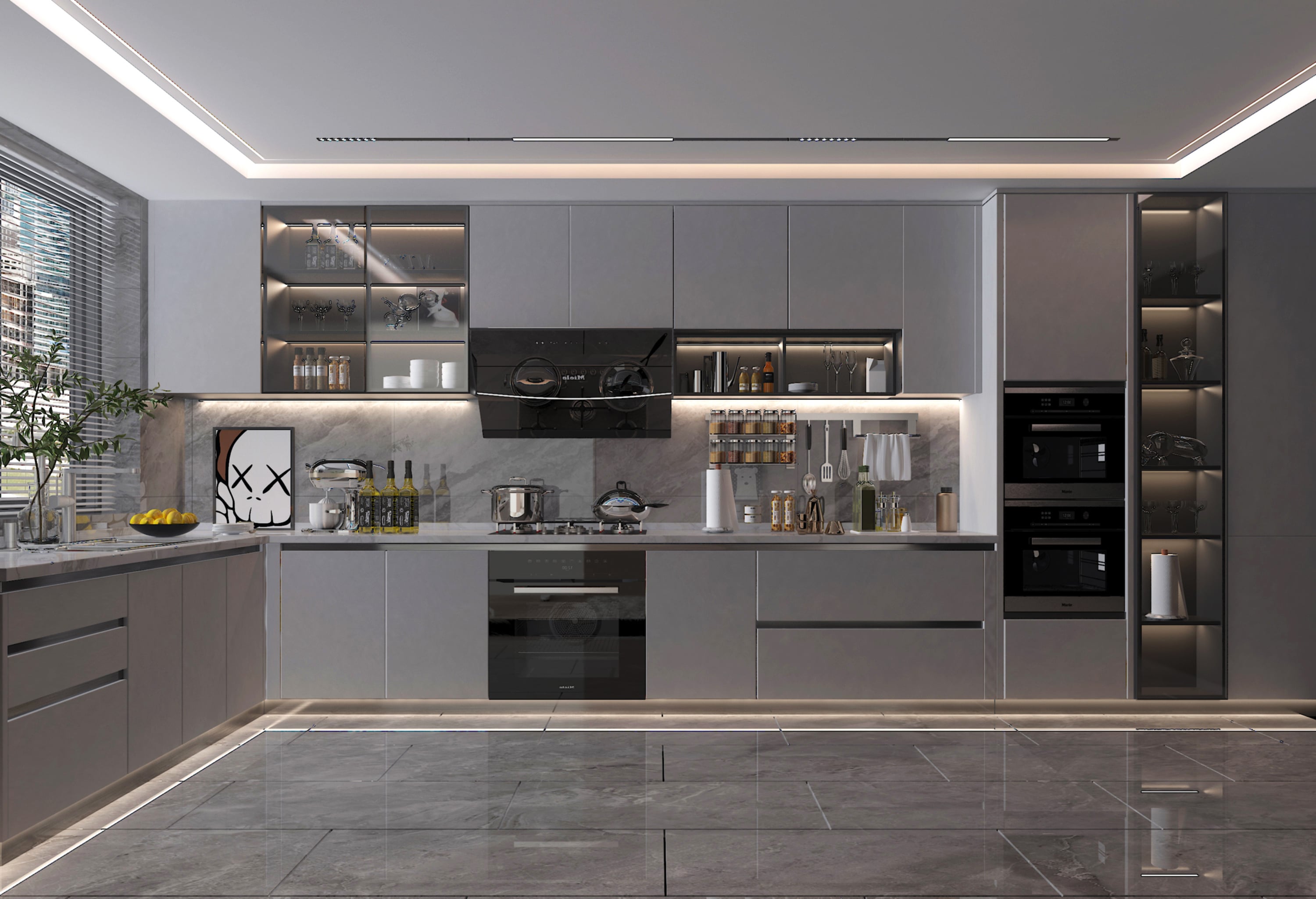
Decoratieve panelen fungeren als strategische ankers binnen interieurcomposities, trekken de aandacht en creëren visuele hiërarchieën die de ruimtelijke waarneming begeleiden. Wanneer zorgvuldig geplaatst, omlijsten decoratieve panelen belangrijke architectonische elementen, verbergen structurele onregelmatigheden of benadrukken kunstwerken en meubilair. Deze doordachte plaatsing transformeert gewone wanden in gecuratoreerde, galerie-achtige omgevingen waarbij elk oppervlak op zinvolle wijze bijdraagt aan het algehele ontwerpverhaal.
De textuur van decoratieve panelen versterkt hun visuele aanwezigheid exponentieel. Of ze nu houtnerfpatronen, geometrische reliëfoppervlakken of subtiele materiaalvariaties vertonen, decoratieve panelen brengen tactiele rijkdom toe die vlak geschilderde oppervlakken niet kunnen bieden. Deze driedimensionale kwaliteit vangt het licht op verschillende manieren gedurende de dag, waardoor dynamische visuele effecten ontstaan die evolueren met veranderende belichting en visuele interesse behouden over langere perioden.
Modern interieurontwerp legt in toenemende mate de nadruk op een verfijnde ontwerptaal die naadloos door verschillende ruimtes heen loopt. Decoratieve panelen dienen dit doel door visuele verbindingen te creëren die uiteenlopende gebieden binnen open indelingen met elkaar verbinden. Het kiezen van consistente materiaalpaletten, afwerkingen of ontwerpmotieven voor decoratieve panelen in een woning of commerciële ruimte zorgt voor psychologische continuïteit, wat de ruimtelijke perceptie en ontwerpcoherentie verbetert.
Kleurencoördinatie via decoratieve panelen stelt ontwerpers in staat verfijnde kleurovergangen en stemmingsvariaties in te voeren zonder ruimtes te overweldigen. Of men nu monochroom verfijning of complementaire kleurenschema’s nastreeft: decoratieve panelen bieden goed te beheersen oppervlakken die diverse ontwerpelementen in harmonie brengen, terwijl visueel evenwicht en professionele afwerking behouden blijven.
Buiten esthetiek om bieden decoratieve panelen aanzienlijke verbetering van akoestische omgevingen door de nagalm te verminderen, geluidsoverdracht te minimaliseren en comfortabelere ruimtelijke omstandigheden te creëren. Moderne kantoorontwerpen en woonruimtes integreren steeds vaker decoratieve panelen specifiek vanwege hun geluidsabsorberende eigenschappen, om zo tegemoet te komen aan de akoestische uitdagingen die inherent zijn aan open kantoorindelingen. Deze tweeledige functionaliteit maakt decoratieve panelen economisch efficiënte oplossingen die zowel visuele aantrekkelijkheid als milieucomfort tegelijkertijd versterken.
Strategische installatie van decoratieve panelen creëert akoestische zones binnen grotere ruimtes, waardoor ontwerpers rustige gebieden kunnen instellen voor geconcentreerd werken of ontspanning, terwijl de open visuele verbinding behouden blijft. Deze verfijnde aanpak van ruimtelijke planning laat zien hoe decoratieve panelen esthetische en functionele eisen naadloos met elkaar verbinden.
Kwalitatief hoogwaardige decoratieve panelen bieden uitzonderlijke duurzaamheid en vereisen minimale onderhoudsinspanning in vergelijking met traditionele wandafwerkingen. De meeste moderne decoratieve panelen zijn bestand tegen vlekken, krassen en vochtbeschadiging, waardoor ze geschikt zijn voor keukens, badkamers en commerciële ruimtes met veel bezoekers, waar de prestatie-eisen hoger liggen dan standaardspecificaties. Deze weerstand zorgt ervoor dat decoratieve panelen hun visuele uitstraling en functionaliteit gedurende langere tijd behouden, waardoor investeringen in design effectief worden beschermd.
De praktische voordelen van decoratieve panelen strekken zich uit tot installatie-efficiëntie en toekomstige aanpassingen. In tegenstelling tot permanente wandafwerkingen kunnen decoratieve panelen relatief eenvoudig worden hergeconfigureerd, vervangen of opnieuw gepositioneerd, zodat ruimtes kunnen evolueren in functie van veranderende functionele eisen of ontwerpvoorkeuren, zonder dat uitgebreide verbouwkosten nodig zijn.
De buitengewone verscheidenheid aan decoratieve panelen die vandaag de dag verkrijgbaar zijn, zorgt ervoor dat bijna elk ontwerpvisioen kan worden verwezenlijkt door doordachte keuzes op het gebied van materiaal en afwerking. Van minimalistische vlakke panelen tot uitgesproken sculpturale installaties: decoratieve panelen passen zich even authentiek aan moderne, overgangs- en traditionele esthetische benaderingen aan. Deze flexibiliteit stelt ontwerpers en huiseigenaren in staat om hun persoonlijke stijl duidelijk tot stand te brengen, terwijl ze tegelijkertijd professionele, verfijnde ontwerpstandaarden handhaven.
Materiaalkeuzes voor decoratieve panelen variëren van geïngineerd hout en duurzame alternatieven tot geavanceerde composietmaterialen die ongekende ontmogelijkheden bieden. Deze steeds uitbreidende palet geeft ontwerpers de mogelijkheid om milieu duurzaamheid , prestatiekenmerken of specifieke esthetische kwaliteiten te prioriteren, afhankelijk van de projectdoelstellingen.
Decoratieve panelen maken tijdelijke ontwerpinterventies mogelijk die ruimtes vernieuwen zonder permanente verbintenis of uitgebreide bouwwerkzaamheden. Seizoensgebonden esthetische updates, feestelijke transformaties of experimentele ontwerpverkenningen worden haalbaar via doordachte installaties van decoratieve panelen, die naar gelang de omstandigheden kunnen worden aangepast of vervangen. Deze flexibiliteit blijkt vooral waardevol in winkelomgevingen, horecavoorzieningen en woonruimtes, waar ontwikkeling van het ontwerp weerspiegelt wat bewoners wensen en hoe hun levensstijl verandert.
De modulaire opbouw van veel systemen voor decoratieve panelen vergemakkelijkt samenwerkingsprocessen bij het ontwerp, waardoor klanten alternatieven kunnen visualiseren, combinaties kunnen testen en actief kunnen deelnemen aan creatieve besluitvorming vóór de definitieve installatie. Deze participatieve aanpak versterkt tevredenheid over het ontwerp en zorgt ervoor dat de eindresultaten echt aansluiten bij de verwachtingen en ambities van de gebruikers.
Decoratieve panelen absorberen geluidsgolven via hun materiaalsamenstelling en oppervlaktestructuur, waardoor geluidsnasling en akoestische interferentie aanzienlijk worden verminderd. Wanneer ze strategisch worden geïnstalleerd in open kantoormilieus, vormen decoratieve panelen akoestische zones die ongewenste geluidsoverdracht verminderen, terwijl de visuele verbinding behouden blijft. Dit prestatievoordeel maakt decoratieve panelen bijzonder waardevol in kantoren, restaurants en woonruimtes, waar akoestisch comfort direct van invloed is op het welzijn en de productiviteit van de gebruikers.
Absoluut. Hedendaagse minimalistische esthetiek profiteert aanzienlijk van zorgvuldig geselecteerde decoratieve panelen met schone lijnen, neutrale afwerkingen en subtiele oppervlaktebehandelingen. Minimalistische decoratieve panelen leggen de nadruk op materiaalechtheid en geometrische eenvoud in plaats van uitgesproken versiering, waardoor verfijnde blikvangers ontstaan die zorgvuldig ingerichte ruimtes versterken zonder ze te overheersen. De visuele terughoudendheid die kenmerkend is voor minimale vormgeving past perfect bij de verfijnde aanwezigheid die decoratieve panelen introduceren.
De meeste moderne decoratieve panelen vereisen weinig onderhoud, behalve af en toe stofverwijdering of lichte reiniging met geschikte materialen die specifiek zijn voor de oppervlakteafwerking. In tegenstelling tot geverfde wanden, die gevoelig zijn voor krassen en vlekken, weerstaan kwalitatief hoogwaardige decoratieve panelen slijtage effectief en behouden hun uiterlijk gedurende langere tijd. Fabrikanten geven doorgaans specifieke onderhoudsaanbevelingen, maar over het algemeen blijken decoratieve panelen opmerkelijk weinig onderhoud te vergen in vergelijking met alternatieve wandafwerkingsopties.
 Actueel nieuws
Copyright © 2026 GuangXi Dekek Group. Alle rechten voorbehouden.
 EN
EN


