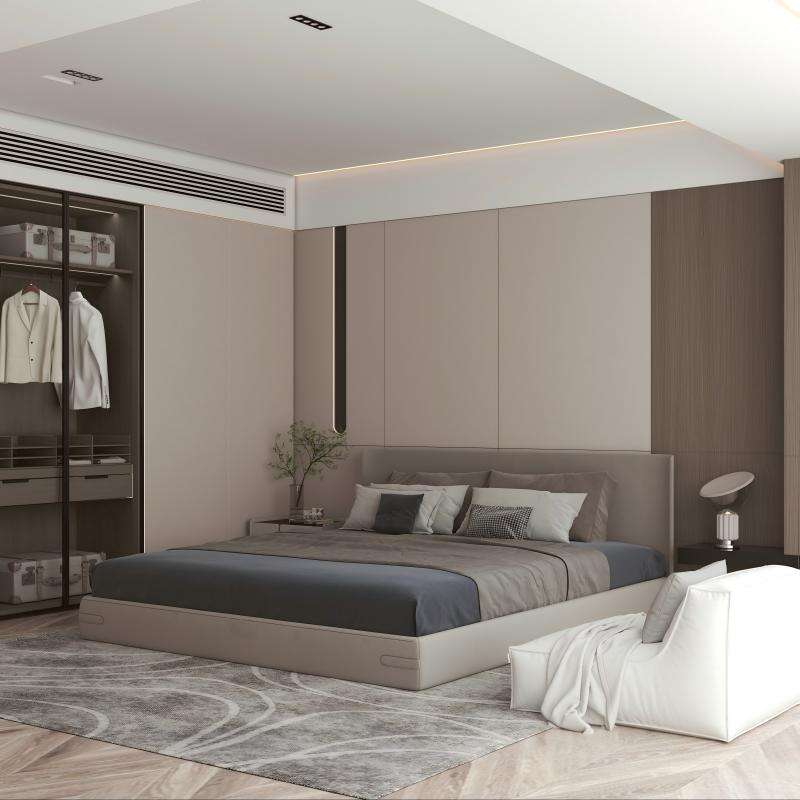
types of osb
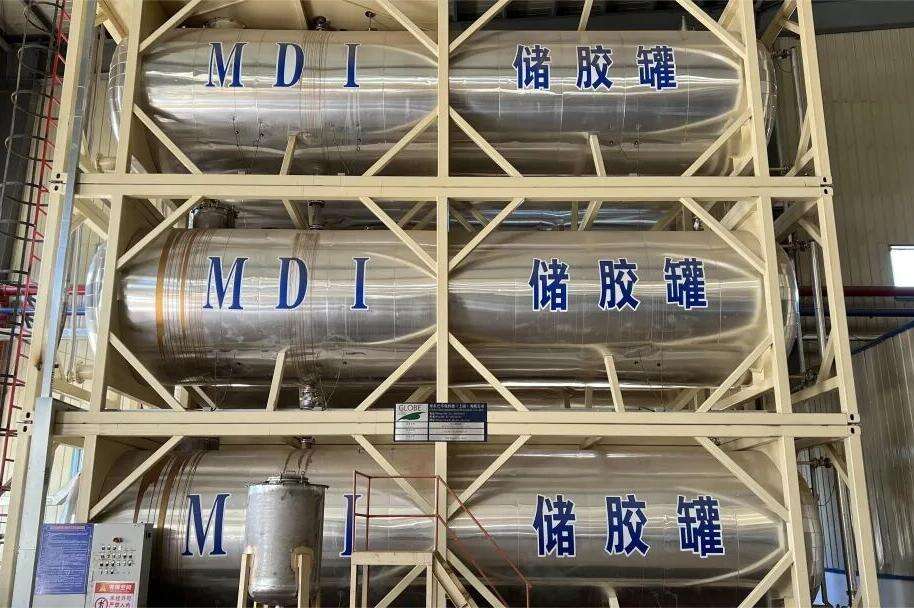
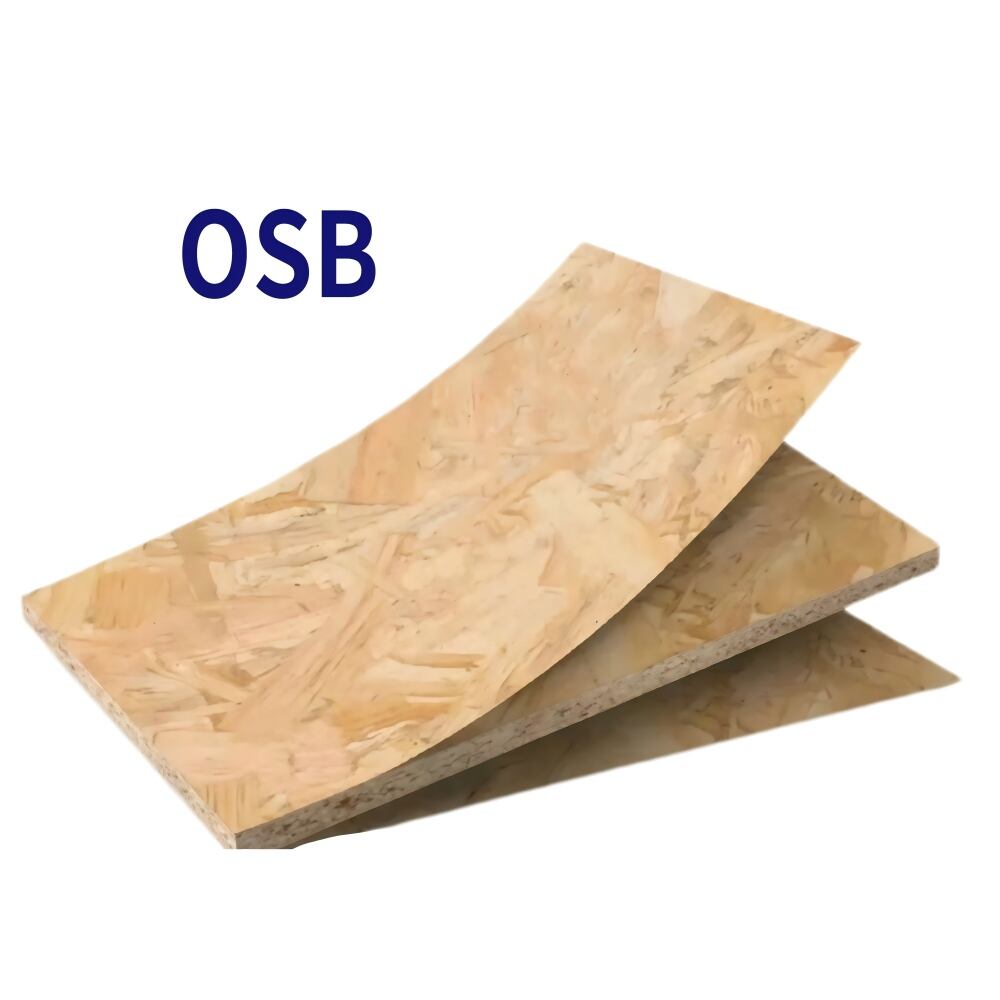
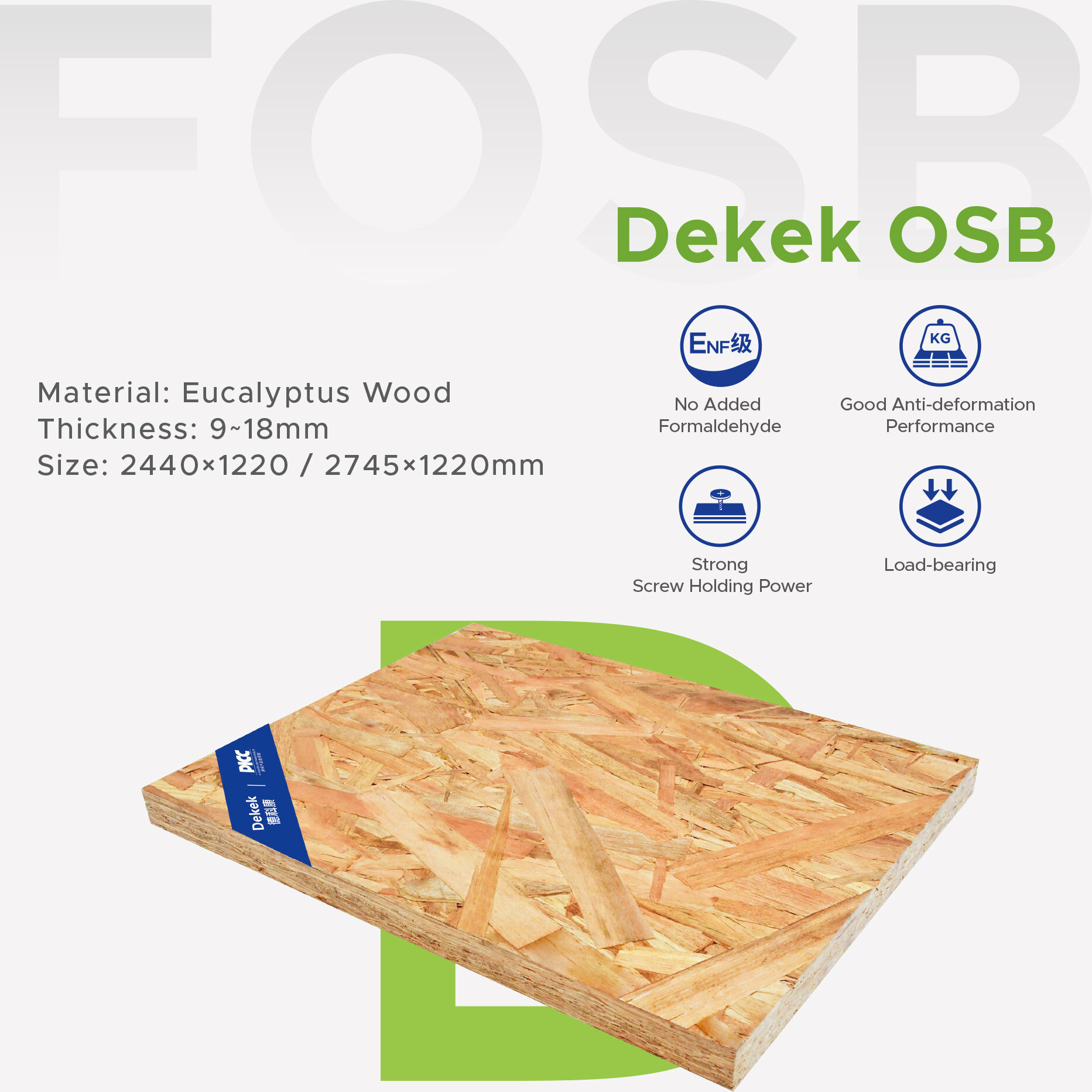
Oriented Strand Board, commonly known as OSB, represents a revolutionary engineered wood product that has transformed modern construction practices. The types of OSB available in today's market are categorized primarily by their structural properties and intended applications. OSB/1 serves as the standard grade for general-purpose use in dry conditions, making it suitable for furniture components and packaging materials. OSB/2 provides enhanced load-bearing capabilities for structural applications in dry environments, commonly utilized in flooring and wall sheathing. OSB/3 stands as the premium structural grade, engineered to withstand humid conditions while maintaining exceptional strength characteristics. Finally, OSB/4 represents the highest performance category, designed for heavy-duty structural applications in demanding moisture conditions. The manufacturing process involves arranging wood strands in specific orientations across multiple layers, with exterior layers running parallel to the panel length and interior layers positioned perpendicular. This cross-laminated configuration creates superior strength properties compared to traditional particleboard or plywood alternatives. Advanced resin systems, typically phenol-formaldehyde or isocyanate-based adhesives, bond the strands together under high temperature and pressure conditions. The technological features of different types of OSB include varying density profiles, moisture resistance ratings, and mechanical strength specifications. Modern production facilities employ sophisticated quality control systems to ensure consistent panel dimensions, surface smoothness, and structural integrity. The surface characteristics range from smooth-sanded finishes suitable for direct application to textured surfaces designed for enhanced adhesion properties. Each type of OSB undergoes rigorous testing protocols to verify compliance with international standards, ensuring reliable performance across diverse construction applications and environmental conditions throughout the structure's service life.



 EN
EN