Superior Structural Performance and Engineering Reliability
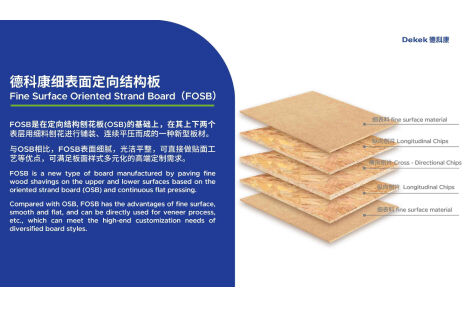
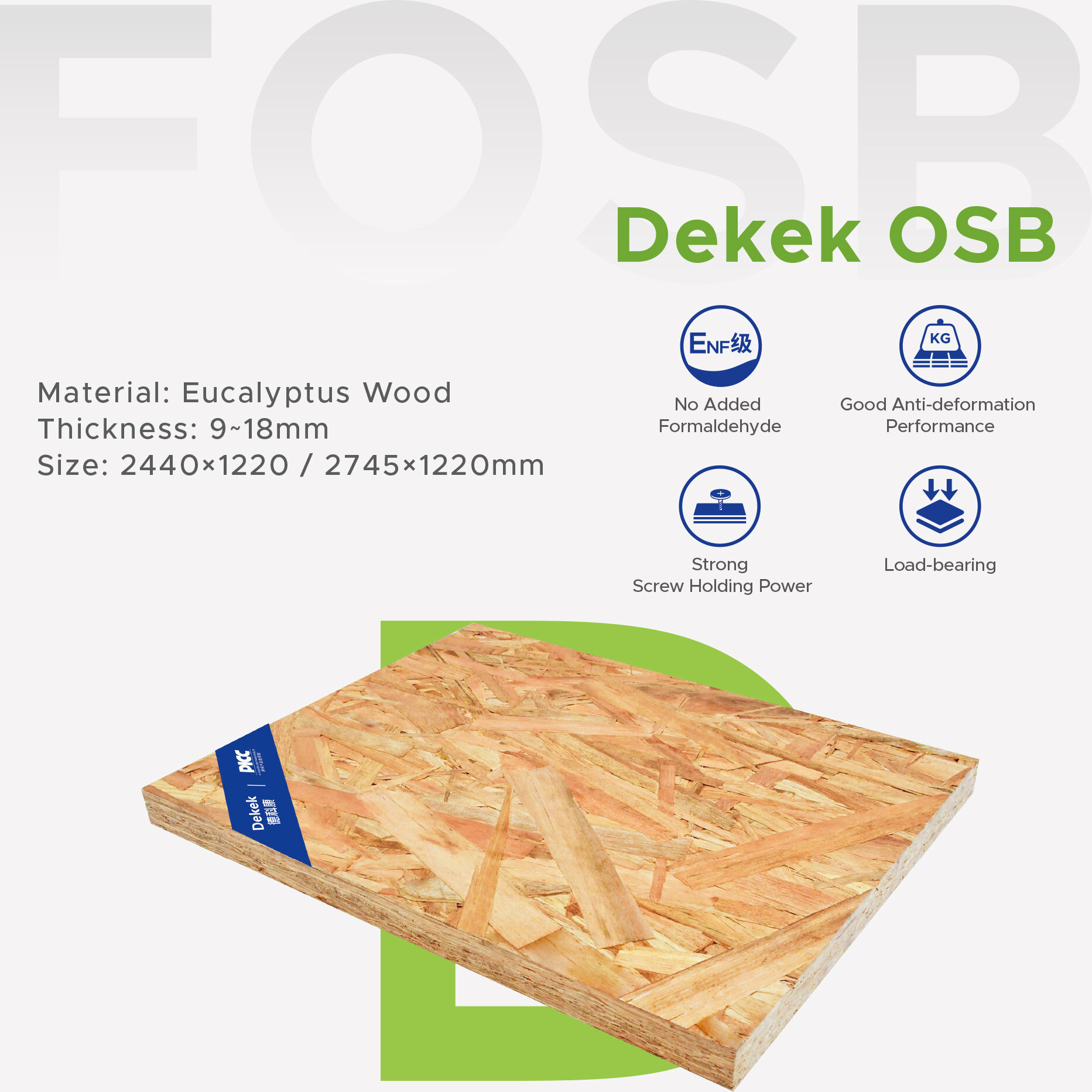
OSB sheet price competitiveness never compromises the exceptional structural performance that construction professionals demand for critical applications. The engineered composition of OSB sheets creates superior load-bearing capabilities that exceed many traditional building materials in both strength and consistency. Unlike natural wood products that contain inherent weaknesses like knots, grain deviations, and moisture variations, OSB sheets deliver uniform structural properties throughout the entire panel. This engineering reliability enables architects and structural engineers to specify OSB with confidence, knowing that performance characteristics remain consistent across all material batches. The manufacturing process orients wood strands in alternating directions, creating a cross-laminated structure that provides exceptional resistance to bending, shear, and compression forces. This multi-directional strength distribution makes OSB sheets particularly effective for applications requiring high structural integrity, such as floor systems, wall sheathing, and roof decking. The OSB sheet price reflects this superior performance while remaining accessible to builders working within tight budget constraints. Quality control measures during production ensure that each sheet meets strict industry standards for structural applications, eliminating the variability common with natural lumber products. The consistent thickness tolerance of OSB sheets facilitates precise installation and reduces the potential for structural irregularities that could compromise building performance. Advanced adhesive systems used in OSB manufacturing create permanent bonds that resist moisture infiltration and maintain structural integrity under challenging environmental conditions. Testing protocols verify that OSB sheets exceed building code requirements for fire resistance, load-bearing capacity, and dimensional stability. The predictable performance characteristics allow engineers to optimize structural designs while maintaining safety factors, potentially reducing overall material requirements and associated costs.




 EN
EN