osb roofing boards
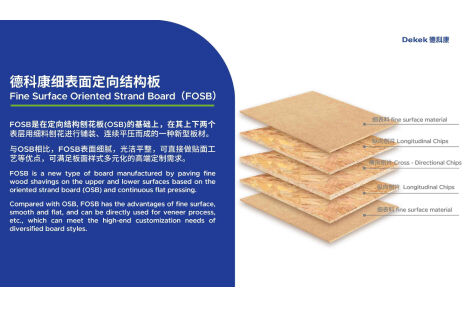
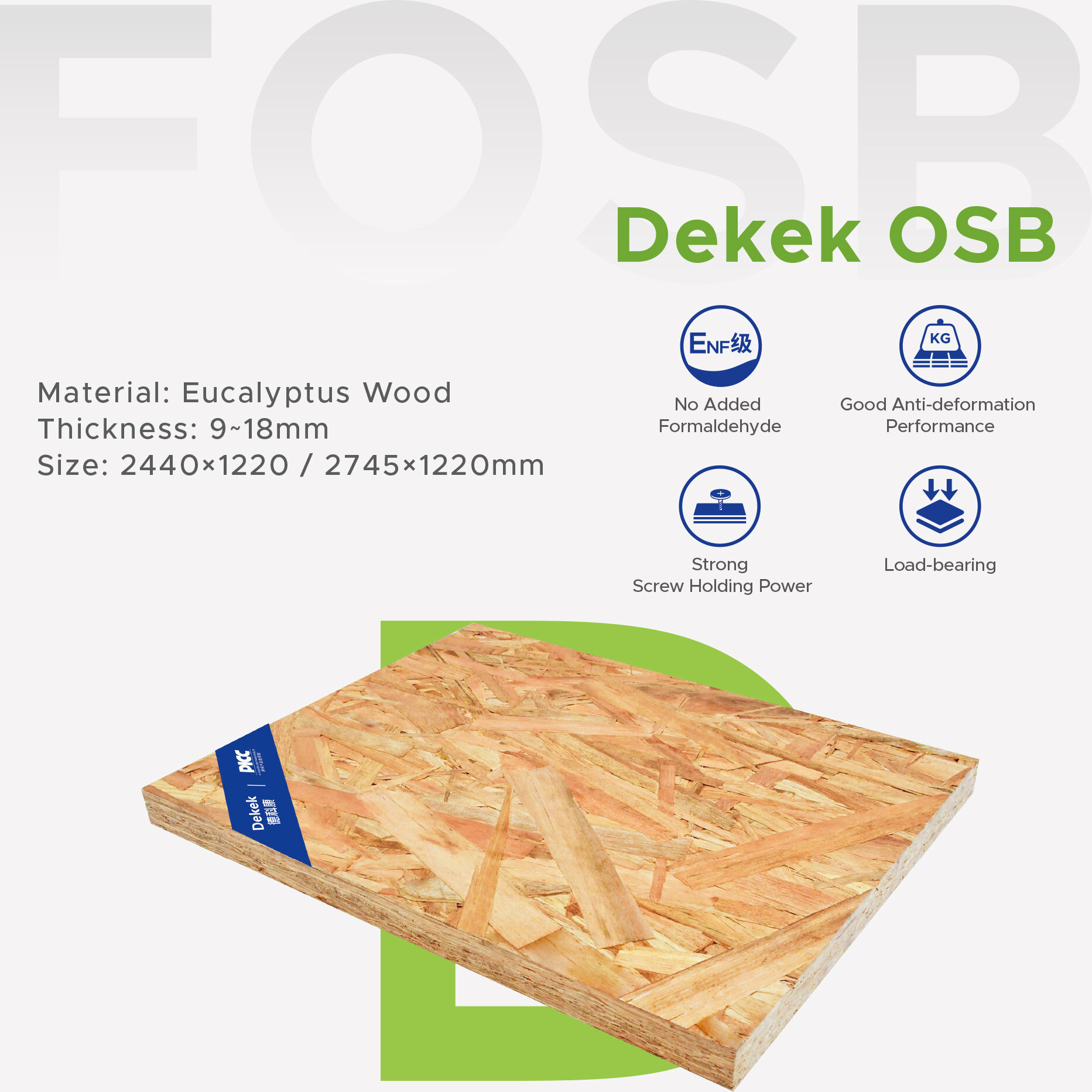
OSB roofing boards represent a revolutionary advancement in modern construction materials, engineered specifically to meet the demanding requirements of residential and commercial roofing applications. These oriented strand boards combine wood strands arranged in precise layers, creating a structural panel that delivers exceptional performance across multiple construction scenarios. The manufacturing process involves carefully selected wood strands oriented perpendicular to adjacent layers, bonded together using advanced adhesive systems under controlled heat and pressure conditions. This sophisticated engineering approach results in osb roofing boards that exhibit superior dimensional stability, moisture resistance, and structural integrity compared to traditional plywood alternatives. The technological innovation behind osb roofing boards incorporates cross-directional layering techniques that distribute load forces evenly across the panel surface, ensuring consistent performance under varying environmental conditions. These boards typically feature smooth, uniform surfaces that facilitate efficient installation processes while providing excellent substrate characteristics for various roofing membrane systems. The manufacturing standards for osb roofing boards comply with rigorous industry specifications, incorporating quality control measures that guarantee consistent thickness, density, and performance characteristics throughout each production batch. Modern osb roofing boards integrate moisture-resistant treatments and edge sealing technologies that protect against water infiltration and dimensional changes during service life. The applications for osb roofing boards span residential construction projects, commercial building developments, industrial facilities, and specialty architectural installations requiring reliable structural decking solutions. Professional contractors increasingly specify osb roofing boards for their projects due to their predictable performance characteristics, cost-effectiveness, and compatibility with contemporary roofing systems including asphalt shingles, metal roofing, tile installations, and single-ply membrane applications.

 EN
EN