Superior Structural Performance and Durability
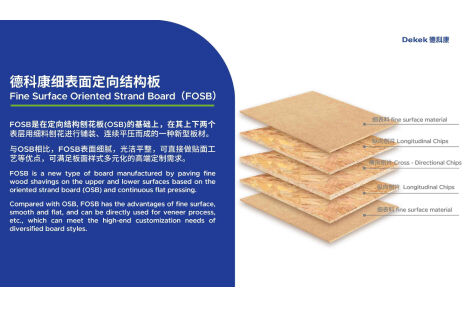
The plywood OSB board demonstrates exceptional structural performance through its innovative cross-laminated construction that strategically positions wood strands in alternating directions. This engineering approach creates a panel that resists bending, twisting, and warping forces more effectively than conventional wood products. The oriented strand configuration distributes loads evenly across the entire panel surface, preventing localized stress concentrations that can lead to failure in solid wood or lesser engineered materials. Advanced adhesive systems used in plywood OSB board manufacturing create bonds that maintain integrity under various environmental conditions, including temperature fluctuations and humidity changes commonly encountered in construction applications. The resulting durability ensures that structures built with plywood OSB board maintain their dimensional stability and load-bearing capacity over extended periods. Testing protocols demonstrate that plywood OSB board meets or exceeds building code requirements for structural applications, including floor systems, wall framing, and roof construction. The consistent density achieved during manufacturing eliminates the natural defects found in solid lumber, such as knots, grain irregularities, and growth stresses that can compromise structural integrity. This reliability allows engineers to design with confidence, knowing that each panel will perform according to established specifications. The moisture-resistant properties of plywood OSB board prevent the degradation that commonly affects other wood products in humid conditions, extending service life and reducing maintenance requirements. Quality control measures during production ensure that every plywood OSB board meets stringent standards for strength, stiffness, and dimensional tolerance. The engineering characteristics of plywood OSB board make it particularly valuable in applications where consistent performance is critical, such as manufactured housing, commercial construction, and industrial facilities where structural reliability directly impacts safety and operational efficiency.




 EN
EN