Versatile Applications Across Multiple Building Systems
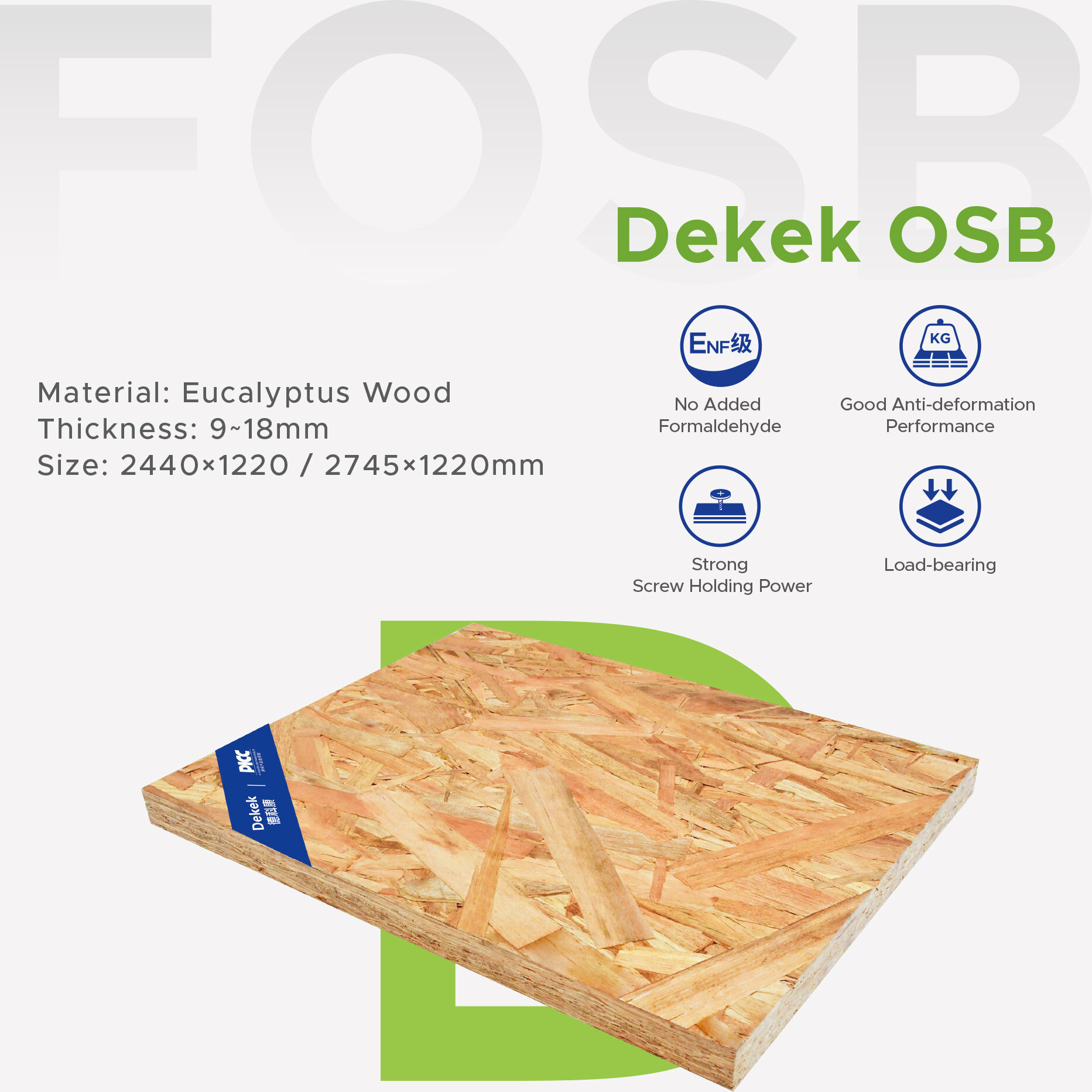
The remarkable versatility of humid resistant OSB enables its successful application across numerous building systems and construction scenarios, providing architects, engineers, and contractors with a single high-performance solution for diverse moisture-challenging environments. Subflooring applications particularly benefit from humid resistant OSB properties, as bathroom installations, laundry rooms, and kitchen areas subject floors to regular moisture exposure that can cause standard OSB to swell, warp, and create uneven surfaces that telegraph through finish flooring materials. Wall sheathing applications in coastal construction, basement installations, and high-humidity climates rely on humid resistant OSB to maintain structural integrity while resisting the moisture intrusion that can compromise building envelopes and create conditions conducive to mold growth and structural deterioration. Roofing system applications utilize humid resistant OSB as decking material in regions with high atmospheric moisture, where temperature differentials can create condensation conditions that challenge conventional wood-based products, ensuring that roof structures maintain their designed performance throughout varying seasonal conditions. Industrial and commercial applications increasingly specify humid resistant OSB for warehouse construction, food processing facilities, and manufacturing environments where process-generated moisture or cleaning procedures create challenging conditions for building materials, providing long-term durability without requiring expensive moisture control systems. Residential construction benefits from humid resistant OSB in crawl space applications, rim board installations, and other locations where building assemblies interface with potentially moist conditions, reducing callback rates and warranty claims while improving overall building performance and occupant satisfaction. The material's compatibility with standard construction techniques and tools makes it an easy substitute for conventional OSB in existing specifications, allowing construction professionals to upgrade their projects' moisture resistance without disrupting established workflows or requiring specialized installation procedures, while achieving superior long-term performance and reduced maintenance requirements.


 EN
EN