osb construction
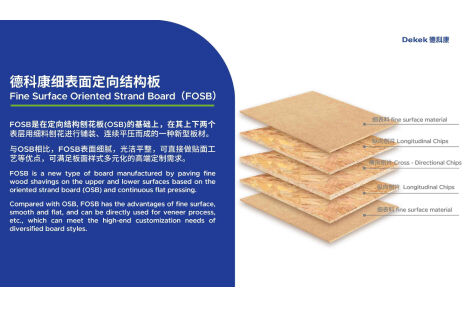
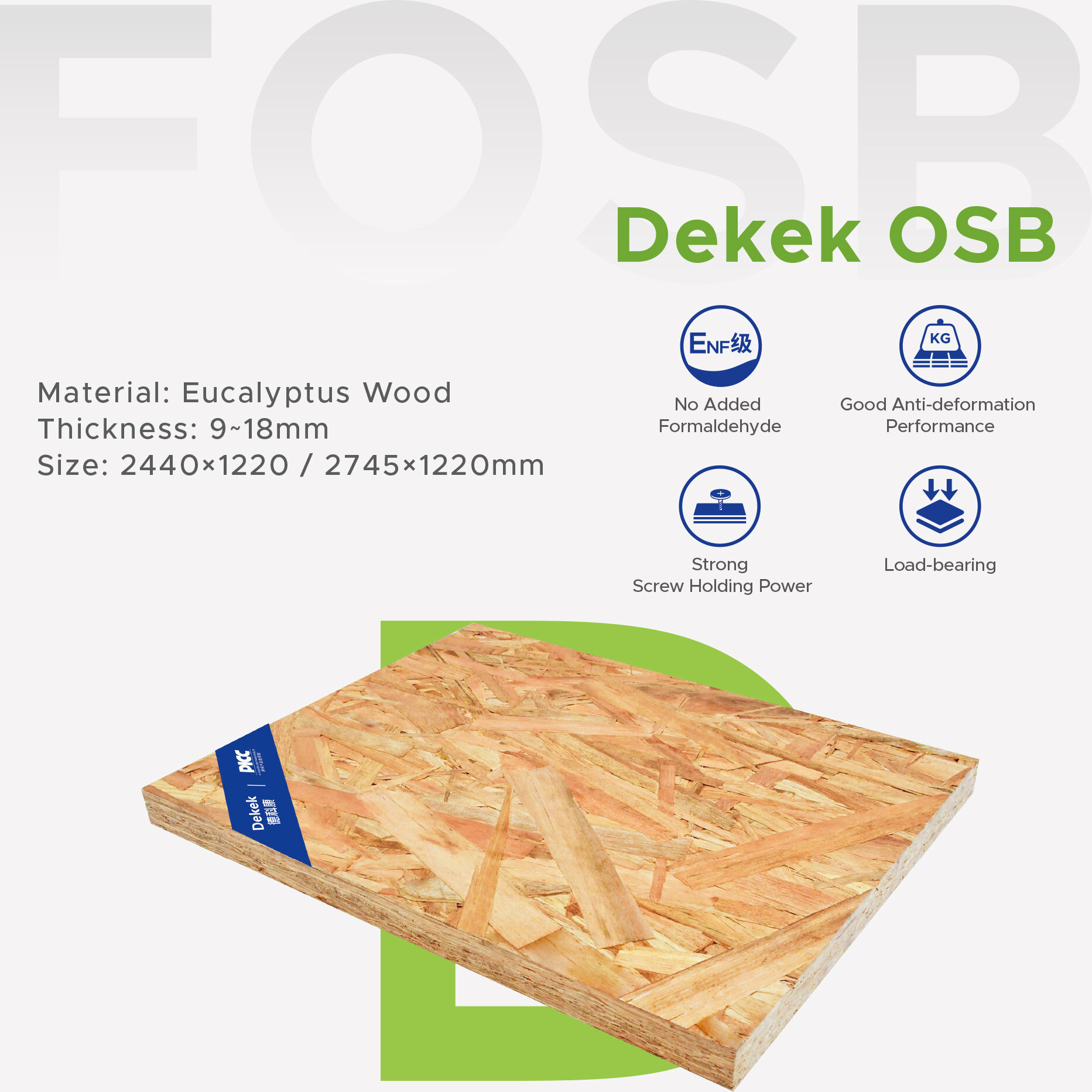
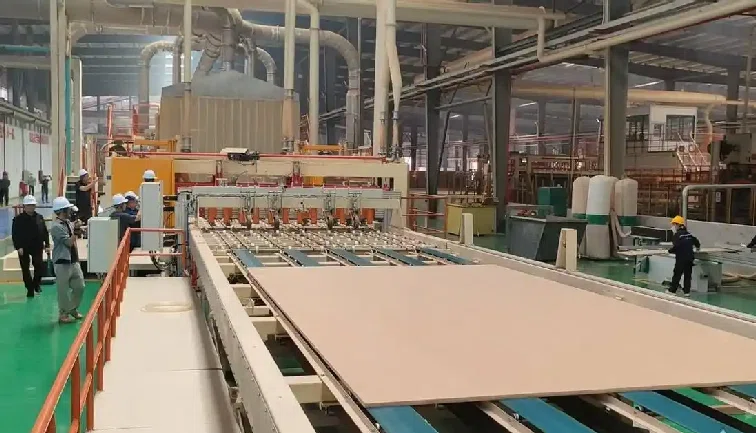
OSB construction represents a revolutionary approach to modern building techniques that has transformed the construction industry over the past several decades. Oriented Strand Board, commonly known as OSB, serves as a fundamental component in contemporary construction projects, offering exceptional structural integrity and versatility across numerous applications. This engineered wood product consists of wood strands that are strategically arranged in cross-oriented layers and bonded together using waterproof adhesives under high heat and pressure. The manufacturing process creates a composite material that delivers superior performance characteristics compared to traditional plywood and other building materials. OSB construction utilizes these panels as primary structural elements in residential, commercial, and industrial building projects. The technology behind OSB construction involves precise strand orientation, where wood fibers are aligned in specific directions to maximize strength properties. The outer layers typically feature strands oriented parallel to the panel length, while inner layers position strands perpendicular to this direction, creating a cross-laminated structure that enhances overall stability. Modern OSB construction incorporates advanced resin systems and manufacturing techniques that ensure consistent quality and performance standards. The panels undergo rigorous testing procedures to meet international building codes and standards, making them suitable for load-bearing applications in floor systems, wall assemblies, and roof decking. OSB construction has gained widespread acceptance in North America, Europe, and other regions due to its cost-effectiveness and reliable performance. The technology continues to evolve with innovations in strand processing, adhesive formulations, and surface treatments that expand the range of possible applications. Environmental considerations play a crucial role in OSB construction, as manufacturers increasingly focus on sustainable forestry practices and efficient material utilization. The construction method allows builders to achieve faster installation times while maintaining structural requirements, making it an attractive option for both residential and commercial projects seeking efficient building solutions.


 EN
EN