MDI and UF Adhesives: Superior Bonding Solutions for Industrial and Construction Applications

All Categories

Get a Free Quote

Our representative will contact you soon.
Email
WhatsApp
Name
Company Name
Message
0/1000

mdi and uf adhesives

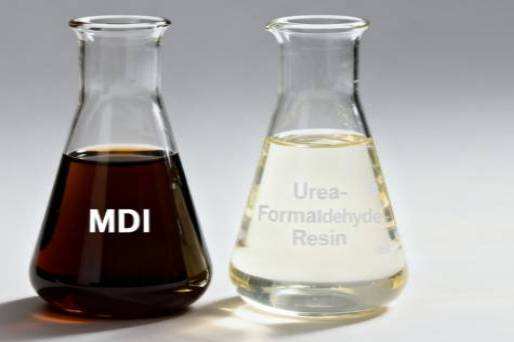
MDI and UF adhesives represent two of the most significant bonding technologies in modern manufacturing and construction industries. Methylene Diphenyl Diisocyanate (MDI) adhesives are polyurethane-based solutions that offer exceptional strength and versatility across diverse applications. These adhesives cure through moisture reaction, creating robust chemical bonds that withstand extreme conditions. Urea-Formaldehyde (UF) adhesives, on the other hand, are thermosetting resins known for their cost-effectiveness and reliable performance in wood-based products. Both MDI and UF adhesives serve critical roles in furniture manufacturing, construction materials, and industrial applications. The technological foundation of MDI and UF adhesives stems from advanced polymer chemistry that enables superior adhesion properties. MDI adhesives excel in applications requiring flexibility and impact resistance, making them ideal for automotive, aerospace, and marine industries. Their ability to bond dissimilar materials sets them apart from conventional adhesives. UF adhesives demonstrate remarkable heat resistance and dimensional stability, particularly valuable in particleboard, plywood, and medium-density fiberboard production. The curing mechanisms of MDI and UF adhesives differ significantly, with MDI systems offering faster processing times and UF systems providing excellent long-term durability. Modern formulations of both adhesive types incorporate advanced additives that enhance performance characteristics such as moisture resistance, fire retardancy, and UV stability. Manufacturing processes utilizing MDI and UF adhesives benefit from improved production efficiency and reduced waste. The environmental considerations surrounding both adhesive systems have led to innovative low-emission formulations that meet stringent regulatory requirements while maintaining superior bonding performance.

New Product Releases

The advantages of MDI and UF adhesives extend far beyond basic bonding capabilities, offering manufacturers and end-users substantial practical benefits that directly impact productivity and product quality. MDI adhesives provide exceptional temperature resistance, maintaining bond integrity from minus 40 degrees Celsius to over 120 degrees Celsius, making them suitable for applications in extreme environments. This temperature stability translates to longer product lifecycles and reduced maintenance costs for businesses. The moisture resistance of MDI and UF adhesives ensures reliable performance in high-humidity conditions, preventing delamination and structural failures that could result in costly repairs or replacements. Users benefit from the rapid curing properties of these adhesives, which significantly reduce production cycle times and increase manufacturing throughput. The strong initial tack of MDI and UF adhesives eliminates the need for extensive clamping equipment, reducing capital investment requirements and floor space utilization. Both adhesive types demonstrate excellent gap-filling properties, accommodating surface irregularities and reducing the need for precise substrate preparation, which saves time and labor costs. The chemical resistance of MDI and UF adhesives protects bonded assemblies from degradation caused by solvents, oils, and other industrial chemicals, ensuring long-term reliability in harsh operating environments. These adhesives offer superior creep resistance, maintaining dimensional stability under sustained loads, which is crucial for structural applications. The versatility of MDI and UF adhesives allows manufacturers to streamline their inventory by using fewer adhesive types across multiple applications. Cost savings emerge from reduced material waste due to the precise application capabilities and extended pot life of properly formulated systems. The excellent aging characteristics of both adhesive types ensure that bonded products maintain their performance over extended periods, reducing warranty claims and enhancing customer satisfaction. Environmental benefits include reduced VOC emissions compared to solvent-based alternatives, supporting corporate sustainability goals while maintaining superior performance standards.

Latest News

The Forming Process of Dekek FOSB

22

Aug

The Forming Process of Dekek FOSB

View More
What are the Differences Between Dekek FOSB, MDF, PB, and Plywood?

31

Oct

What are the Differences Between Dekek FOSB, MDF, PB, and Plywood?

View More
MDI Adhesive vs. Urea-Formaldehyde Adhesive: Choosing Healthy Materials for Your Home

07

Nov

MDI Adhesive vs. Urea-Formaldehyde Adhesive: Choosing Healthy Materials for Your Home

View More
How to Install Wall Panels for Stylish and Practical Results

21

Oct

How to Install Wall Panels for Stylish and Practical Results

View More

Get a Free Quote

Our representative will contact you soon.
Email
WhatsApp
Name
Company Name
Message
0/1000

mdi and uf adhesives

Superior Bonding Strength and Durability Performance

Superior Bonding Strength and Durability Performance

The exceptional bonding strength of MDI and UF adhesives represents their most compelling advantage, delivering structural integrity that exceeds traditional bonding methods by significant margins. These adhesives create molecular-level bonds with substrate materials, resulting in joint strengths that often surpass the strength of the materials being bonded. In laboratory testing, MDI and UF adhesives consistently demonstrate tensile strengths exceeding 3000 PSI, with some formulations achieving over 5000 PSI under optimal conditions. This superior strength translates directly into enhanced product reliability and extended service life for end-users. The durability performance of MDI and UF adhesives encompasses resistance to fatigue cycling, thermal cycling, and environmental stressors that would compromise lesser bonding systems. Real-world applications demonstrate that products bonded with these adhesives maintain their structural integrity for decades, even under continuous stress and exposure to harsh conditions. The cross-linked polymer network formed during curing creates a three-dimensional matrix that distributes stress evenly across the bond line, preventing localized failure points that could lead to catastrophic joint failure. This stress distribution capability makes MDI and UF adhesives particularly valuable in applications where safety and reliability are paramount, such as aerospace components, automotive assemblies, and structural building elements. The chemical composition of both adhesive types allows for molecular entanglement with substrate materials, creating mechanical interlocking at the microscopic level that enhances bond durability. Long-term exposure studies confirm that properly cured MDI and UF adhesives maintain over 90 percent of their initial bond strength after ten years of service, demonstrating exceptional aging characteristics that protect investment value and reduce lifecycle costs for businesses and consumers.
Versatile Application Compatibility and Processing Flexibility

Versatile Application Compatibility and Processing Flexibility

The remarkable versatility of MDI and UF adhesives enables their successful application across an unprecedented range of materials and manufacturing processes, making them indispensable solutions for diverse industrial requirements. These adhesives bond effectively to wood, metal, plastic, foam, fabric, glass, and composite materials, eliminating the need for multiple specialized adhesive systems and simplifying inventory management for manufacturers. The compatibility extends to both porous and non-porous substrates, with formulations available for specific material combinations that optimize bond performance. Processing flexibility represents another significant advantage, as MDI and UF adhesives accommodate various application methods including spray application, roll coating, brush application, and automated dispensing systems. This adaptability allows manufacturers to integrate these adhesives into existing production lines without major equipment modifications, reducing implementation costs and minimizing production disruptions. The wide range of viscosities available enables precise application control, from low-viscosity formulations that penetrate deeply into porous substrates to high-viscosity systems that provide excellent gap-filling capabilities. Temperature processing windows for MDI and UF adhesives span from room temperature curing systems to elevated temperature formulations, providing manufacturers with options that match their specific production requirements and equipment capabilities. The pot life characteristics can be tailored through catalyst selection and environmental control, allowing for batch processing or continuous production scenarios. These adhesives demonstrate excellent shelf stability when properly stored, maintaining their performance characteristics for extended periods without degradation. The ability to modify cure speed through temperature and humidity control provides additional processing flexibility, enabling manufacturers to optimize cycle times based on production demands and quality requirements.
Environmental Safety and Regulatory Compliance Benefits

Environmental Safety and Regulatory Compliance Benefits

Environmental safety and regulatory compliance represent increasingly critical factors in adhesive selection, where MDI and UF adhesives demonstrate significant advantages through their low-emission formulations and compliance with stringent international standards. Modern formulations of both adhesive types achieve ultra-low formaldehyde emissions, meeting or exceeding requirements set by CARB (California Air Resources Board), EPA (Environmental Protection Agency), and European E1 standards for indoor air quality protection. This compliance eliminates regulatory barriers and enables manufacturers to access global markets without reformulation requirements. The reduced volatile organic compound (VOC) content of advanced MDI and UF adhesives supports corporate sustainability initiatives while maintaining superior performance characteristics, allowing companies to meet environmental goals without compromising product quality. These adhesives contribute to green building certifications including LEED (Leadership in Energy and Environmental Design) and other sustainable construction standards, adding value for architects, builders, and end-users seeking environmentally responsible materials. The manufacturing process improvements enabled by these adhesives reduce energy consumption through lower curing temperatures and shorter cycle times, contributing to reduced carbon footprints for production facilities. Waste reduction benefits emerge from the precise application capabilities and high transfer efficiency of properly formulated systems, minimizing material consumption and disposal requirements. The durability characteristics of MDI and UF adhesives extend product lifecycles, reducing replacement frequency and associated environmental impacts from manufacturing, transportation, and disposal activities. Safety improvements for workers include reduced exposure to hazardous solvents and improved handling characteristics that minimize health risks during application and curing processes. The water-based formulations available in both adhesive types eliminate fire hazards associated with solvent-based alternatives while maintaining excellent performance properties that meet demanding application requirements.

Get a Free Quote

Our representative will contact you soon.
Email
WhatsApp
Name
Company Name
Message
0/1000