
Decorative boards serve as both functional and aesthetic elements in modern construction and interior design projects. However, exposure to moisture and daily wear can significantly compromise their integrity and appearance over time. Understanding proper protection methods is essential for maintaining the longevity and visual appeal of these materials. Marine plywood stands out as one of the most reliable solutions for environments where moisture resistance and durability are paramount concerns.
The construction industry has witnessed increasing demand for materials that can withstand harsh environmental conditions while maintaining their structural properties. Decorative boards, particularly those used in exterior applications or high-moisture areas, face constant challenges from humidity, temperature fluctuations, and physical stress. Implementing comprehensive protection strategies ensures these materials deliver long-term performance while preserving their aesthetic qualities.
Water infiltration occurs through various pathways in decorative boards, including surface absorption, edge penetration, and structural gaps. The cellular structure of wood-based materials creates natural channels for moisture movement, making proper sealing and treatment essential. Marine plywood addresses these vulnerabilities through specialized manufacturing processes that minimize water absorption rates and enhance dimensional stability under varying moisture conditions.
Surface porosity plays a critical role in determining how quickly moisture penetrates decorative boards. Materials with higher porosity rates experience faster water uptake, leading to swelling, warping, and potential delamination. Understanding these mechanisms helps in selecting appropriate protective measures and identifying areas that require additional attention during installation and maintenance procedures.
Early detection of moisture damage prevents extensive repairs and material replacement costs. Visual indicators include surface discoloration, edge swelling, and separation of laminated layers. Marine plywood exhibits superior resistance to these common problems due to its waterproof adhesive formulation and tight grain structure that minimizes moisture penetration pathways.
Dimensional changes represent another significant concern when decorative boards absorb moisture. Expansion and contraction cycles create stress within the material structure, potentially causing cracking, splitting, or joint failure. Monitoring these changes through regular inspections allows for timely intervention and prevents progressive damage that compromises both appearance and functionality.
Professional-grade sealers provide the first line of defense against moisture infiltration in decorative board applications. These products form protective barriers that repel water while allowing natural moisture vapor transmission. The selection of appropriate sealers depends on the specific board material, environmental exposure, and intended use patterns within the installation area.
Application techniques significantly influence sealer effectiveness and longevity. Proper surface preparation, including cleaning and light sanding, ensures optimal adhesion between the sealer and substrate. Multiple thin coats typically provide better protection than single thick applications, allowing each layer to cure completely before applying subsequent treatments.
Board edges represent the most vulnerable areas for moisture penetration due to exposed grain structure and cut surfaces. Marine plywood manufacturing processes include edge sealing treatments that provide enhanced protection compared to standard decorative boards. Additional edge treatments using specialized sealants or mechanical protection methods further improve moisture resistance performance.
Installing protective moldings or trim pieces creates physical barriers that shield exposed edges from direct moisture contact. These elements also contribute to the overall aesthetic design while serving functional protective purposes. Proper installation includes sealing gaps between trim pieces and the main board surface to prevent water accumulation in concealed areas.
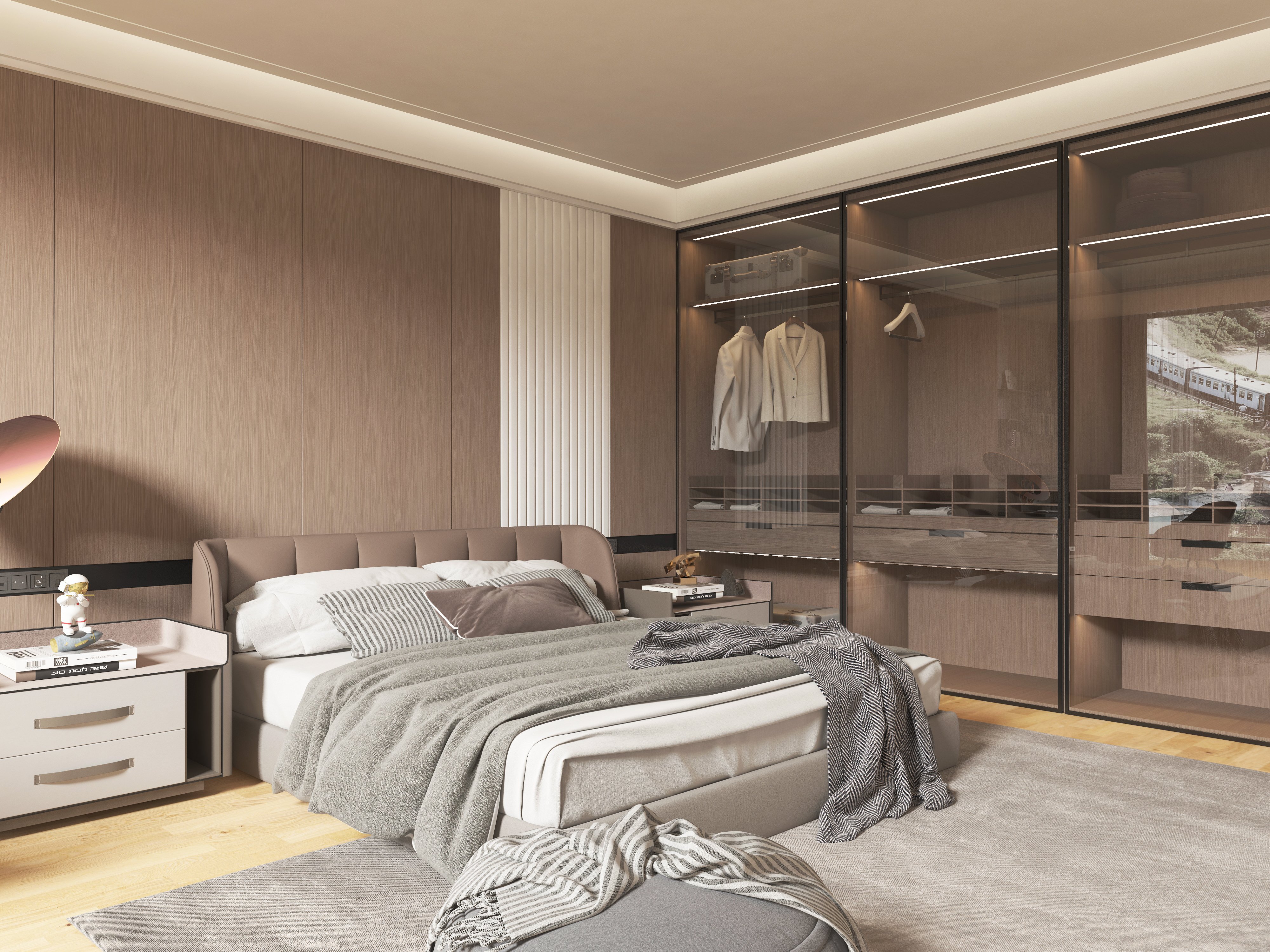
Film-forming protective coatings create continuous barriers that effectively block moisture penetration while enhancing surface durability. These systems include polyurethane, acrylic, and specialized marine-grade formulations designed for extreme exposure conditions. The choice of coating system depends on factors such as UV exposure, temperature ranges, and expected service life requirements.
Application parameters critically affect coating performance, including temperature, humidity, and surface preparation quality. Professional application techniques ensure uniform coverage and proper film thickness, which directly correlates with protective effectiveness. Marine plywood substrates provide excellent coating adhesion properties due to their smooth, uniform surface characteristics and low moisture content.
Penetrating treatments work by impregnating the board structure with water-repelling chemicals that maintain natural appearance while providing internal protection. These systems offer advantages in applications where surface film formation might interfere with adhesion or aesthetic requirements. The depth of penetration determines treatment effectiveness and durability under service conditions.
Chemical composition of penetrating treatments includes various hydrophobic compounds that modify wood cell structure to resist moisture absorption. Application methods range from brush application to pressure impregnation, depending on board thickness and desired penetration depth. Regular reapplication schedules maintain treatment effectiveness as active compounds gradually leach from the substrate over time.
Daily wear protection requires treatments that enhance surface hardness and abrasion resistance without compromising moisture protection properties. Surface hardening compounds penetrate the upper layers of decorative boards, creating durable wear surfaces that resist scratching, denting, and traffic-related damage. Marine plywood responds particularly well to these treatments due to its dense, uniform surface structure.
Chemical hardening agents work by cross-linking surface fibers and filling microscopic voids that contribute to wear susceptibility. The resulting surface exhibits improved resistance to impact damage and maintains its appearance under high-traffic conditions. Application timing is critical, as treatments must penetrate adequately before surface curing prevents deeper impregnation.
Overlay systems provide removable or permanent protection for decorative boards subjected to heavy use patterns. These systems include high-performance films, fabric reinforcements, and composite overlays that distribute loads and prevent direct contact with the underlying substrate. Selection criteria include transparency requirements, expected service life, and compatibility with existing finishes.
Installation of protective overlays requires careful attention to air bubble elimination and edge sealing to prevent moisture infiltration beneath the protective layer. Professional installation techniques ensure optimal adhesion and performance while maintaining the aesthetic qualities of the underlying decorative board surface. Regular inspection and maintenance of overlay systems prevent small problems from developing into major protection failures.
Different climate conditions require tailored protection approaches for decorative boards. Humid environments demand enhanced vapor barrier properties and fungal resistance, while arid climates focus on UV protection and dimensional stability. Marine plywood formulations address these varying requirements through climate-specific adhesive systems and treatment options that maintain performance across diverse environmental conditions.
Seasonal variation cycles create additional challenges for decorative board protection systems. Expansion and contraction patterns must be accommodated through flexible sealing materials and joint designs that prevent stress concentration. Understanding local climate patterns helps in developing maintenance schedules that address protection system needs before damage occurs.
Protective treatments and coatings can significantly influence indoor air quality through volatile organic compound emissions and chemical off-gassing. Low-emission formulations provide effective protection while maintaining healthy interior environments. Marine plywood products typically incorporate low-formaldehyde adhesives that contribute to better indoor air quality compared to standard decorative board materials.
Ventilation requirements vary based on the types of protective treatments applied and the enclosed volume of the installation space. Proper ventilation during application and curing periods ensures occupant safety and optimal treatment performance. Long-term air quality monitoring helps identify any issues with protective system compatibility in sensitive indoor environments.
Systematic inspection protocols identify early signs of protection system failure before extensive damage occurs. Visual assessments focus on surface condition, edge integrity, and coating adhesion quality. Documentation of inspection results provides valuable data for predicting maintenance needs and optimizing protection system performance over time.
Moisture content monitoring using specialized meters helps track the effectiveness of protection systems in preventing water infiltration. Marine plywood exhibits stable moisture content readings when properly protected, serving as a benchmark for evaluating protection system integrity. Regular monitoring establishes baseline values that indicate when maintenance interventions are necessary.
Proactive maintenance approaches extend the service life of both decorative boards and their protection systems. Cleaning protocols remove contaminants that can compromise protective barriers, while minor repairs prevent small problems from escalating into major failures. Scheduled reapplication of surface treatments maintains protection effectiveness throughout the expected service life.
Documentation of maintenance activities provides valuable data for optimizing future protection strategies and budgeting for system lifecycle costs. Tracking treatment performance under specific conditions helps identify the most effective products and application methods for similar future installations. This data-driven approach improves overall protection system reliability and cost-effectiveness.
Marine plywood utilizes waterproof adhesives and high-quality veneers that resist moisture penetration and delamination. The manufacturing process includes strict quality controls that eliminate voids and gaps common in standard boards. This construction provides superior dimensional stability and longevity in moisture-prone environments, making it the preferred choice for demanding applications where standard boards would fail prematurely.
Reapplication frequency depends on environmental exposure, traffic levels, and coating type. Exterior applications typically require renewal every 2-3 years, while interior installations may last 5-7 years between treatments. High-traffic areas need more frequent attention, with annual touch-ups for heavily used surfaces. Regular inspection helps determine optimal reapplication timing based on actual coating condition rather than fixed schedules.
Minor moisture damage can sometimes be stabilized through specialized treatments, but significant structural damage typically requires board replacement. Early intervention with appropriate drying and stabilization techniques may prevent further deterioration. However, swelling, delamination, or fungal growth usually indicates that protection systems have failed beyond the point where surface treatments alone can restore integrity.
Effective edge sealing combines penetrating treatments followed by film-forming barriers for maximum protection. Marine plywood edges benefit from initial treatment with penetrating sealers that impregnate the exposed grain structure. Subsequently applied edge banding or specialized sealants create physical barriers against moisture infiltration. Proper joint design and installation prevent edge exposure in the first place, providing the most reliable long-term protection.

Copyright © 2026 GuangXi Dekek Group.All rights reserved.
 EN
EN


 Hot News