oriented strand board flooring
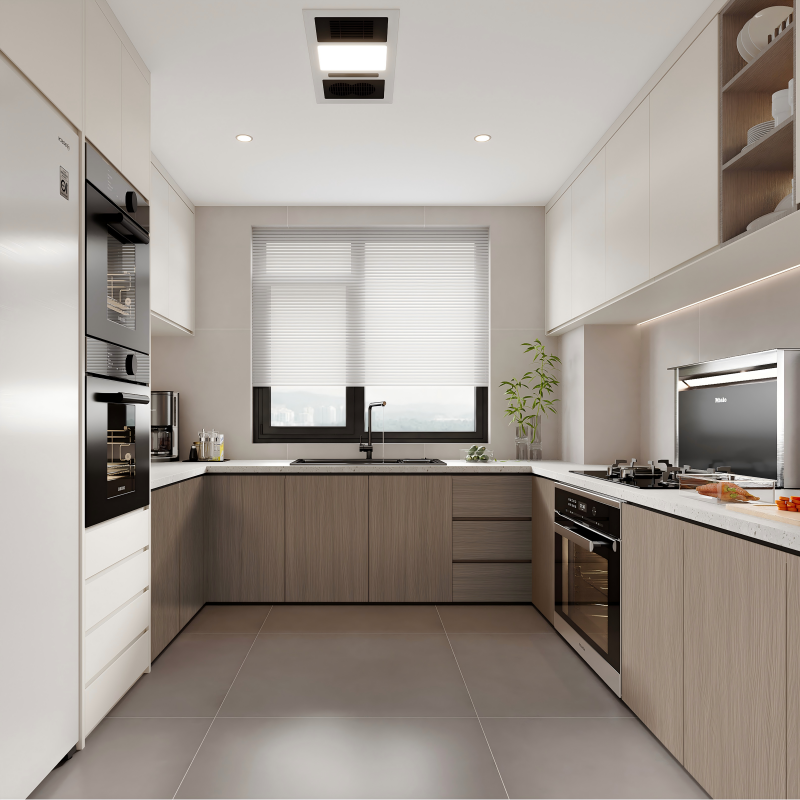
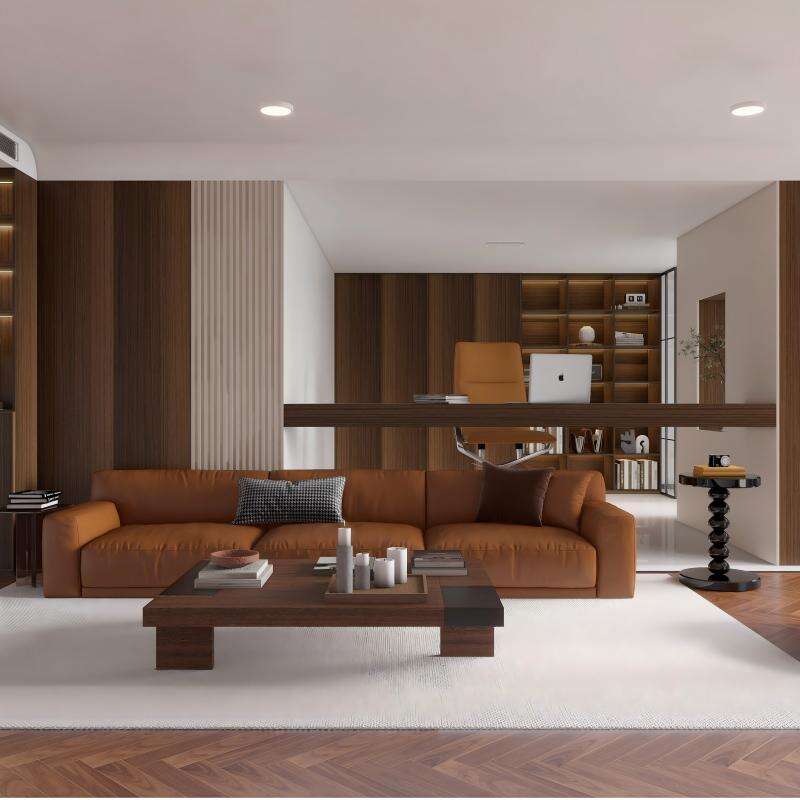
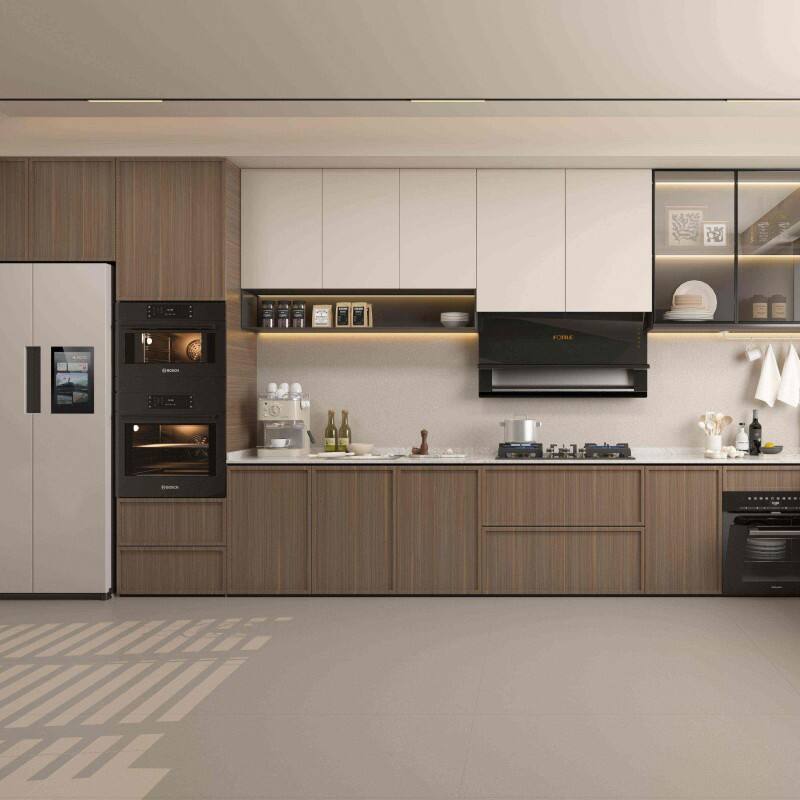
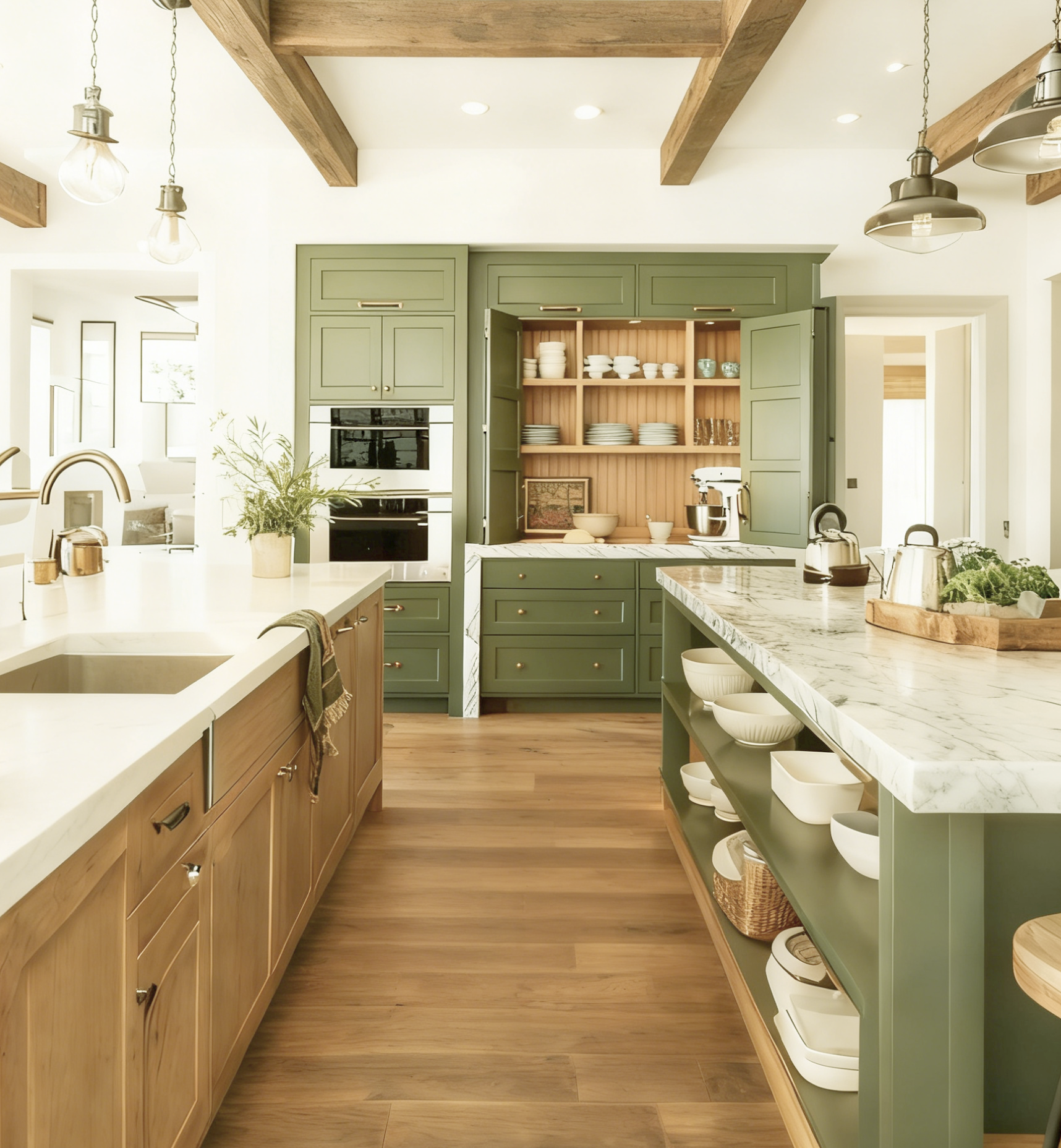
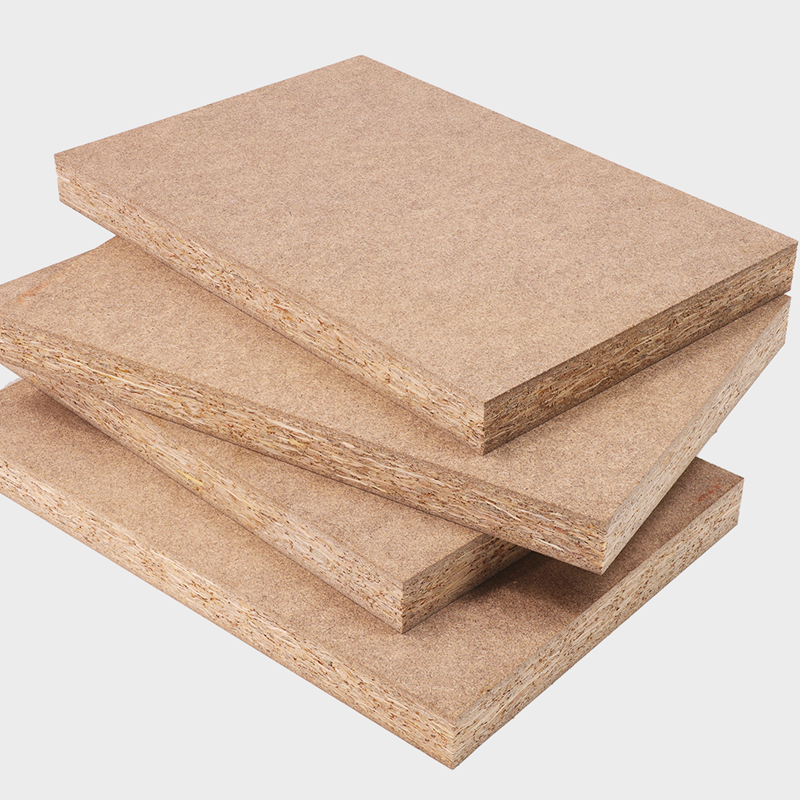
Oriented strand board flooring represents a revolutionary approach to modern flooring solutions, combining engineered wood technology with practical design principles. This innovative flooring system utilizes strategically arranged wood strands that are bonded together using advanced adhesives and manufacturing processes. The oriented strand board flooring consists of multiple layers where wood strands are positioned in specific directions to maximize structural integrity and performance characteristics. The manufacturing process involves cross-laminating these strands at precise angles, typically alternating between longitudinal and perpendicular orientations, which creates exceptional dimensional stability and resistance to warping or cupping. The technological features of oriented strand board flooring include moisture-resistant core construction, precision-milled surfaces, and integrated locking mechanisms that facilitate seamless installation. These floors incorporate advanced resin systems that enhance durability while maintaining environmental sustainability standards. The surface treatments applied to oriented strand board flooring provide superior wear resistance and aesthetic appeal through various finishing options including natural wood grains, contemporary patterns, and textured surfaces. Applications for this versatile flooring extend across residential, commercial, and institutional settings where performance and reliability are paramount. In residential environments, oriented strand board flooring excels in living areas, bedrooms, kitchens, and basements due to its moisture resistance and thermal stability. Commercial applications include retail spaces, offices, educational facilities, and healthcare environments where high traffic demands require robust flooring solutions. The engineered construction of oriented strand board flooring makes it particularly suitable for installation over concrete substrates, radiant heating systems, and areas with moderate moisture exposure. Installation versatility allows for floating floor applications, glue-down methods, or nail-down installations depending on specific project requirements. Quality control measures throughout manufacturing ensure consistent performance characteristics including dimensional accuracy, surface smoothness, and joint integrity that contribute to long-term satisfaction and reduced maintenance requirements.


 EN
EN