Consistent Quality and Manufacturing Precision
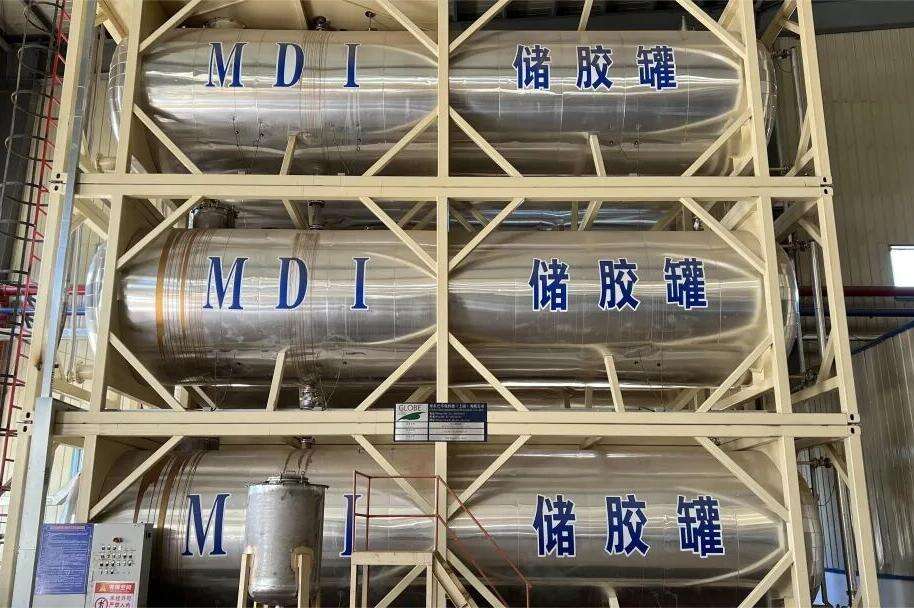
The manufacturing excellence of premium oriented strand board reflects decades of technological advancement and process optimization that delivers unparalleled consistency and quality assurance. Computer-controlled production systems monitor and adjust critical parameters throughout the manufacturing process, ensuring that each panel meets exact specifications for thickness, density, and performance characteristics. Raw material selection begins with carefully chosen wood species that provide optimal fiber characteristics, with incoming logs subjected to rigorous quality inspections that eliminate defective material before processing begins. The stranding operation utilizes precision cutting equipment that produces uniform strand dimensions with minimal variation, creating the foundation for consistent panel properties. Moisture content control systems ensure that wood strands achieve optimal moisture levels before resin application, maximizing adhesive penetration and bond strength development. Resin application technology employs computerized metering systems that deliver precise adhesive quantities uniformly across all strand surfaces, eliminating the adhesive-rich and adhesive-poor areas that can compromise performance. Blending operations utilize sophisticated mixing equipment that ensures homogeneous resin distribution while minimizing fiber damage that could reduce strength properties. Mat formation systems create uniform density distributions across panel width and length, preventing weak spots or density variations that might affect structural performance. The hot-pressing operation represents the culmination of process control excellence, with multi-zone heating systems that maintain precise temperature profiles while hydraulic systems deliver consistent pressure distribution across the entire panel surface. Real-time monitoring systems track critical parameters including temperature, pressure, and moisture evolution, automatically adjusting process conditions to maintain optimal curing conditions. Quality control testing occurs at multiple stages throughout production, with automated systems conducting continuous thickness monitoring, density verification, and visual inspection protocols. Statistical process control methodologies track performance trends and identify potential issues before they affect product quality, ensuring that each panel meets or exceeds specification requirements. Final inspection procedures include comprehensive testing for mechanical properties, dimensional accuracy, and surface quality, with detailed documentation providing traceability for each production batch.




 EN
EN