Engineering Excellence and Installation Efficiency
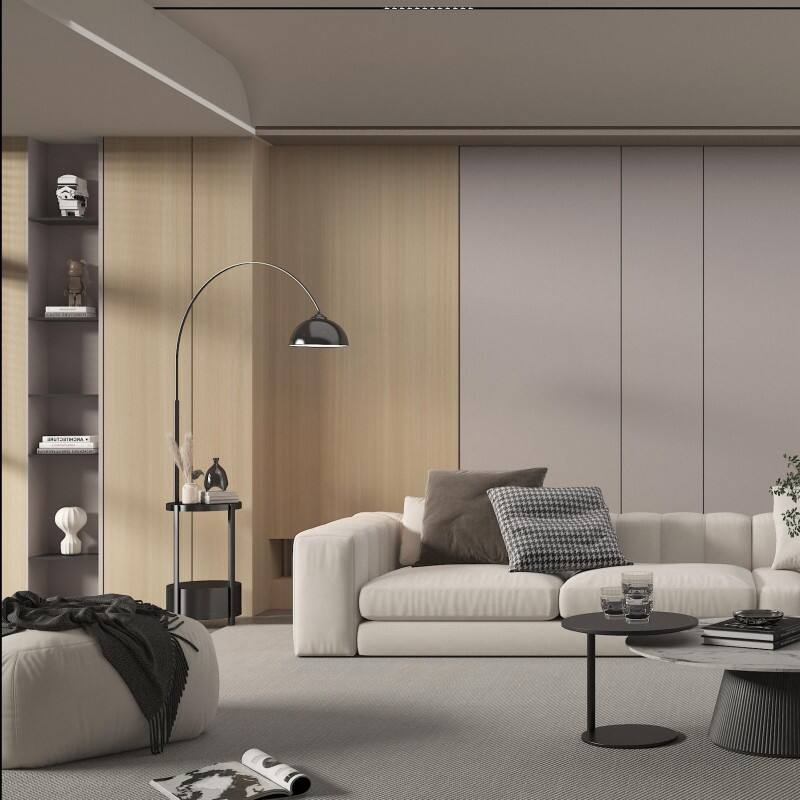
The elm decorative panel incorporates advanced engineering principles that ensure consistent performance and simplified installation procedures. Precision manufacturing controls dimensional tolerances to extremely tight specifications, eliminating the fitting issues commonly encountered with natural lumber products. This dimensional accuracy allows contractors to complete installations faster with reduced material waste and fewer callbacks for adjustments. The elm decorative panel features engineered connection systems that provide secure attachment while accommodating natural wood movement caused by seasonal moisture changes. These connection methods distribute loads evenly across mounting surfaces, preventing stress concentrations that could lead to panel damage or substrate failure. Quality control testing verifies that each elm decorative panel meets rigorous standards for strength, moisture content, and surface quality before shipment. The manufacturing process includes stress relief procedures that minimize internal tensions, reducing the likelihood of warping or splitting during installation or service. Professional installers report significant time savings when working with elm decorative panel products compared to site-assembled wood installations. Pre-finished options eliminate the need for on-site sanding, staining, and finishing operations that consume time and create dust contamination issues. The elm decorative panel system accommodates various substrate materials including drywall, concrete, steel, and existing wood surfaces through appropriate fastening methods. Thermal expansion coefficients are carefully matched to typical building materials, preventing differential movement that could cause joint separation or panel distortion. Installation guides provide detailed specifications for proper spacing, fastening patterns, and environmental considerations that ensure optimal long-term performance. The elm decorative panel design allows for future removal or reconfiguration without damaging the underlying structure, supporting renovation flexibility and sustainable building practices.




 EN
EN