
Modern home design has evolved significantly, with homeowners seeking sophisticated solutions that combine aesthetic appeal with practical functionality. Decorative wall panels have emerged as one of the most transformative elements in contemporary interior design, offering endless possibilities for creating stunning focal points and enhancing architectural details. These versatile design elements provide an immediate upgrade to any living space, whether you're renovating a single room or undertaking a complete home makeover. The strategic use of decorative wall panels can dramatically alter the perception of space, add texture and depth, and create visual interest that traditional paint or wallpaper simply cannot achieve.
Today's decorative wall panels incorporate cutting-edge materials that surpass traditional options in both durability and aesthetic appeal. High-density fiberboard, engineered wood composites, and specialized polymer blends create panels that resist moisture, temperature fluctuations, and daily wear while maintaining their pristine appearance. These materials undergo rigorous testing to ensure they meet strict quality standards for residential and commercial applications. The manufacturing process involves precision cutting, advanced surface treatments, and quality control measures that guarantee consistent performance across different environmental conditions.
The integration of smart manufacturing techniques allows for intricate patterns, textures, and finishes that were previously impossible to achieve. Computer-controlled machinery ensures perfect dimensional accuracy, while specialized coating processes create surfaces that are both beautiful and functional. Many modern decorative wall panels feature scratch-resistant surfaces, antimicrobial properties, and enhanced fire resistance ratings that make them suitable for various applications throughout the home.
Contemporary panel designs showcase an impressive array of surface treatments that mimic natural materials while offering superior performance characteristics. Wood grain patterns capture the authentic beauty of premium hardwoods without the maintenance requirements or environmental concerns associated with solid wood products. Stone and marble textures provide the luxurious appearance of natural stone at a fraction of the cost and weight, making them ideal for accent walls and feature installations.
Geometric patterns and abstract designs cater to modern aesthetic preferences, offering bold visual statements that serve as conversation pieces in any room. Three-dimensional surface treatments create dramatic shadow play and depth, particularly when combined with strategic lighting design. The variety of available textures ensures that homeowners can find decorative wall panels that complement any design style, from minimalist contemporary to traditional transitional aesthetics.
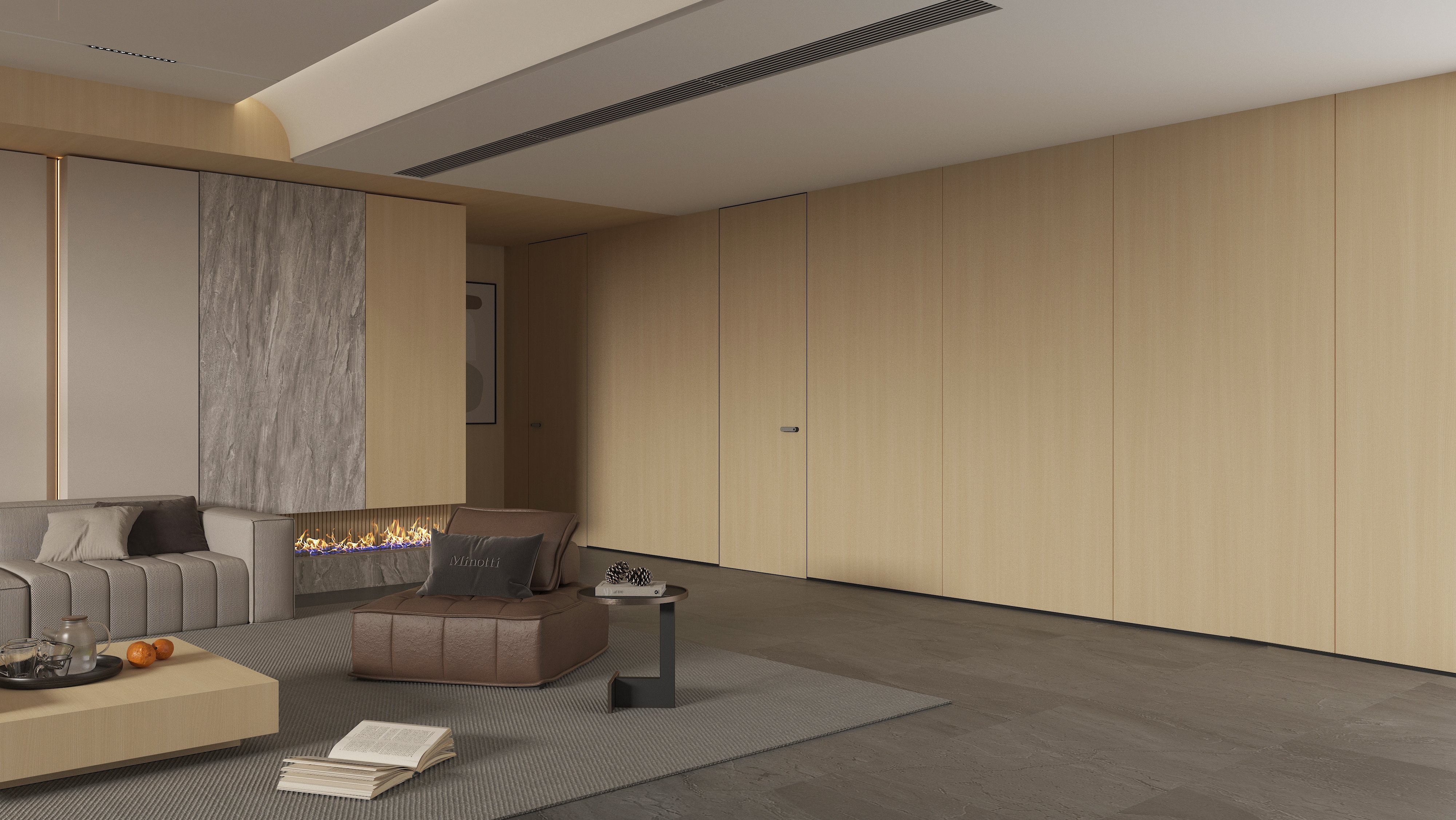
One of the most significant advantages of modern decorative wall panels lies in their streamlined installation process, which dramatically reduces both time and labor costs compared to traditional wall treatments. Most systems feature interlocking mechanisms or adhesive backing that allows for quick and efficient installation without specialized tools or extensive construction experience. This user-friendly approach makes decorative wall panels accessible to both professional contractors and ambitious DIY enthusiasts who want to transform their spaces.
The precision manufacturing ensures consistent dimensions and perfect alignment, eliminating the guesswork often associated with custom millwork or tile installation. Pre-finished surfaces mean no additional painting, staining, or sealing is required after installation, significantly reducing project timelines and minimizing disruption to daily life. Many panel systems can be installed over existing wall surfaces, eliminating the need for extensive demolition or surface preparation.
The durability and low-maintenance characteristics of quality decorative wall panels make them an excellent long-term investment for homeowners. Unlike painted surfaces that require periodic touch-ups and repainting, properly installed panels maintain their appearance for decades with minimal care. Simple cleaning with appropriate products is typically sufficient to keep panels looking fresh and new, even in high-traffic areas or challenging environments.
The resistance to common household damages such as scuffs, dents, and moisture-related issues means fewer repair costs over time. Many manufacturers offer extended warranties that provide additional peace of mind and protection against defects or premature wear. This combination of durability and aesthetic appeal makes decorative wall panels a smart choice for both immediate visual impact and long-term value retention.
Living rooms benefit tremendously from the strategic placement of decorative wall panels, particularly behind entertainment centers or as accent walls that define seating areas. The panels create visual anchor points that help organize furniture arrangements while adding sophisticated texture and depth to the space. Dark wood grain panels can create cozy, intimate atmospheres perfect for relaxation and conversation, while lighter finishes help maximize natural light and create more open, airy feelings.
Entertainment areas require special consideration for acoustics, and many decorative wall panels offer sound-dampening properties that improve audio quality while reducing noise transmission to adjacent rooms. The combination of aesthetic enhancement and functional benefits makes these panels particularly valuable in open-concept homes where living spaces flow together. Strategic lighting integration with panel installations can create dramatic effects that transform ordinary walls into stunning architectural features.
Bedrooms present unique opportunities for decorative wall panels that create intimate, restful environments while expressing personal style preferences. Headboard walls featuring textured panels eliminate the need for traditional furniture pieces while creating bold focal points that anchor the room's design. Soft, neutral tones and subtle textures promote relaxation while still providing visual interest that prevents bedrooms from feeling bland or uninspiring.
Privacy considerations make bedrooms ideal locations for sound-absorbing panel materials that reduce noise transmission and create more peaceful sleeping environments. The installation of decorative wall panels in bedrooms can also help define different functional areas within larger master suites, creating subtle transitions between sleeping, dressing, and relaxation zones without the need for permanent structural changes.
Successful integration of decorative wall panels requires careful consideration of existing color schemes and the development of complementary palettes that enhance rather than compete with other design elements. Neutral panel colors provide versatile foundations that work with changing seasonal decorations and evolving personal preferences, while still offering enough visual interest to serve as design focal points. The key lies in balancing the visual weight of textured panels with other room elements to create harmonious compositions.
Professional designers recommend considering the natural and artificial lighting conditions in each space when selecting panel colors and finishes. Rooms with abundant natural light can accommodate darker panels that might overwhelm spaces with limited daylight exposure. The interplay between panel textures and lighting creates dynamic visual effects that change throughout the day, adding another dimension to the overall design experience.
The successful integration of decorative wall panels extends beyond color matching to encompass texture coordination and proportional relationships with existing furnishings. Smooth, contemporary furniture pieces create striking contrasts against heavily textured panels, while rustic or traditional furnishings harmonize beautifully with wood grain and natural stone textures. The scale of panel patterns should complement the size of furniture pieces and room dimensions to maintain visual balance.
Accessory selection becomes more focused when decorative wall panels serve as primary design elements, allowing homeowners to choose art, lighting, and decorative objects that enhance rather than compete with the panel features. This streamlined approach often results in more sophisticated, cohesive interiors that feel purposeful and well-designed rather than cluttered or chaotic.
While quality decorative wall panels represent a significant initial investment compared to basic paint or wallpaper options, the long-term value proposition becomes clear when considering durability, maintenance requirements, and aesthetic longevity. Premium panels that feature advanced materials and sophisticated finishes typically cost more upfront but provide superior performance and appearance retention over their service life. Budget-conscious homeowners can achieve impressive results by focusing panel installations on high-impact areas rather than entire rooms.
The cost comparison becomes even more favorable when factoring in the elimination of ongoing maintenance expenses associated with painted surfaces or wallpaper replacement. Professional installation costs for decorative wall panels are often comparable to or less than custom millwork or high-end wallpaper installation, while offering superior durability and design flexibility. Many panel systems qualify for bulk pricing discounts when used throughout multiple rooms or entire homes.
Real estate professionals consistently recognize well-executed decorative wall panel installations as value-adding improvements that appeal to potential buyers and help properties stand out in competitive markets. The perceived quality and sophistication associated with professional panel installations often translates into higher appraisal values and faster sales processes. Unlike highly personalized decorative choices, quality panels typically have broad appeal that doesn't limit market appeal.
The timeless nature of many panel designs means they remain attractive and current longer than trend-driven alternatives, protecting the investment value over time. Homes featuring quality decorative wall panels often photograph better for marketing purposes, creating stronger first impressions that lead to increased showing requests and offers. This marketing advantage can be particularly valuable in markets where visual presentation significantly influences buyer decisions.
Panel thickness selection depends on several factors including the intended use, structural requirements, and aesthetic preferences. Thinner panels, typically ranging from 6mm to 12mm, work well for accent walls and areas where minimal projection is desired. Thicker panels, usually 15mm to 25mm, provide more pronounced texture and shadow effects while offering enhanced durability for high-traffic applications. Consider the existing wall conditions, as thicker panels may require additional structural support or modifications to accommodate door and window trim details.
Most modern decorative wall panels can be successfully installed over existing wallpaper provided the surface is clean, firmly adhered, and free from loose or peeling sections. Textured surfaces may require additional preparation such as skim coating or sanding to create a smooth, uniform substrate for optimal adhesion. Always consult manufacturer guidelines for specific surface preparation requirements, as some high-performance adhesives require direct contact with drywall or plaster substrates for maximum bonding strength and warranty compliance.
Regular maintenance for decorative wall panels typically involves monthly dusting with microfiber cloths and periodic cleaning with manufacturer-approved products to remove accumulated dirt and oils. High-traffic areas may benefit from weekly attention, while protected surfaces in formal spaces often require only quarterly care. Avoid abrasive cleaners or rough cleaning materials that could damage surface finishes, and address spills or stains immediately to prevent permanent damage or discoloration.
Moisture-resistant decorative wall panels specifically designed for bathroom applications feature enhanced core materials and protective coatings that resist humidity and direct water exposure. Proper ventilation remains crucial even with moisture-resistant panels, and sealing around edges and penetrations helps prevent water infiltration behind the panels. Consider consulting with professionals for bathroom installations, as proper substrate preparation and moisture barriers are essential for long-term performance in these challenging environments.

Copyright © 2026 GuangXi Dekek Group.All rights reserved.
 EN
EN


 Hot News