vintage wall panel
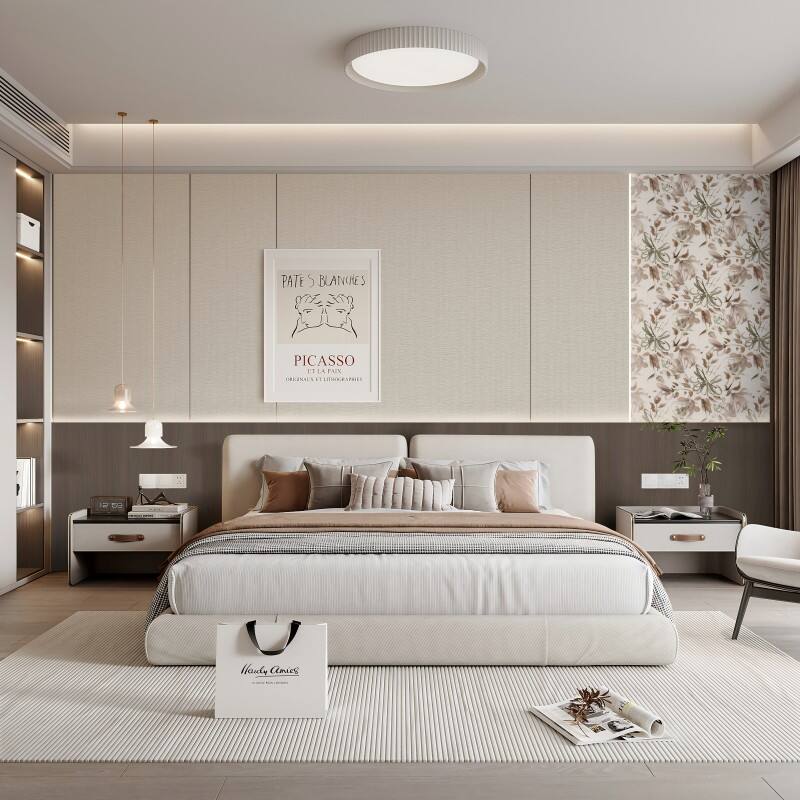
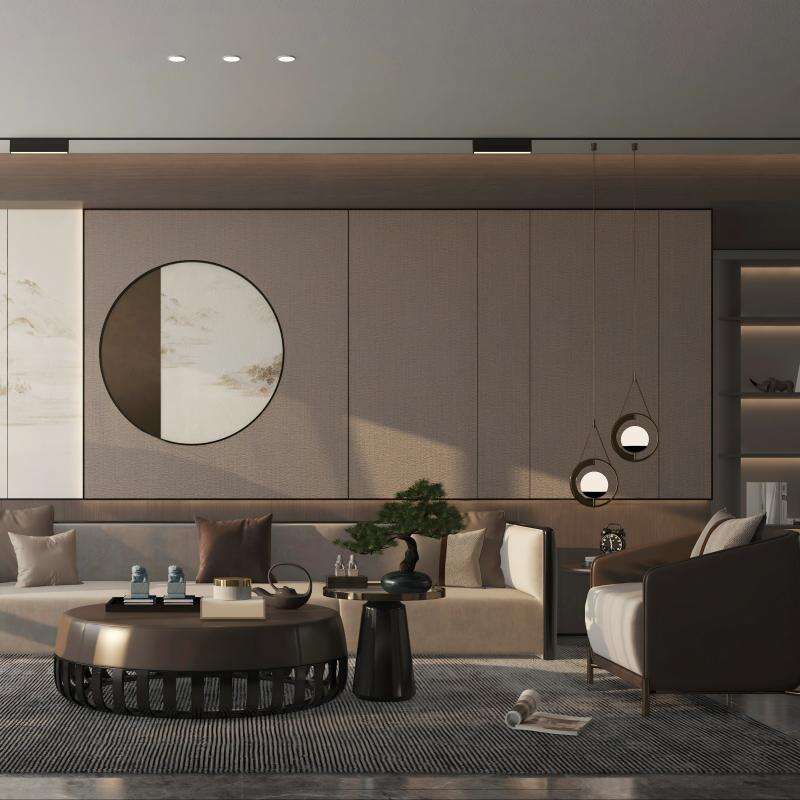
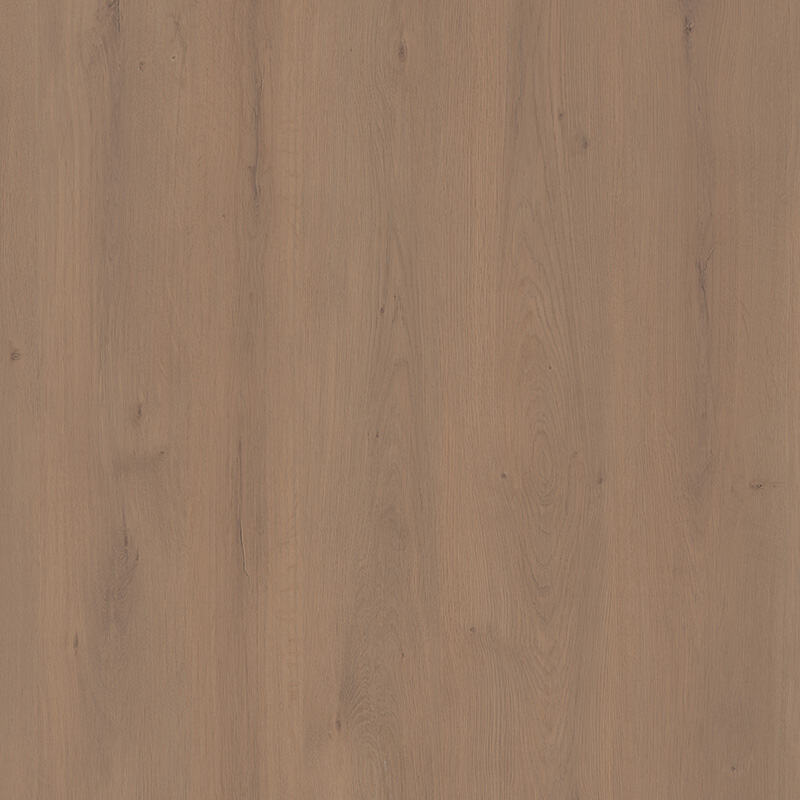
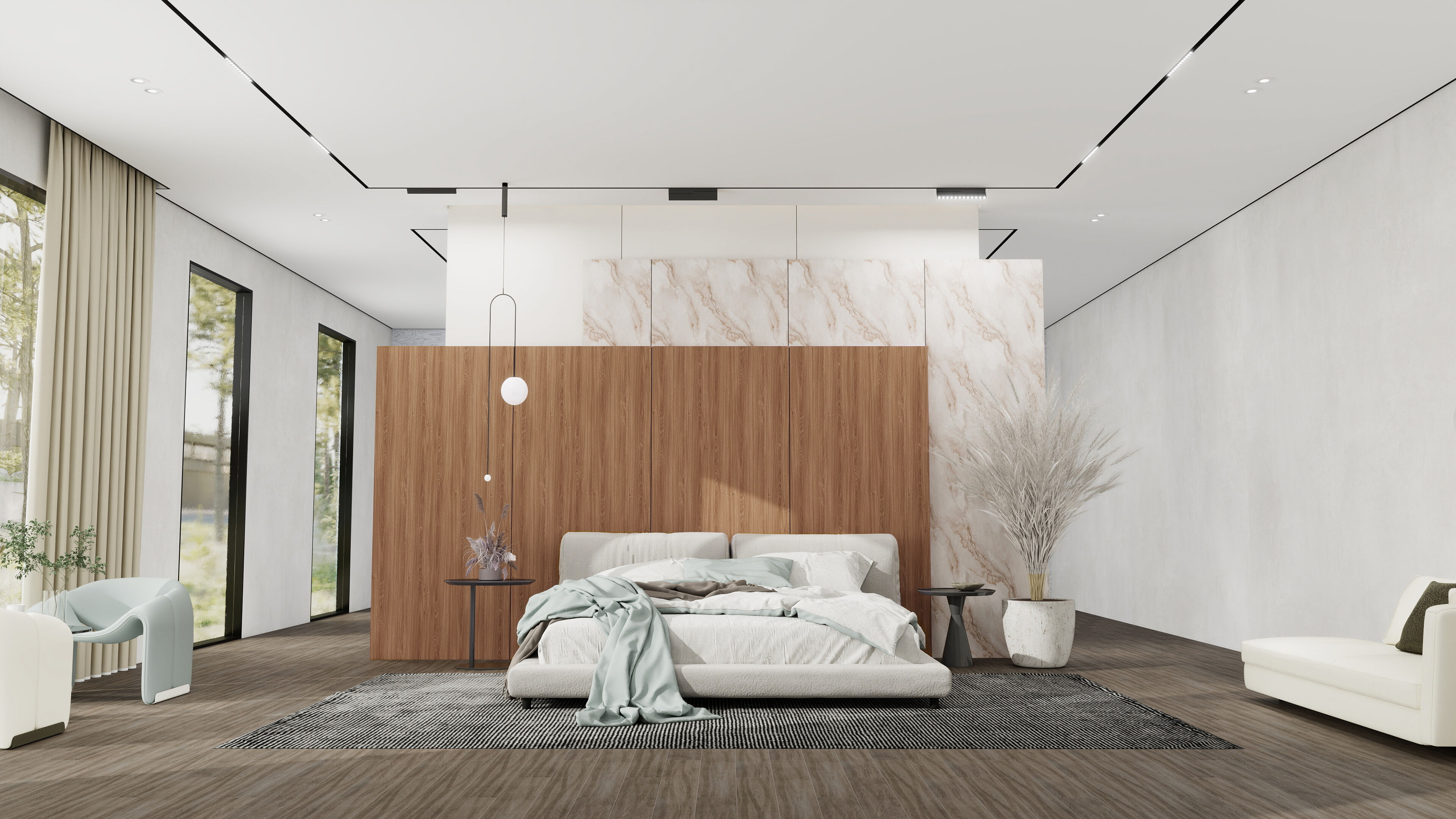
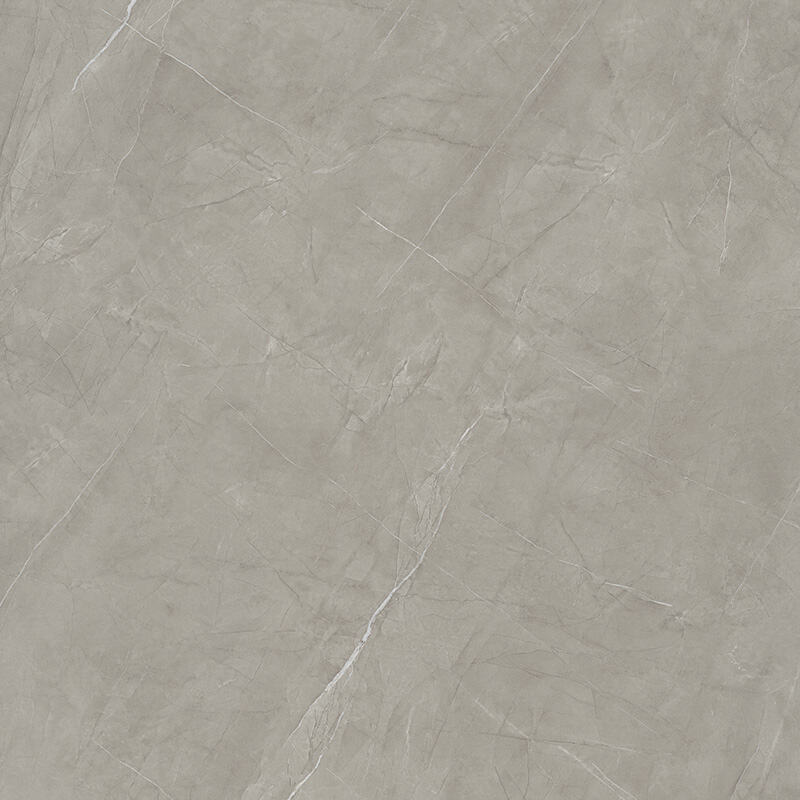
Vintage wall panels represent a sophisticated interior design solution that combines classic aesthetics with modern functionality, transforming ordinary spaces into extraordinary environments. These decorative elements serve multiple purposes in both residential and commercial settings, acting as focal points while providing practical benefits that extend beyond mere visual appeal. The vintage wall panel category encompasses various materials, textures, and designs that evoke different historical periods, from Victorian elegance to mid-century modern sophistication. The main functions of vintage wall panels include acoustic enhancement, thermal insulation, moisture protection, and architectural definition. These panels effectively reduce noise transmission between rooms while creating intimate, comfortable atmospheres. Their insulating properties help maintain consistent temperatures, contributing to energy efficiency and cost savings. The technological features of modern vintage wall panels incorporate advanced manufacturing techniques that ensure durability, easy installation, and low maintenance requirements. Many contemporary versions utilize composite materials that replicate authentic textures while offering superior performance characteristics. Installation systems have evolved to include click-lock mechanisms, adhesive backing, and modular designs that accommodate various wall surfaces and architectural constraints. Applications for vintage wall panels span numerous environments, including restaurants seeking to create warm, inviting atmospheres, offices requiring acoustic solutions without sacrificing style, residential bedrooms and living areas needing character enhancement, and retail spaces aiming to establish unique brand identities. Hotels frequently utilize vintage wall panels to create memorable guest experiences, while healthcare facilities employ them to soften institutional environments. The versatility of vintage wall panel designs allows for creative applications in unexpected spaces, such as elevator interiors, stairwells, and transitional areas that benefit from visual interest and textural variation.

 EN
EN