Versatile Applications and Easy Processing Characteristics
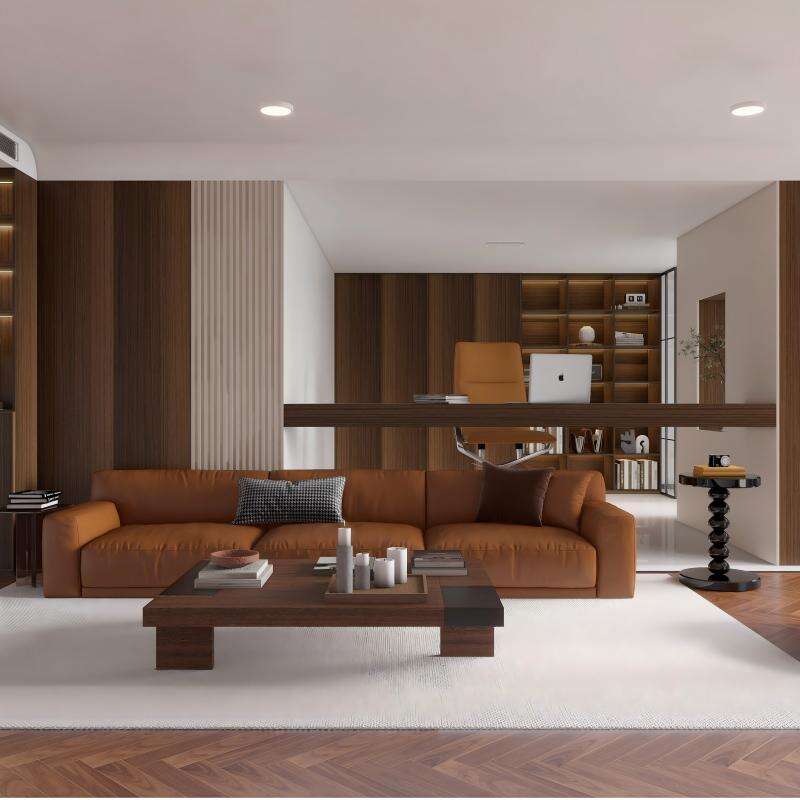
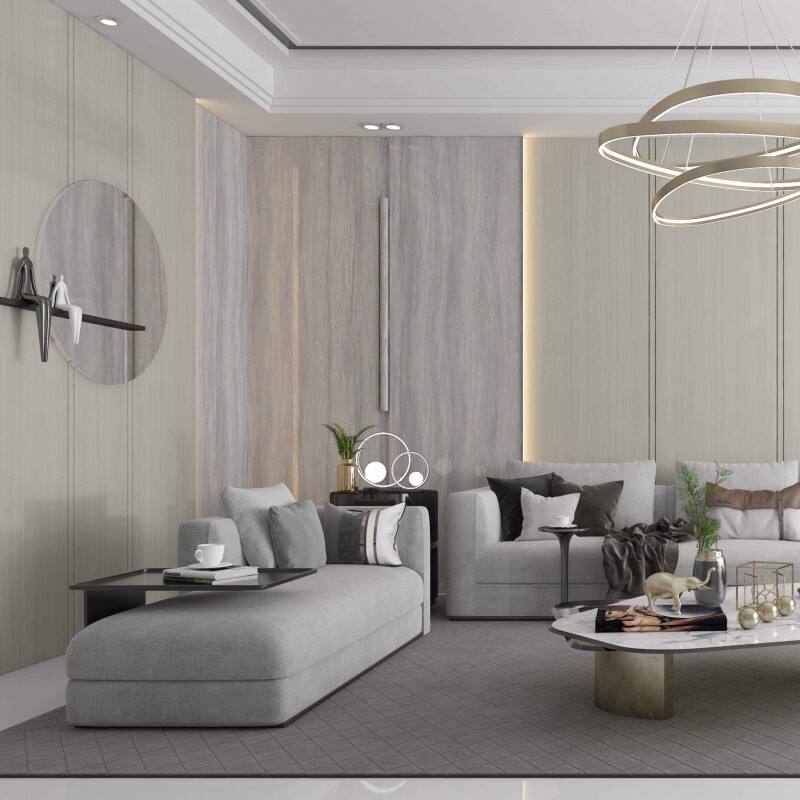
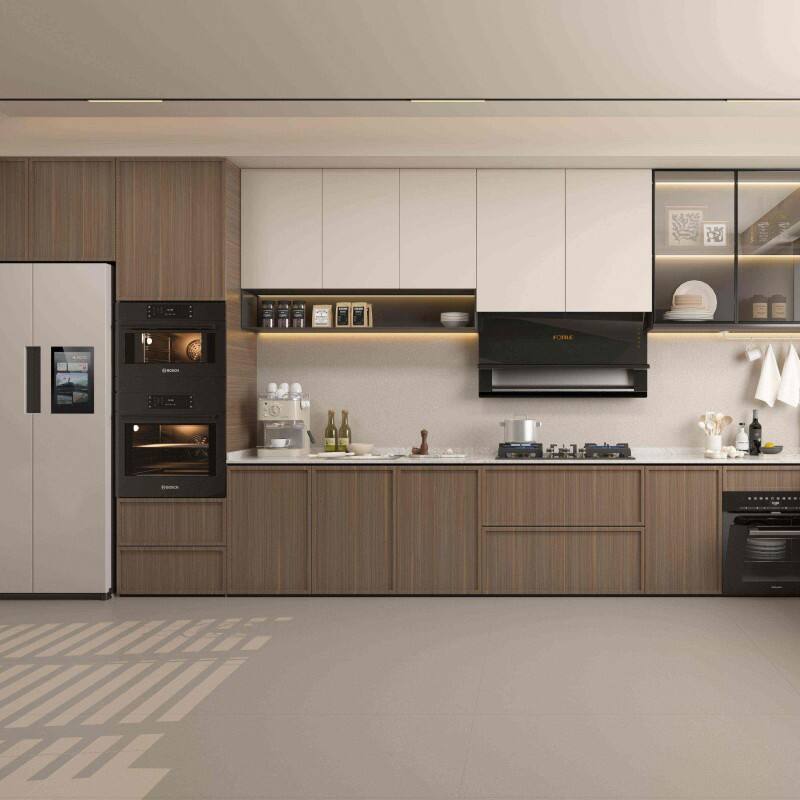
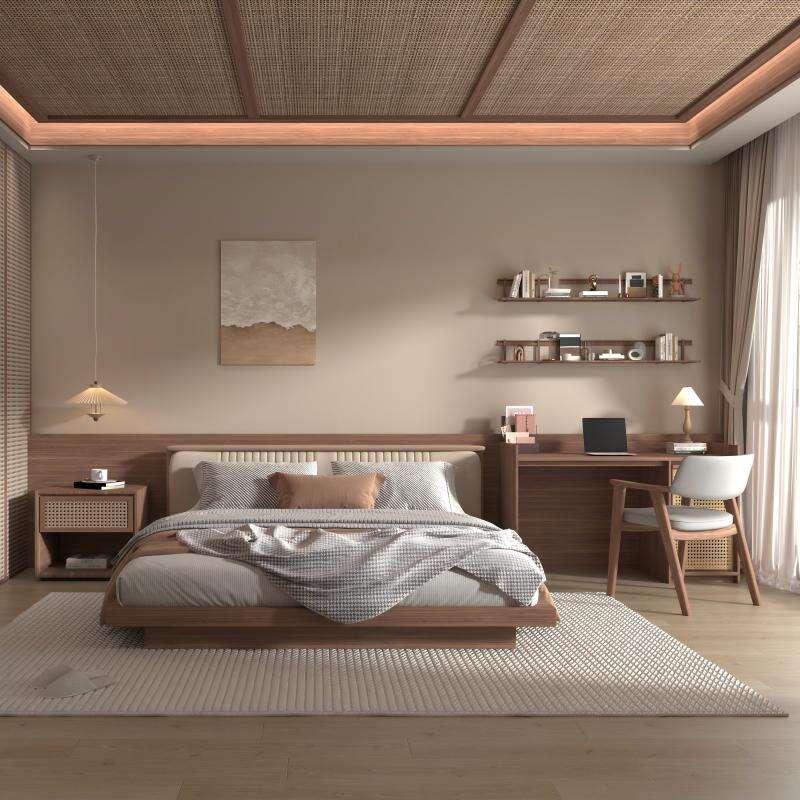
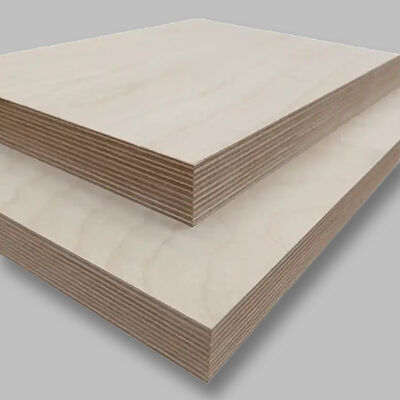
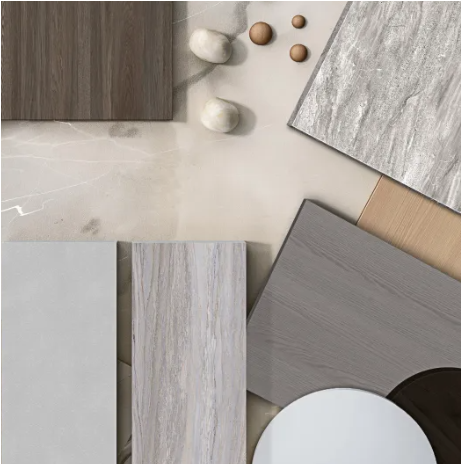
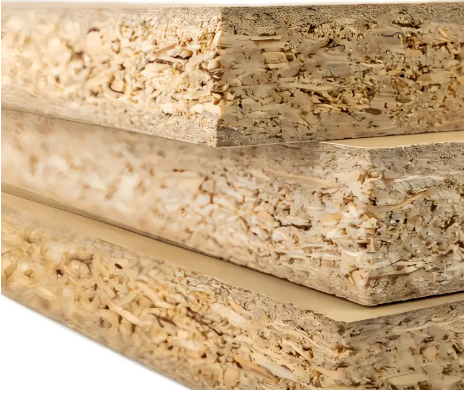
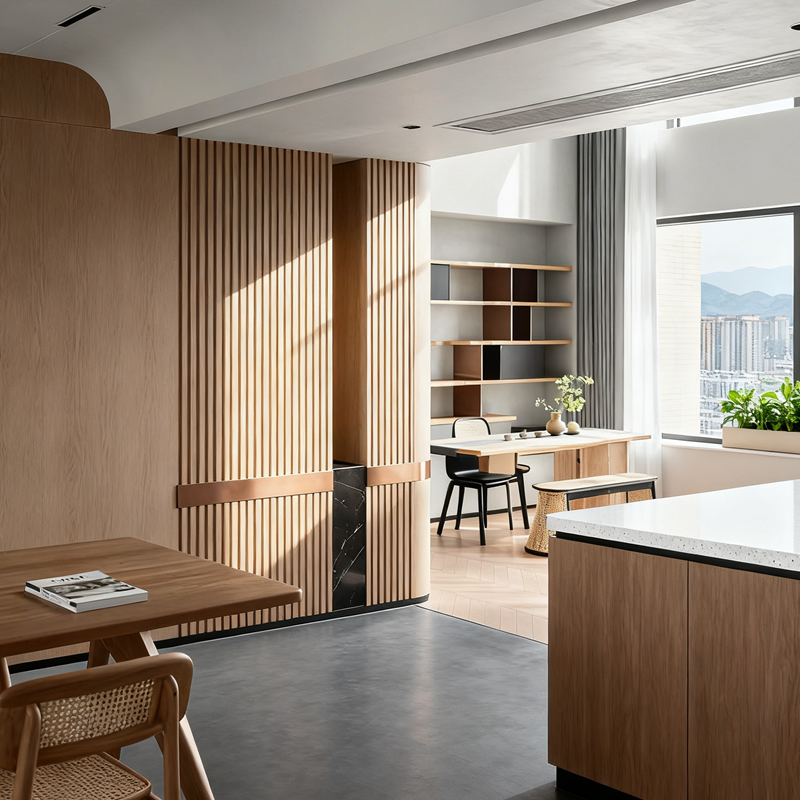
The remarkable versatility of veneer particle board makes it suitable for an extensive range of applications across residential, commercial, and industrial sectors, while its excellent processing characteristics ensure successful outcomes for users at all skill levels. This engineered material adapts seamlessly to various project requirements, from intricate furniture details to large-scale architectural installations, providing designers and builders with creative freedom to realize their visions. Cabinet manufacturers rely on veneer particle board for door panels, drawer fronts, and case construction because it machines cleanly, accepts hardware securely, and maintains dimensional accuracy throughout production processes. The uniform density and composition create consistent machining behavior, allowing for precise cutting, routing, and drilling operations that produce professional results every time. Edge banding applications benefit from the smooth, stable edges that veneer particle board provides, ensuring strong adhesion and attractive finished appearance. Furniture applications showcase the material's versatility in table tops, shelving, office desks, and storage units where the natural wood veneer surface provides authentic wood grain patterns and rich color variations. The stable substrate prevents surface checking or grain telegraphing that can occur with some composite materials, ensuring smooth, professional finishing results. Architectural millwork projects utilize veneer particle board for wainscoting, wall panels, built-in bookcases, and decorative elements where consistent quality and workability streamline installation processes. The material's compatibility with standard woodworking joints, fasteners, and adhesives makes it easy to integrate into existing construction methods and specifications. Processing advantages extend to finishing operations where the veneer surface accepts stains, paints, and clear coatings uniformly, producing rich, even color and smooth texture. The controlled moisture content and stable substrate prevent finish problems such as bubbling, poor adhesion, or uneven sheen that can plague other materials. Manufacturing efficiency improves because veneer particle board cuts to size accurately, maintains dimensional stability during processing, and produces minimal waste, contributing to cost-effective production and environmental responsibility.



 EN
EN