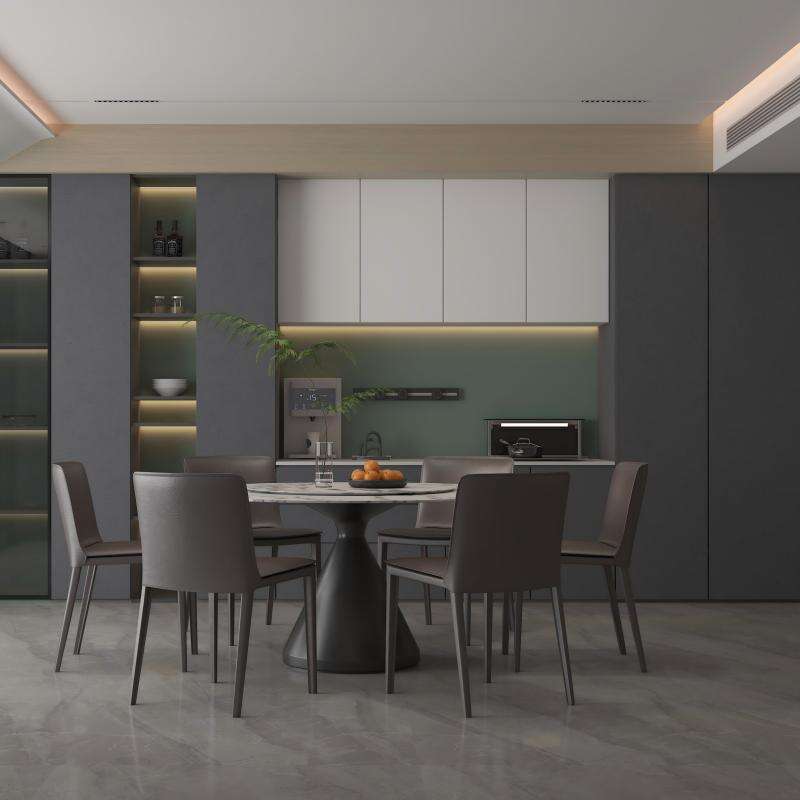
High-Quality Particle Board for Partition - Durable Interior Wall Solutions

All Categories

Get a Free Quote

Our representative will contact you soon.
Email
WhatsApp
Name
Company Name
Message
0/1000

particle board for partition

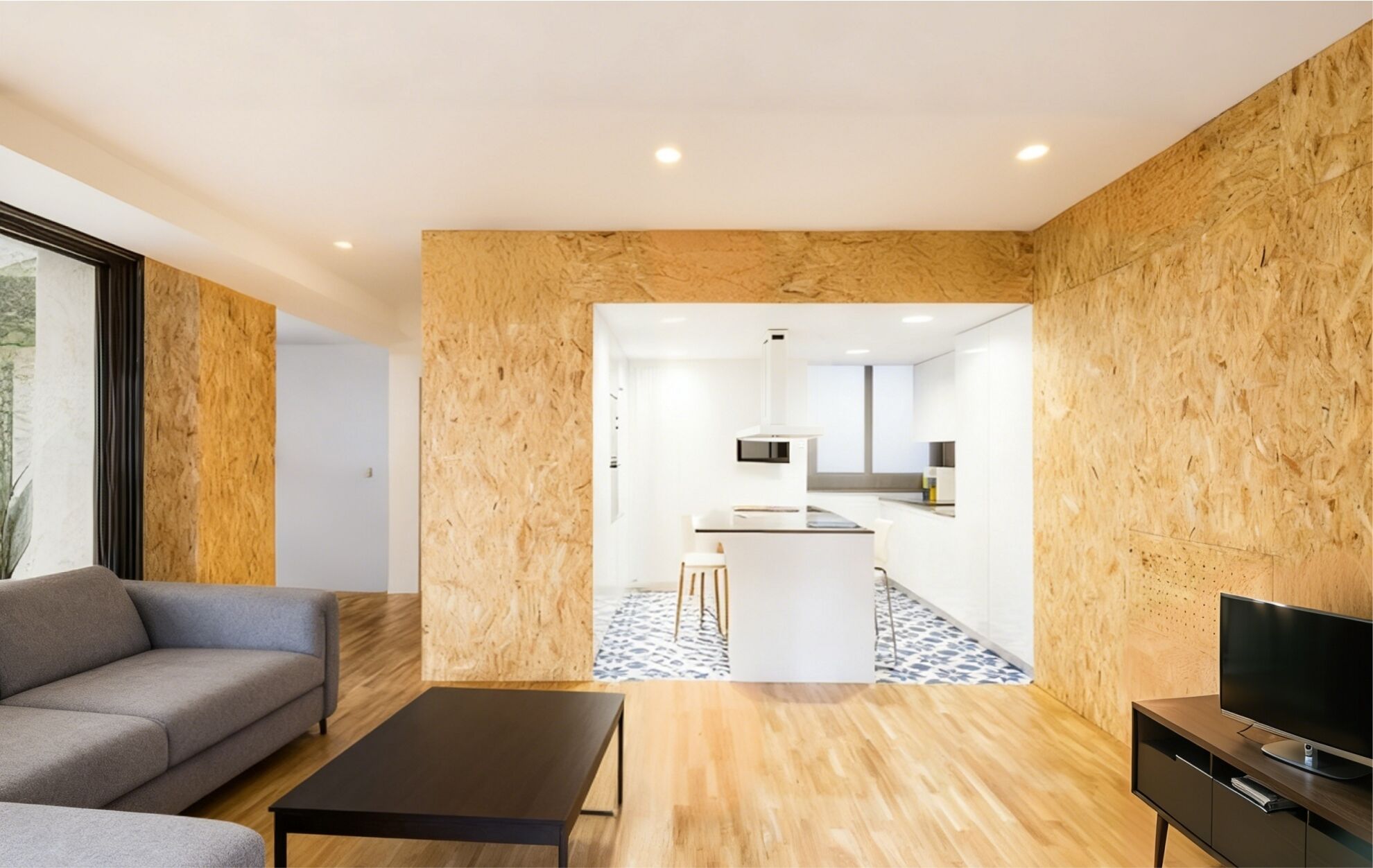
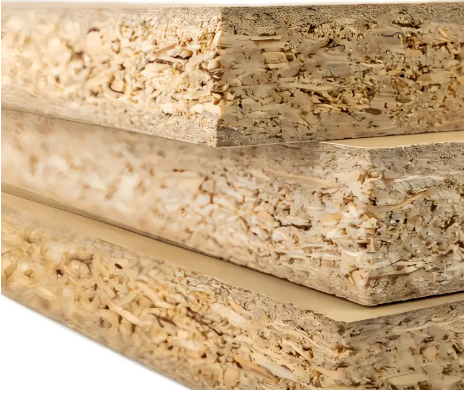
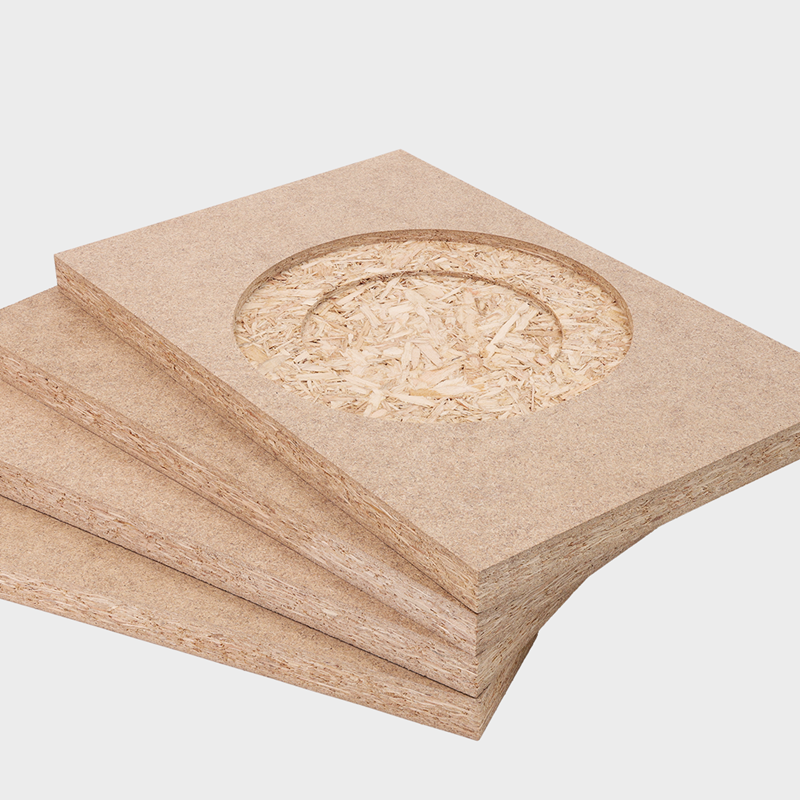
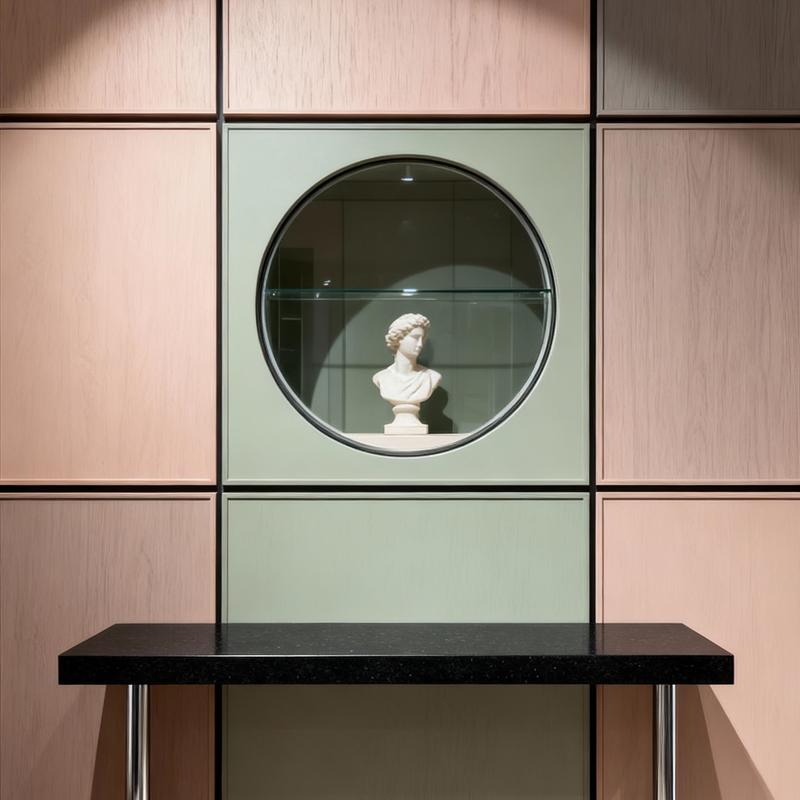
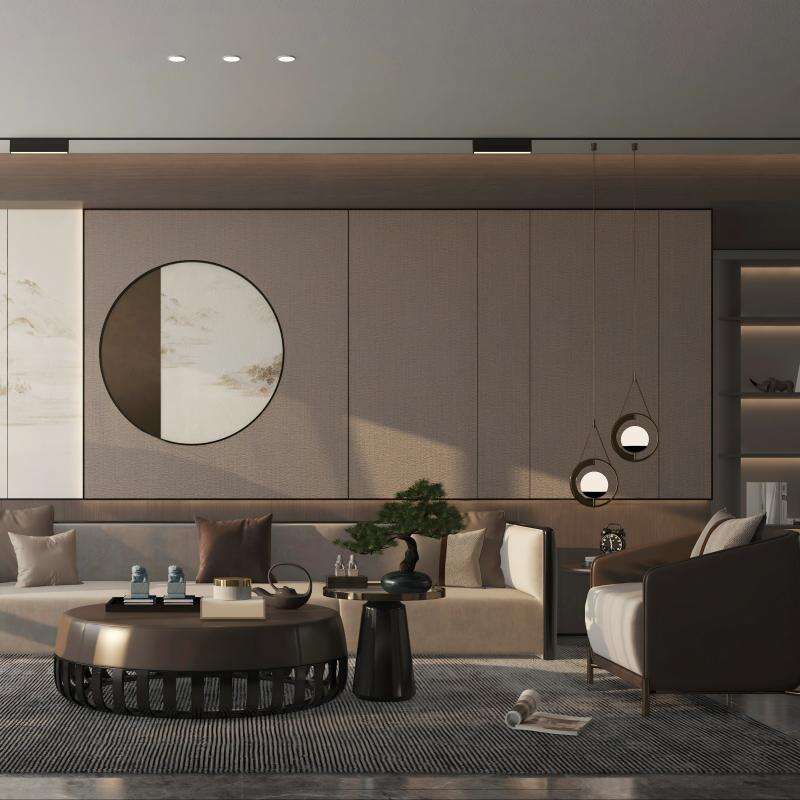
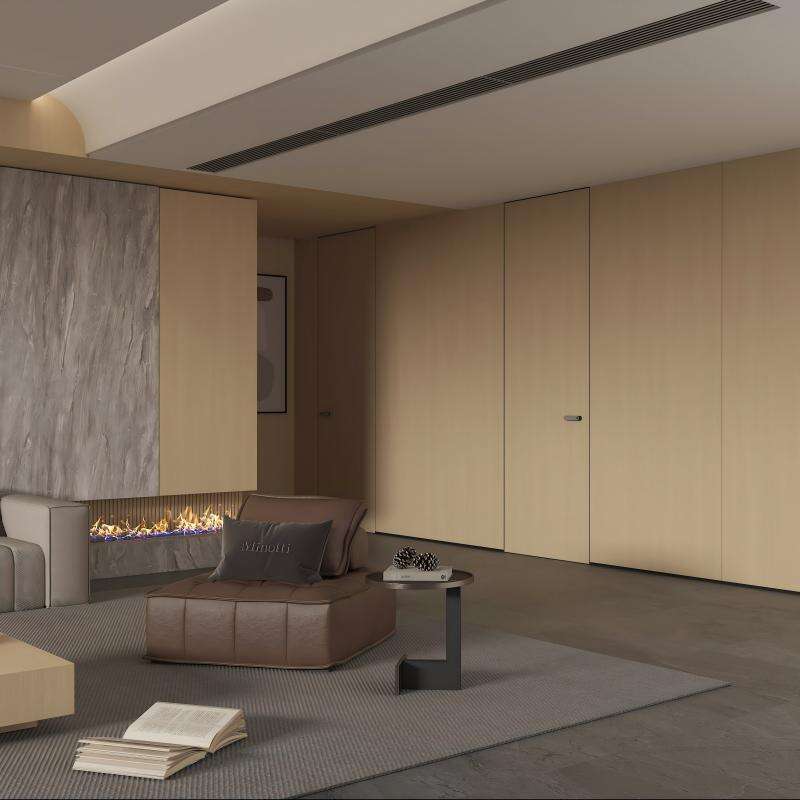
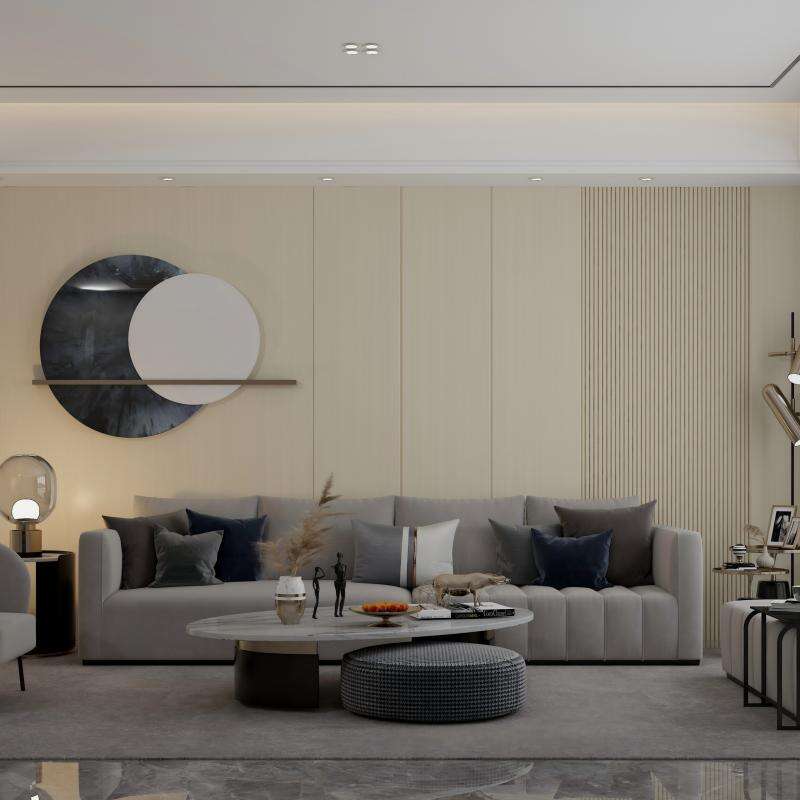
Particle board for partition represents a revolutionary building material that has transformed interior construction and space division across residential, commercial, and industrial sectors. This engineered wood product combines wood particles, chips, and fibers with synthetic resin adhesives under high pressure and temperature to create uniform, dense panels specifically designed for partition applications. The manufacturing process ensures consistent density throughout the board, eliminating natural wood defects like knots, splits, and grain irregularities that can compromise structural integrity. Particle board for partition offers exceptional dimensional stability, making it ideal for creating reliable interior walls that maintain their shape and performance over extended periods. The material features excellent screw-holding capacity, allowing secure attachment of fixtures, shelving, and hardware without risk of splitting or cracking. Its smooth, uniform surface provides an ideal substrate for various finishing materials including paint, wallpaper, veneer, and laminate coverings. The technological advancement in particle board for partition production has resulted in enhanced moisture resistance properties through specialized resin formulations and surface treatments. These boards can be manufactured in various thicknesses ranging from 12mm to 25mm, accommodating different structural requirements and design specifications. The standardized manufacturing process ensures consistent quality control, delivering predictable performance characteristics that architects and builders can rely upon. Modern particle board for partition incorporates low-emission adhesives, meeting stringent indoor air quality standards and environmental regulations. The material exhibits excellent fire-retardant properties when treated with appropriate chemicals, making it suitable for commercial applications requiring enhanced safety standards. Installation efficiency is significantly improved due to the material's lightweight nature compared to traditional masonry partitions, reducing construction time and labor costs while maintaining structural adequacy for non-load-bearing applications.
New Products

Particle board for partition delivers substantial cost savings compared to traditional partition materials without compromising quality or performance standards. Manufacturing processes optimize raw material usage, converting wood waste and by-products into high-quality building panels, making this solution both economical and environmentally responsible. The uniform density distribution throughout particle board for partition eliminates weak spots commonly found in natural wood, ensuring consistent performance across the entire panel surface. Installation becomes remarkably straightforward as these boards can be easily cut, shaped, and fastened using standard woodworking tools and techniques. The smooth surface texture eliminates the need for extensive preparation work before applying finish materials, reducing both time and material costs during construction projects. Particle board for partition provides excellent thermal insulation properties, contributing to energy efficiency in buildings by reducing heat transfer between rooms and improving overall climate control effectiveness. The material demonstrates superior dimensional stability compared to solid wood alternatives, minimizing expansion and contraction issues that can lead to gaps, warping, or structural problems over time. Moisture resistance treatments available for particle board for partition make it suitable for areas with moderate humidity levels, expanding its application range beyond traditional dry environments. The lightweight characteristic of particle board for partition reduces structural load requirements on buildings while maintaining adequate strength for partition applications. Transportation and handling costs are significantly lower due to reduced weight, making project logistics more efficient and cost-effective. The material accepts various fastening methods including screws, nails, and adhesives, providing flexibility in construction techniques and assembly processes. Particle board for partition can be easily modified on-site, allowing for custom cuts, openings, and adjustments without requiring specialized equipment or extensive expertise. The consistent thickness and flatness of these boards ensure proper alignment during installation, resulting in professional-quality partition walls that meet architectural specifications. Sound absorption properties inherent in particle board for partition help reduce noise transmission between spaces, creating more comfortable indoor environments. The material's compatibility with standard framing systems simplifies integration into existing construction methods and building codes.

Practical Tips

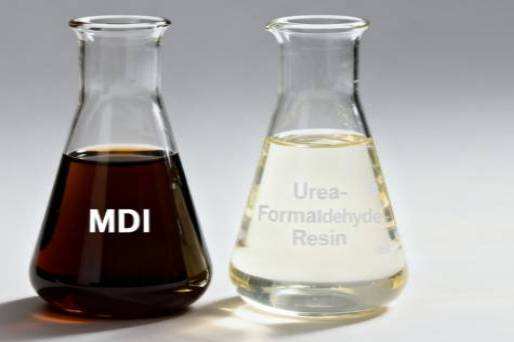
MDI Adhesive vs. Urea-Formaldehyde Adhesive: Choosing Healthy Materials for Your Home

07

Nov

MDI Adhesive vs. Urea-Formaldehyde Adhesive: Choosing Healthy Materials for Your Home

View More
How Do Decorative Boards Compare to Traditional Wood Panels?

24

Oct

How Do Decorative Boards Compare to Traditional Wood Panels?

View More
How WOOD-BASED PANEL Support Custom Furniture and Interior Projects

18

Nov

How WOOD-BASED PANEL Support Custom Furniture and Interior Projects

View More
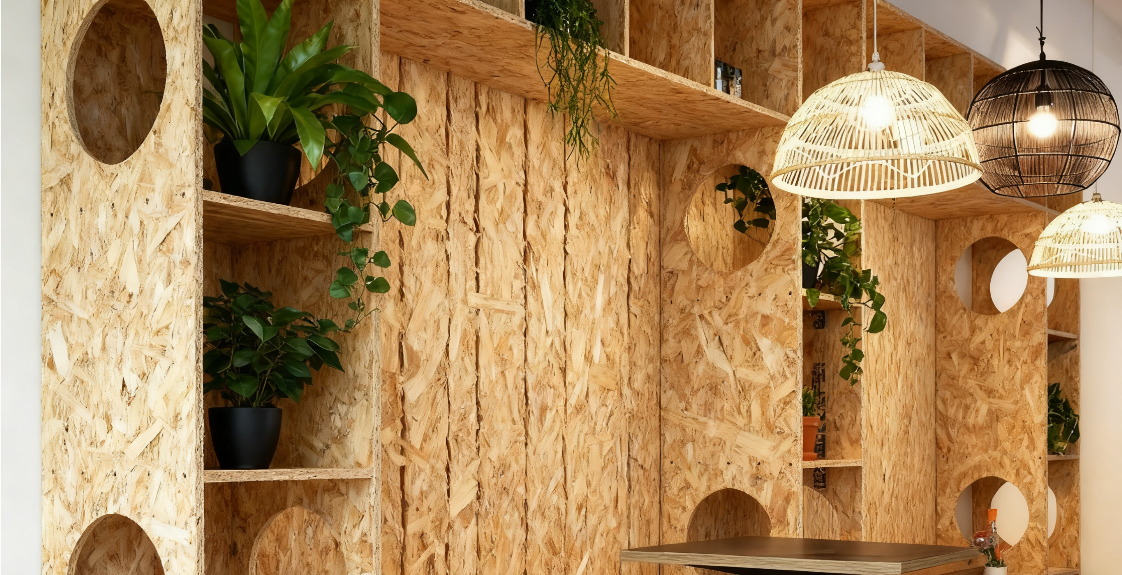
Exploring Innovative Applications of OSB in Interior Design

24

Nov

Exploring Innovative Applications of OSB in Interior Design

View More

Get a Free Quote

Our representative will contact you soon.
Email
WhatsApp
Name
Company Name
Message
0/1000

particle board for partition

Superior Structural Integrity and Load Distribution

Superior Structural Integrity and Load Distribution

Particle board for partition excels in providing exceptional structural integrity through its engineered composition that distributes loads evenly across the entire panel surface. The manufacturing process involves compressing wood particles under extreme pressure while synthetic resins cure, creating a homogeneous material structure that eliminates the natural weaknesses found in solid wood products. This uniform density prevents localized stress concentrations that could lead to failure points, ensuring reliable performance throughout the partition's service life. The cross-directional fiber orientation within particle board for partition creates multi-directional strength characteristics, making it resistant to both vertical and horizontal forces that typically affect partition walls. This structural advantage becomes particularly important in commercial applications where partitions must support mounted equipment, shelving systems, or heavy fixtures without compromising wall integrity. The material's ability to distribute point loads across a wider area reduces the risk of localized damage from impact or concentrated forces. Quality control measures during manufacturing ensure consistent density throughout each particle board for partition panel, eliminating variations that could create weak zones or performance inconsistencies. The engineered nature of this material allows manufacturers to optimize fiber orientation and resin distribution specifically for partition applications, resulting in enhanced structural properties tailored to interior wall requirements. Installation techniques can take advantage of this structural integrity by using fewer support elements while maintaining code compliance and safety standards. The dimensional stability of particle board for partition prevents common issues like sagging, bowing, or warping that can compromise both structural performance and aesthetic appearance over time. Advanced adhesive systems used in modern particle board for partition production create strong inter-particle bonds that maintain structural integrity even under varying environmental conditions. This reliability translates into reduced maintenance requirements and longer service life compared to alternative partition materials that may deteriorate or lose structural capacity over time.
Exceptional Surface Quality and Finishing Versatility

Exceptional Surface Quality and Finishing Versatility

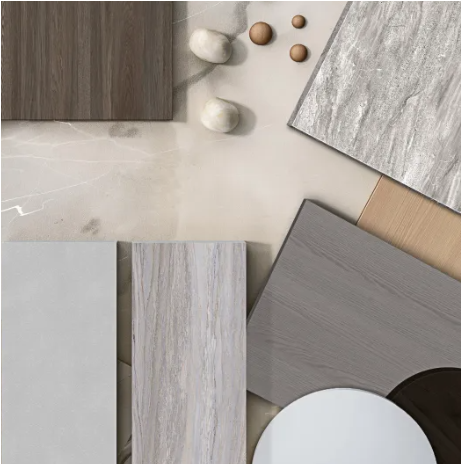
Particle board for partition delivers outstanding surface quality that serves as an ideal foundation for diverse finishing applications, eliminating the surface preparation challenges commonly associated with natural wood products. The manufacturing process creates exceptionally smooth, uniform surfaces free from grain patterns, knots, or other irregularities that could telegraph through finish materials or create visual inconsistencies. This superior surface quality enables direct application of paint systems without requiring extensive filling, sanding, or primer treatments, significantly reducing finishing costs and installation time. The consistent surface texture of particle board for partition ensures uniform paint coverage and adhesion, resulting in professional-quality finishes that maintain their appearance over extended periods. Laminate applications benefit tremendously from the smooth substrate provided by particle board for partition, as the uniform surface prevents bubbling, lifting, or adhesion failures that can occur with irregular substrates. Wallpaper installation becomes more reliable and visually appealing when applied over particle board for partition surfaces, as the smooth substrate prevents pattern distortion or adhesive failures. The material's ability to accept various adhesive systems makes it compatible with modern finishing techniques including pressure-sensitive films, contact adhesives, and water-based bonding agents. Veneer applications achieve superior results when applied to particle board for partition due to the stable, smooth substrate that prevents veneer cracking or delamination issues. The consistent thickness tolerance maintained during particle board for partition manufacturing ensures proper alignment and fit during installation, creating seamless wall surfaces that meet architectural specifications. Surface treatments can be applied during manufacturing to enhance specific properties such as moisture resistance, fire retardancy, or enhanced paint adhesion depending on application requirements. The uniform porosity of particle board for partition surfaces allows for controlled absorption of primers and sealers, optimizing coating performance and durability. Custom surface textures can be embossed or impressed during manufacturing to create specialized aesthetic effects while maintaining the structural benefits of engineered wood construction.
Environmental Sustainability and Resource Efficiency

Environmental Sustainability and Resource Efficiency

Particle board for partition represents an exceptional example of sustainable building material production that transforms wood waste and forest residuals into high-performance construction products. The manufacturing process utilizes wood chips, sawdust, and other by-products that would otherwise be discarded or burned, converting these materials into valuable building components through advanced engineering techniques. This resource efficiency significantly reduces the environmental impact associated with partition construction while maintaining superior performance standards compared to traditional materials. Modern particle board for partition production facilities implement closed-loop manufacturing systems that minimize waste generation and maximize material utilization rates. The use of recycled wood content in particle board for partition production helps preserve forest resources by reducing demand for virgin timber while creating products with equivalent or superior performance characteristics. Advanced adhesive systems used in contemporary particle board for partition manufacturing feature low-emission formulations that meet stringent indoor air quality standards and environmental certification requirements. The lightweight nature of particle board for partition reduces transportation energy requirements and associated carbon emissions during material distribution and project logistics. Life cycle assessments demonstrate that particle board for partition typically exhibits lower environmental impact compared to alternative partition materials when considering raw material extraction, manufacturing energy consumption, and end-of-life disposal options. The material's dimensional stability and durability contribute to extended service life, reducing replacement frequency and associated environmental costs over the building's operational period. Particle board for partition can often be recycled or repurposed at the end of its service life, supporting circular economy principles in construction industry practices. Manufacturing facilities producing particle board for partition increasingly utilize renewable energy sources and implement energy-efficient production processes to further reduce environmental footprint. The consistent quality and performance of particle board for partition reduces construction waste by minimizing defects, rework, and material rejection rates during installation. Regional sourcing of raw materials for particle board for partition production supports local economies while reducing transportation-related environmental impacts associated with long-distance material shipping.

Get a Free Quote

Our representative will contact you soon.
Email
WhatsApp
Name
Company Name
Message
0/1000