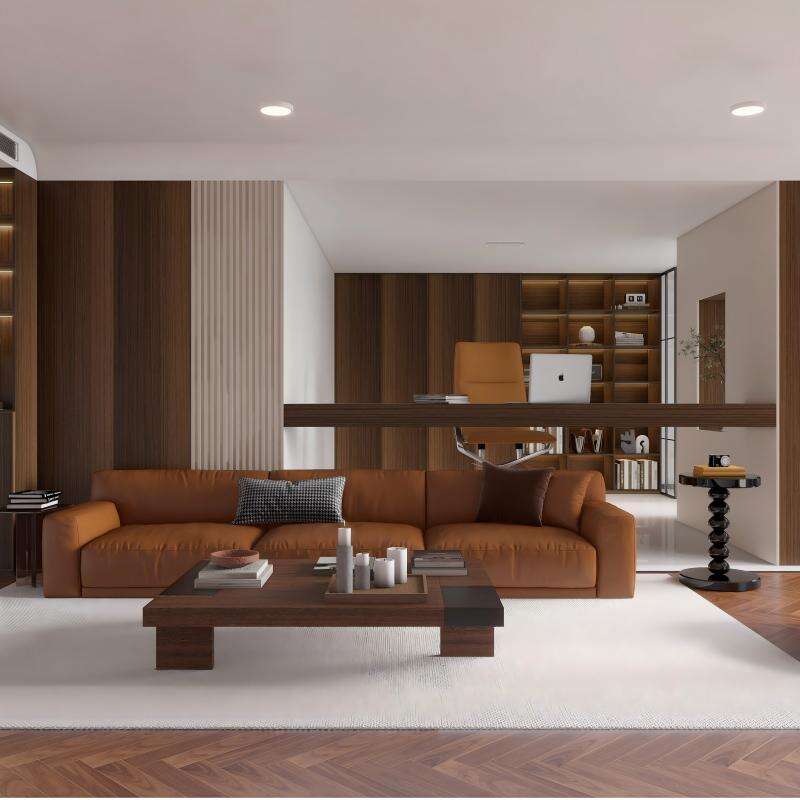
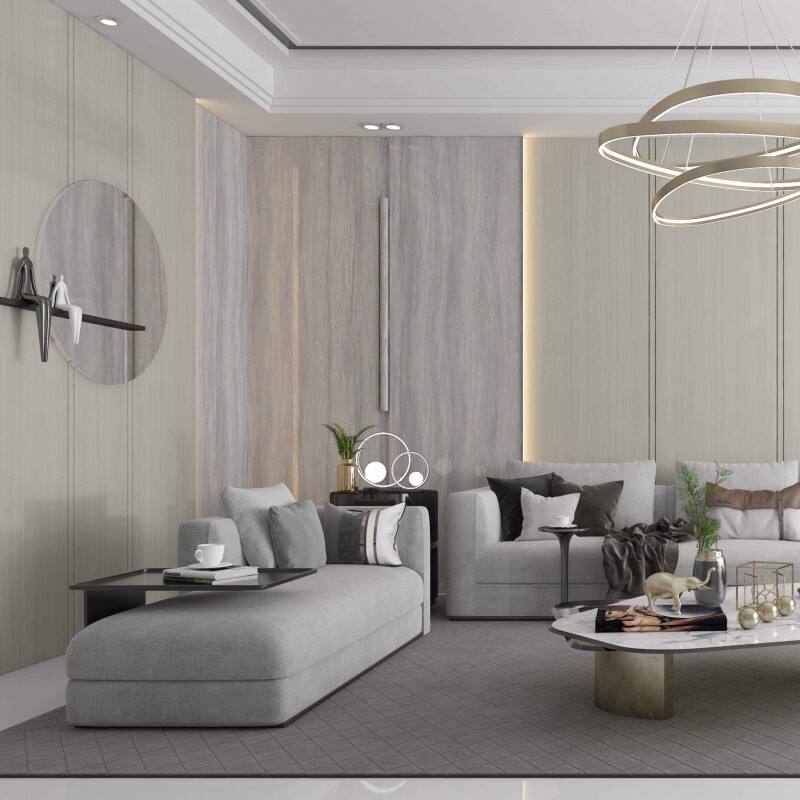
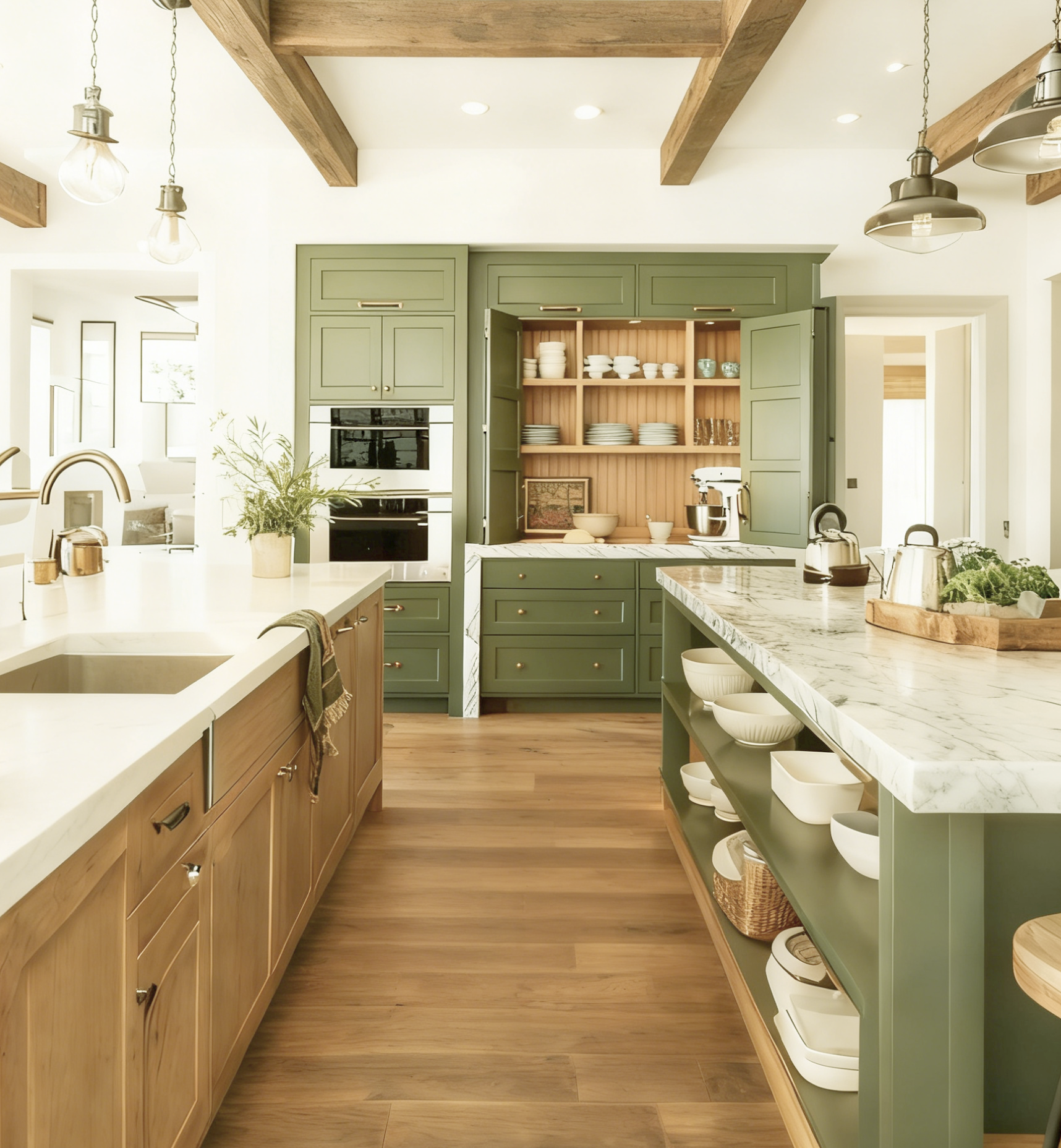
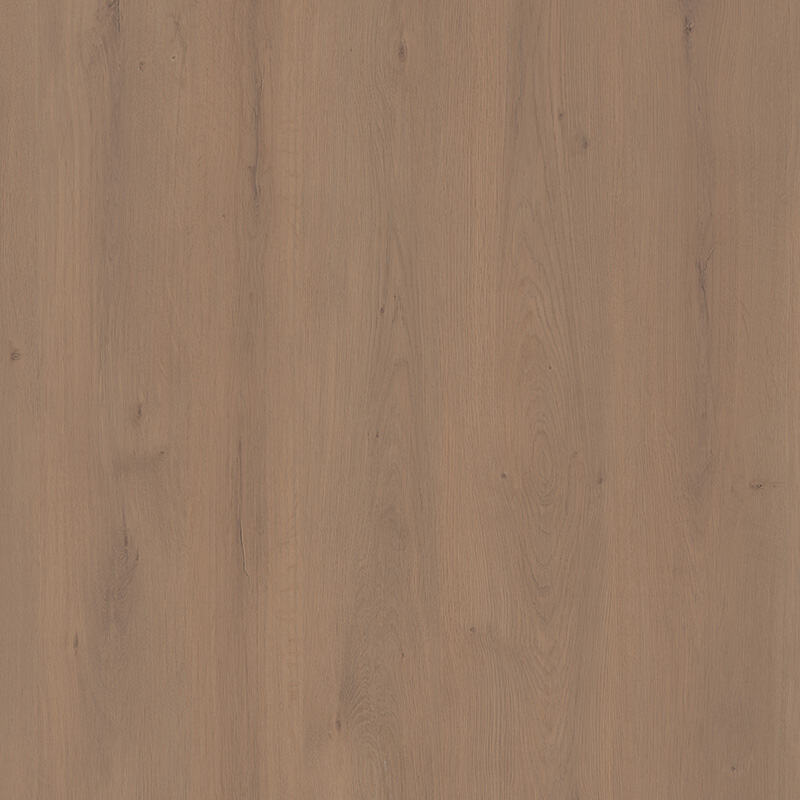
textured decorative panel
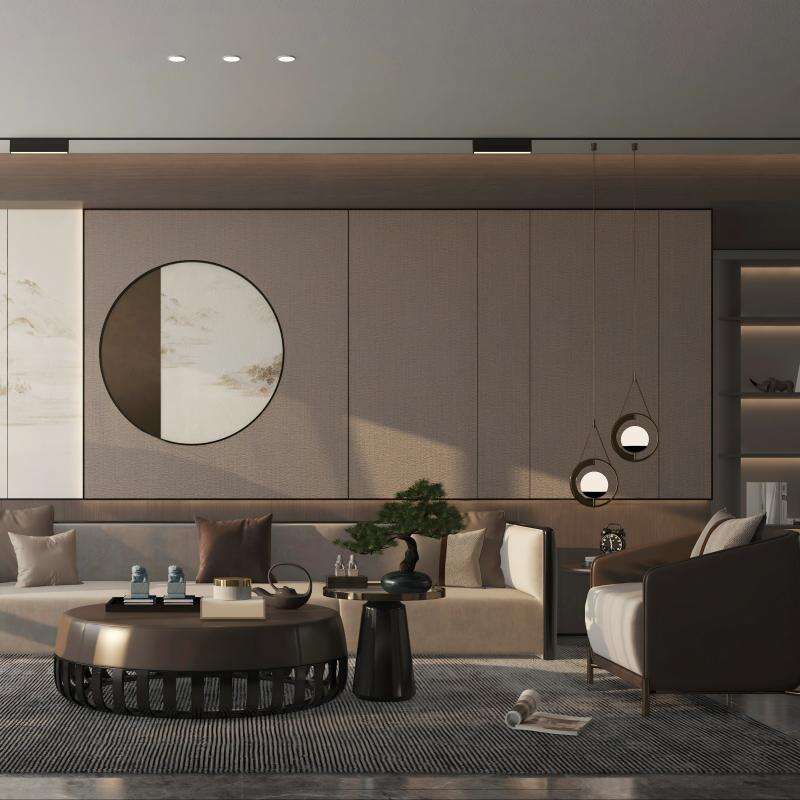
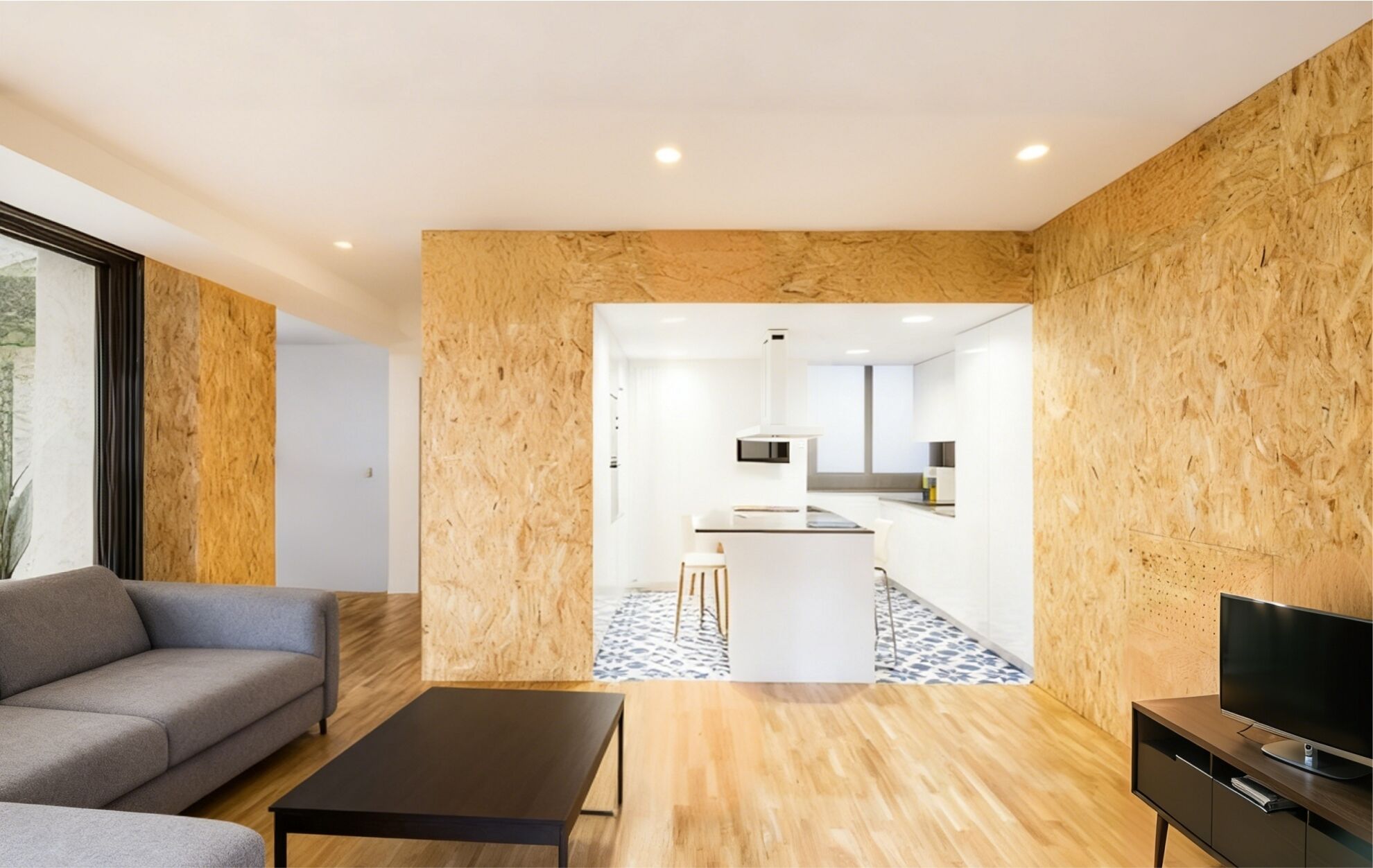
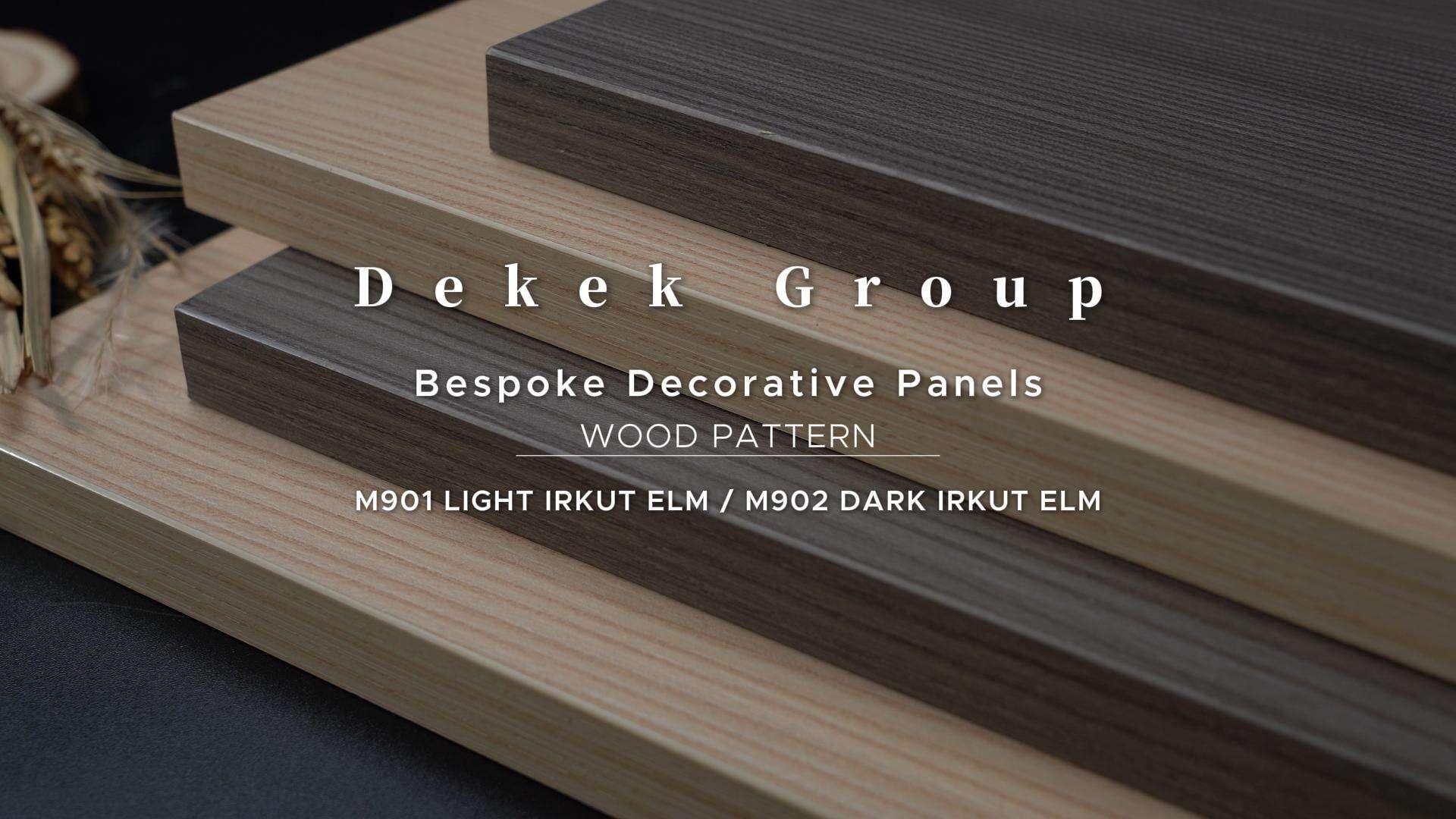
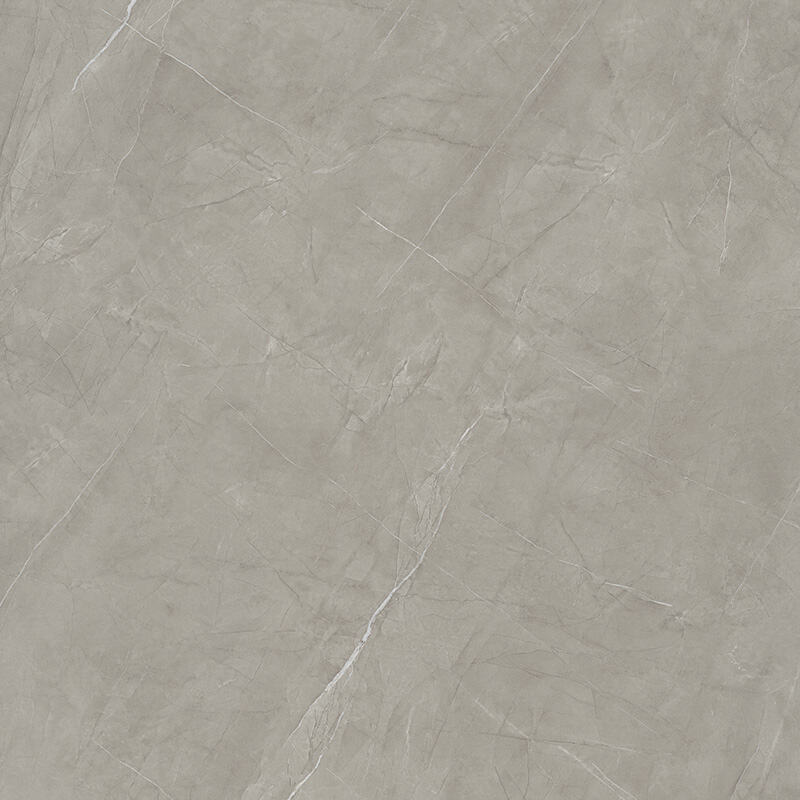
Textured decorative panels represent a revolutionary approach to interior and exterior design, combining aesthetic appeal with practical functionality. These innovative building materials feature distinct surface patterns and textures that create visual interest while serving multiple purposes in residential, commercial, and industrial applications. The textured decorative panel incorporates advanced manufacturing techniques to produce durable, lightweight surfaces that transform ordinary walls into striking design elements. The primary function of textured decorative panels involves providing both protective and decorative solutions for various surfaces. These panels effectively shield underlying structures from environmental damage, moisture penetration, and wear while simultaneously enhancing the visual appeal of spaces. The textured surface creates depth and dimension, allowing designers to achieve sophisticated looks without extensive construction work. Technological features of textured decorative panels include precision-engineered surface patterns created through specialized molding processes, advanced polymer compositions that resist fading and cracking, and innovative mounting systems that ensure secure installation. Many panels incorporate fire-resistant materials and antimicrobial treatments, making them suitable for demanding environments. The manufacturing process utilizes computer-controlled equipment to maintain consistent quality and dimensional accuracy across large production runs. Applications for textured decorative panels span numerous industries and settings. In residential construction, these panels enhance living spaces, bedrooms, kitchens, and bathrooms. Commercial applications include retail stores, restaurants, hotels, and office buildings where creating memorable environments drives customer engagement. Industrial uses encompass warehouses, manufacturing facilities, and healthcare institutions where durability and easy maintenance prove essential. The versatility of textured decorative panels allows architects and designers to implement creative solutions across diverse project types, from small renovations to large-scale commercial developments, making them an invaluable tool in modern construction and design practices.


 EN
EN