green home decoration
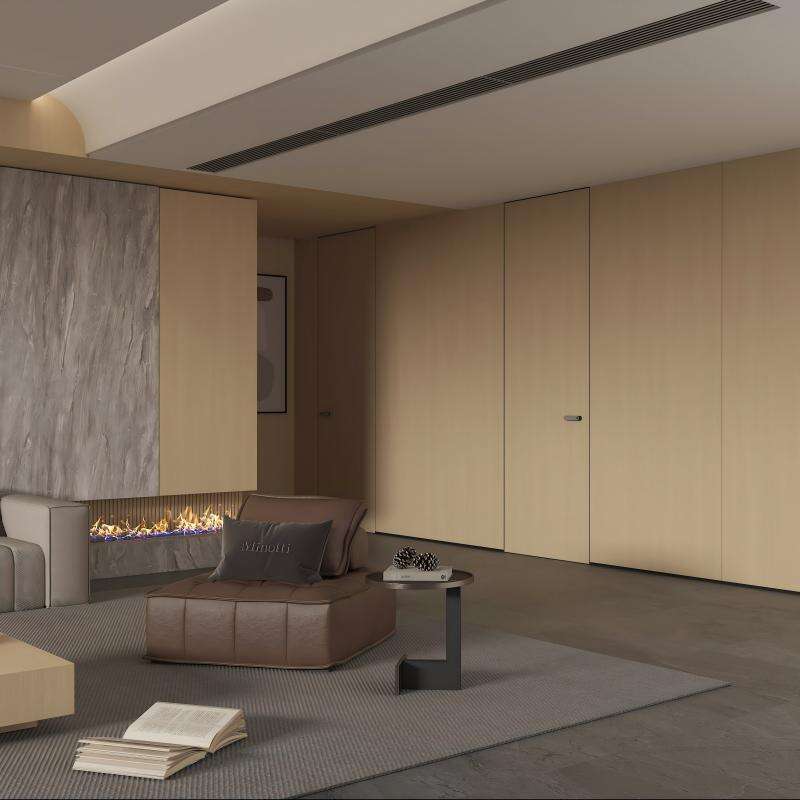
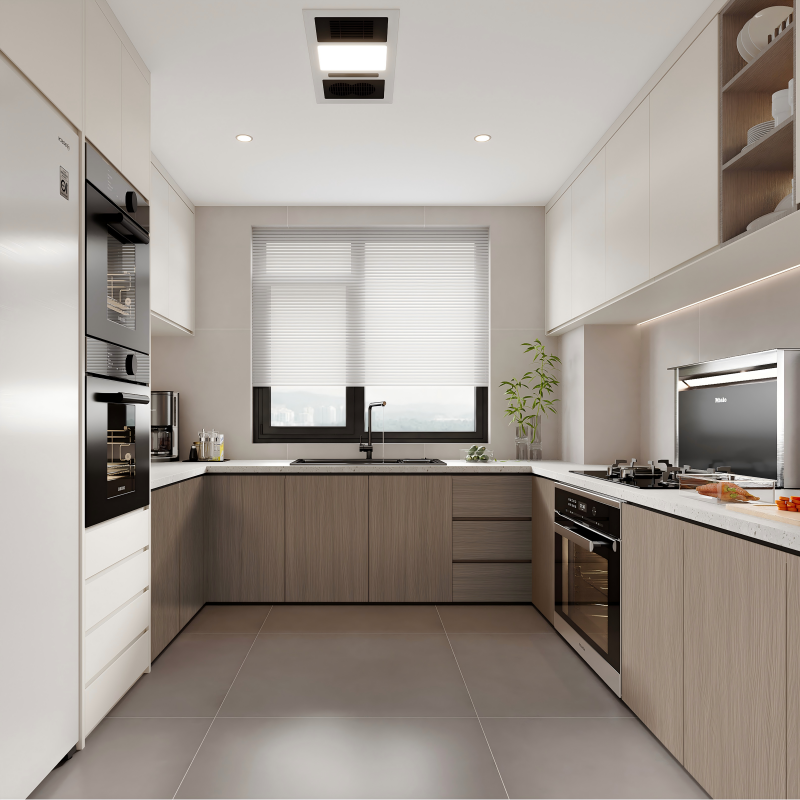
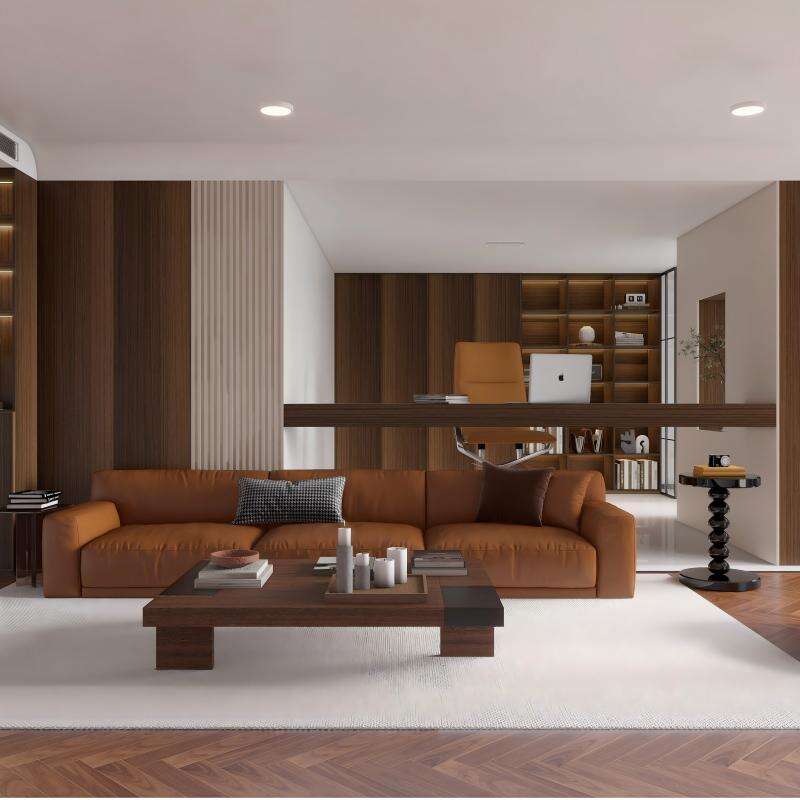
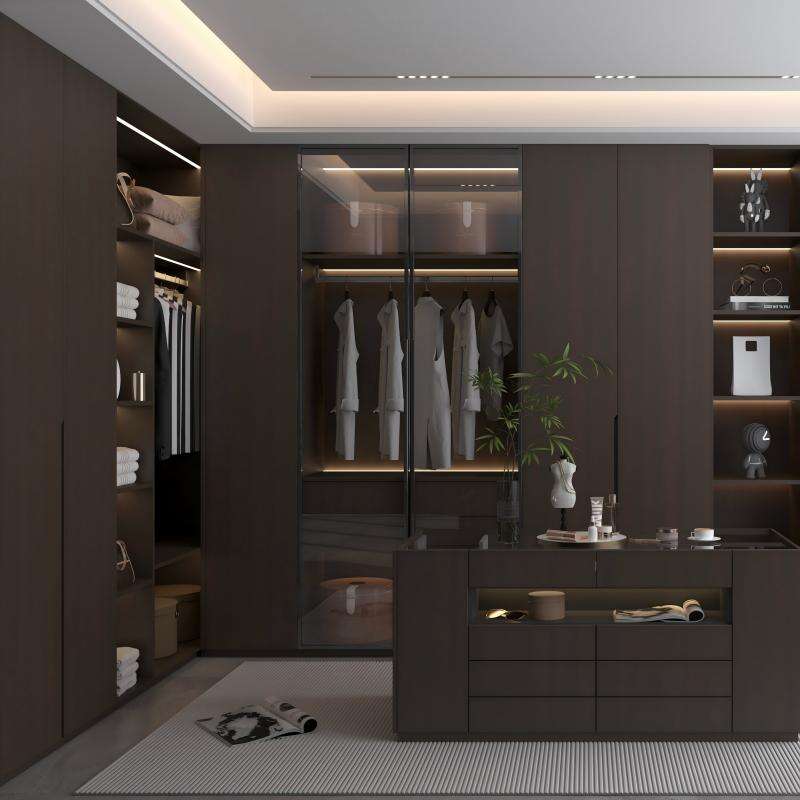
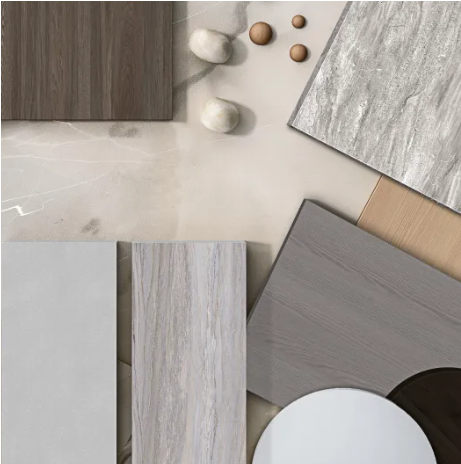
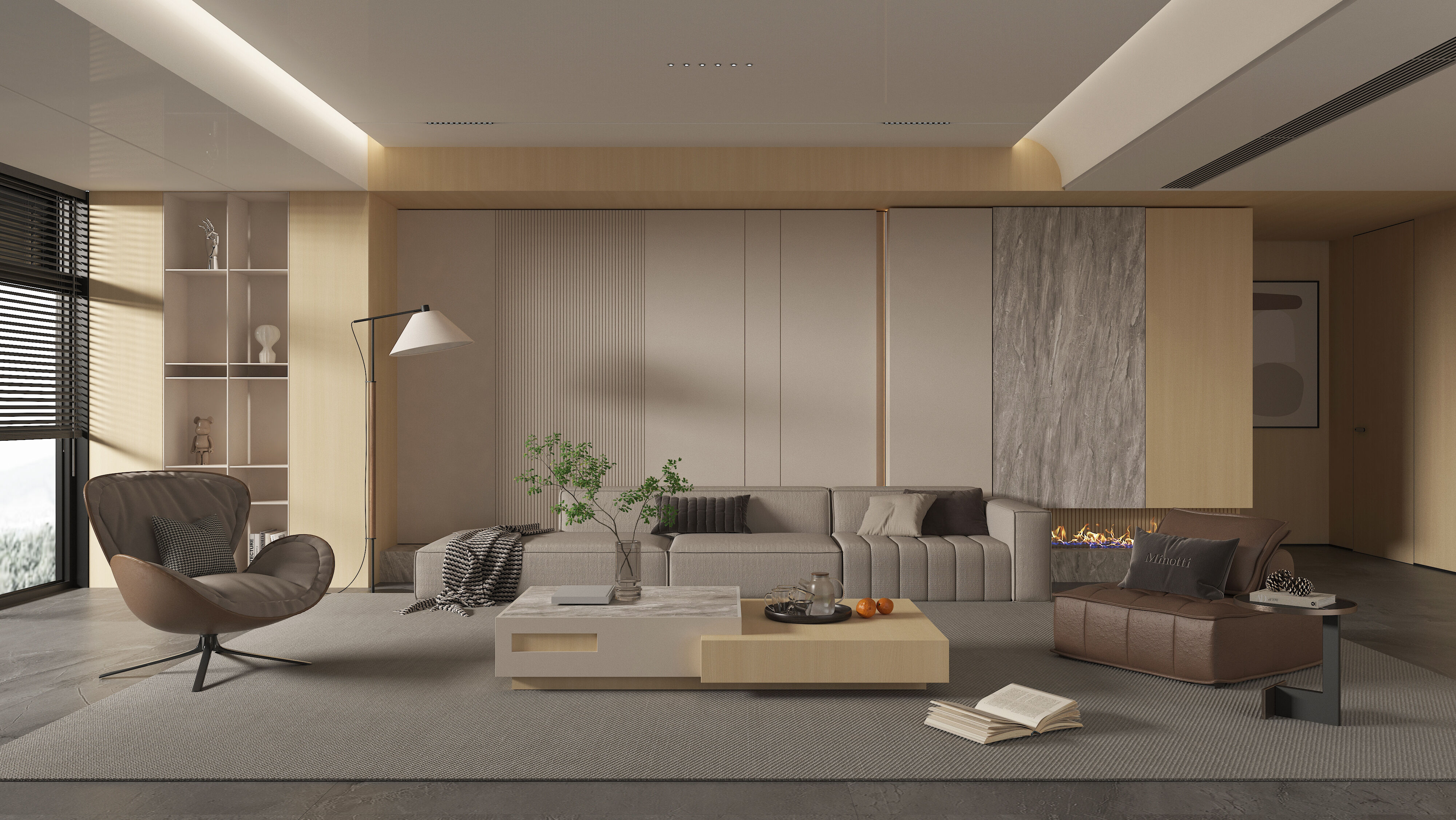
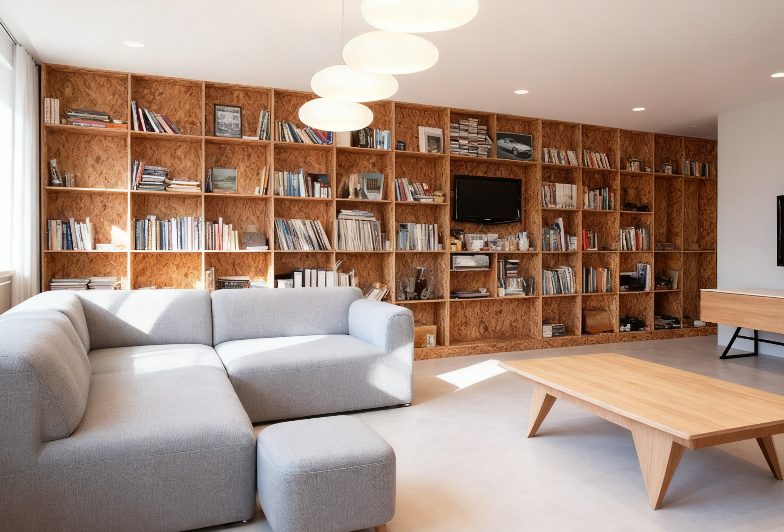
Green home decoration represents a revolutionary approach to interior design that prioritizes environmental sustainability while maintaining aesthetic appeal and functionality. This comprehensive design philosophy encompasses the use of eco-friendly materials, energy-efficient systems, and sustainable practices throughout the entire decorating process. Green home decoration focuses on creating living spaces that minimize environmental impact while maximizing health benefits for occupants. The main functions of green home decoration include reducing carbon footprint, improving indoor air quality, conserving natural resources, and promoting overall wellness. Technological features often incorporate smart home systems that optimize energy consumption, automated lighting controls, programmable thermostats, and water-saving fixtures. Advanced materials used in green home decoration include bamboo flooring, recycled glass countertops, low-VOC paints, reclaimed wood furniture, and organic textiles. These materials are carefully selected for their minimal environmental impact during production, transportation, and disposal phases. Applications of green home decoration span across residential and commercial properties, including single-family homes, apartments, office buildings, retail spaces, and hospitality venues. The implementation involves strategic planning that considers natural lighting optimization, proper insulation installation, renewable energy integration, and waste reduction strategies. Green home decoration also emphasizes the use of locally sourced materials to reduce transportation emissions and support local economies. Water conservation features such as rainwater harvesting systems, greywater recycling, and drought-resistant landscaping are integral components. The design process typically involves comprehensive environmental assessments, energy audits, and sustainability certifications like LEED or Energy Star ratings. Modern green home decoration incorporates biophilic design elements that connect inhabitants with nature through living walls, natural textures, and organic shapes. This approach creates harmonious environments that support both human well-being and environmental preservation while delivering exceptional aesthetic results.

 EN
EN