
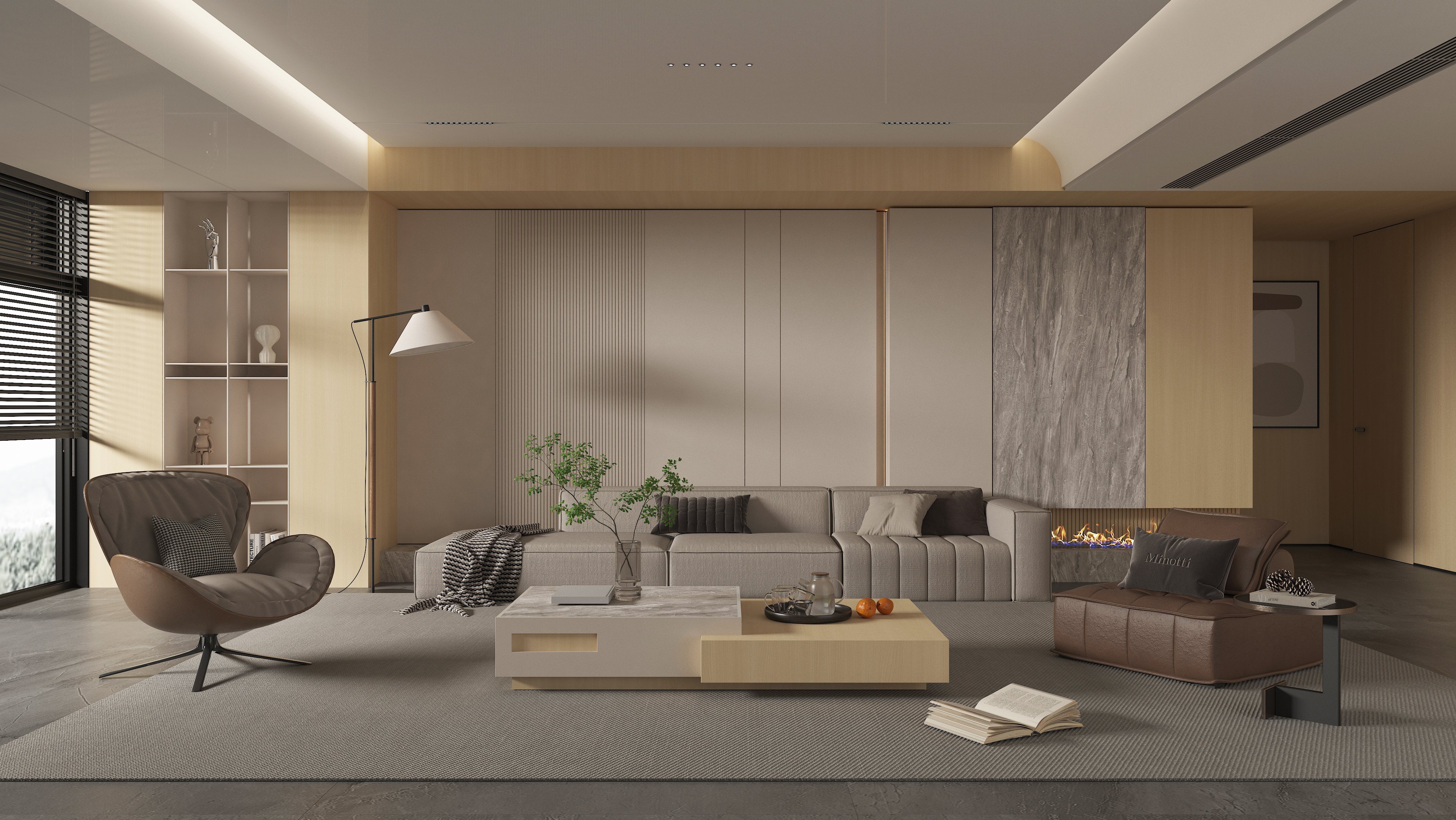
 Wood-based panel has become an essential material in modern interior design, offering a unique combination of visual appeal and practical performance. Whether you're renovating a residential space or designing a commercial environment, wood-based panel provides solutions that go far beyond basic functionality. This material bridges the gap between aesthetic sophistication and everyday durability, making it a preferred choice for architects, designers, and homeowners alike.
The integration of wood-based panel into interior spaces transforms how we think about material selection. Unlike traditional solid wood, wood-based panel offers consistent quality, superior stability, and easier installation while maintaining the warmth and character that natural wood brings. This versatility makes wood-based panel ideal for applications ranging from wall cladding to cabinetry, from ceiling treatments to decorative accents.
Wood-based panel delivers impressive visual results that enhance any interior environment. The natural grain patterns and rich color variations in wood-based panel create visual depth and character that synthetic materials struggle to replicate. When you choose wood-based panel, you're selecting a material that photographs beautifully and creates lasting impressions in both residential and commercial spaces.
The versatility of wood-based panel extends to finishing options as well. Whether you prefer a natural matte finish that showcases the wood grain or a high-gloss application that reflects light beautifully, wood-based panel adapts to your design vision. Designers appreciate how wood-based panel coordinates with other materials, creating cohesive interiors that feel intentional and sophisticated.
Beyond appearance, wood-based panel excels in practical performance metrics that matter to building professionals. The structural stability of wood-based panel makes it resistant to warping and cupping, common issues with solid wood. This dimensional stability means wood-based panel maintains its integrity across varying humidity levels and temperature conditions throughout seasons and years of use.
Sound absorption represents another significant advantage of wood-based panel in interior applications. The cellular structure of wood-based panel naturally dampens noise, creating quieter, more comfortable spaces. This acoustic benefit makes wood-based panel particularly valuable in offices, schools, and residential settings where noise reduction improves quality of life.
In homes, wood-based panel solves real design challenges while elevating aesthetic quality. Feature walls created with wood-based panel become focal points that anchor room design without overwhelming spaces. Kitchen and bathroom applications benefit from wood-based panel's moisture resistance when properly sealed and finished, offering durability in high-humidity environments where moisture management matters.
Bedroom and living areas showcase wood-based panel differently but equally effectively. Ceiling treatments using wood-based panel add architectural interest and warmth to otherwise plain spaces. Storage solutions featuring wood-based panel combine open shelving with closed cabinetry, allowing designers to create organized, beautiful environments that function seamlessly for daily living.
Commercial projects leverage wood-based panel to create memorable experiences that reflect brand identity and design intent. Hospitality spaces from restaurants to hotels use wood-based panel to establish welcoming atmospheres that encourage repeat visits. The rapid installation timeline for wood-based panel systems means commercial projects meet tight schedules without compromising on finished quality.
Office environments benefit from wood-based panel applications that create professional yet approachable workspaces. Conference room walls and executive office installations featuring wood-based panel communicate quality and attention to detail to clients and employees. Meeting spaces gain acoustic benefits from wood-based panel that improve focus and reduce fatigue during extended sessions.
Installing wood-based panel requires understanding substrate preparation, fastening methods, and finishing protocols. Quality installation begins with level surfaces and proper substrate assessment to ensure wood-based panel performs as designed. Professional installers recognize that wood-based panel responds to environmental conditions, planning expansion gaps and acclimation periods accordingly.
The flexibility in installation methods for wood-based panel accommodates various project requirements and budgets. Direct adhesive application suits renovation projects where minimal structural changes are preferred. Mechanical fastening systems work well when wood-based panel needs to be removable or adjusted post-installation, offering design flexibility.
Long-term performance of wood-based panel depends on appropriate finishing and maintenance practices. Quality topcoats protect wood-based panel from moisture infiltration and UV degradation that compromise appearance over time. Regular cleaning using pH-neutral products maintains the beauty of wood-based panel without damaging finishes or underlying material.
Environmental control significantly influences how well wood-based panel ages in your space. Maintaining consistent humidity levels protects wood-based panel from seasonal movement that creates visible gaps or warping. In commercial kitchens or other high-moisture environments, selecting properly sealed and finished wood-based panel ensures years of reliable performance.
Wood-based panel undergoes manufacturing processes that create consistent density and structural integrity throughout the material. Manufacturing techniques remove inherent weak points found in solid wood, such as knots and grain inconsistencies. This manufacturing control means wood-based panel resists warping and cupping across changing humidity and temperature conditions, offering superior dimensional stability compared to solid wood alternatives.
Yes, wood-based panel performs well in bathrooms, kitchens, and other moisture-prone spaces when properly finished and sealed. Selecting moisture-resistant wood-based panel products and applying appropriate topcoats protects the material from water absorption. Professional installation with proper ventilation and substrate preparation ensures wood-based panel maintains integrity in high-humidity environments for years without degradation.
Wood-based panel typically offers exceptional value compared to solid wood and engineered alternatives. The cost advantage of wood-based panel increases with project scale, as material efficiency and faster installation reduce overall labor expenses. Quality wood-based panel delivers aesthetic and functional benefits at price points that accommodate various project budgets without sacrificing finished appearance or performance characteristics.

Copyright © 2026 GuangXi Dekek Group.All rights reserved.
 EN
EN


 Hot News