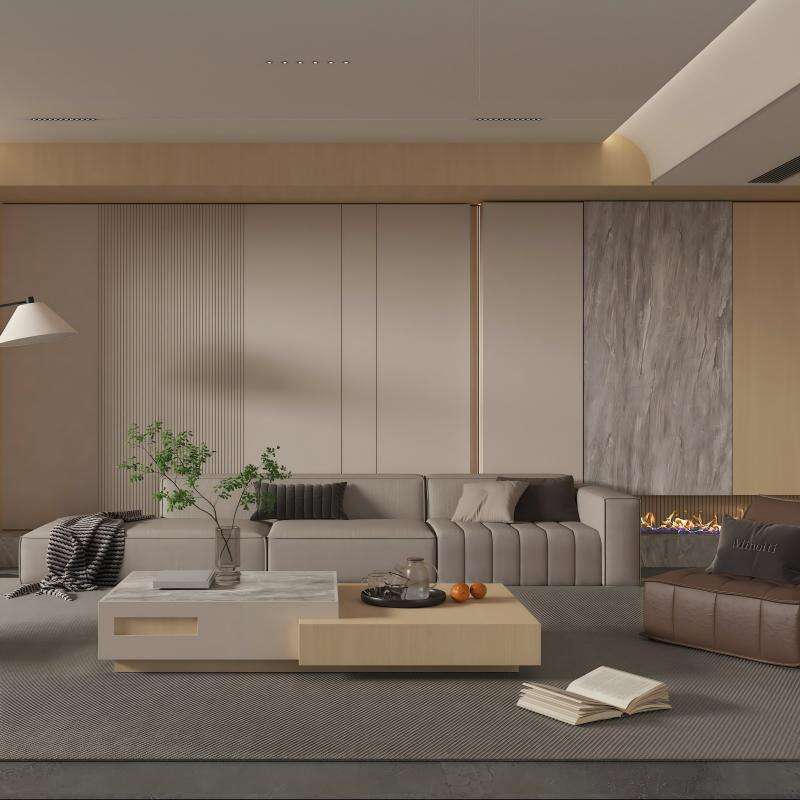
Premium Laminated Strand Board: Superior Engineered Wood Solutions for Construction and Manufacturing

All Categories

Get a Free Quote

Our representative will contact you soon.
Email
WhatsApp
Name
Company Name
Message
0/1000

laminated strand board

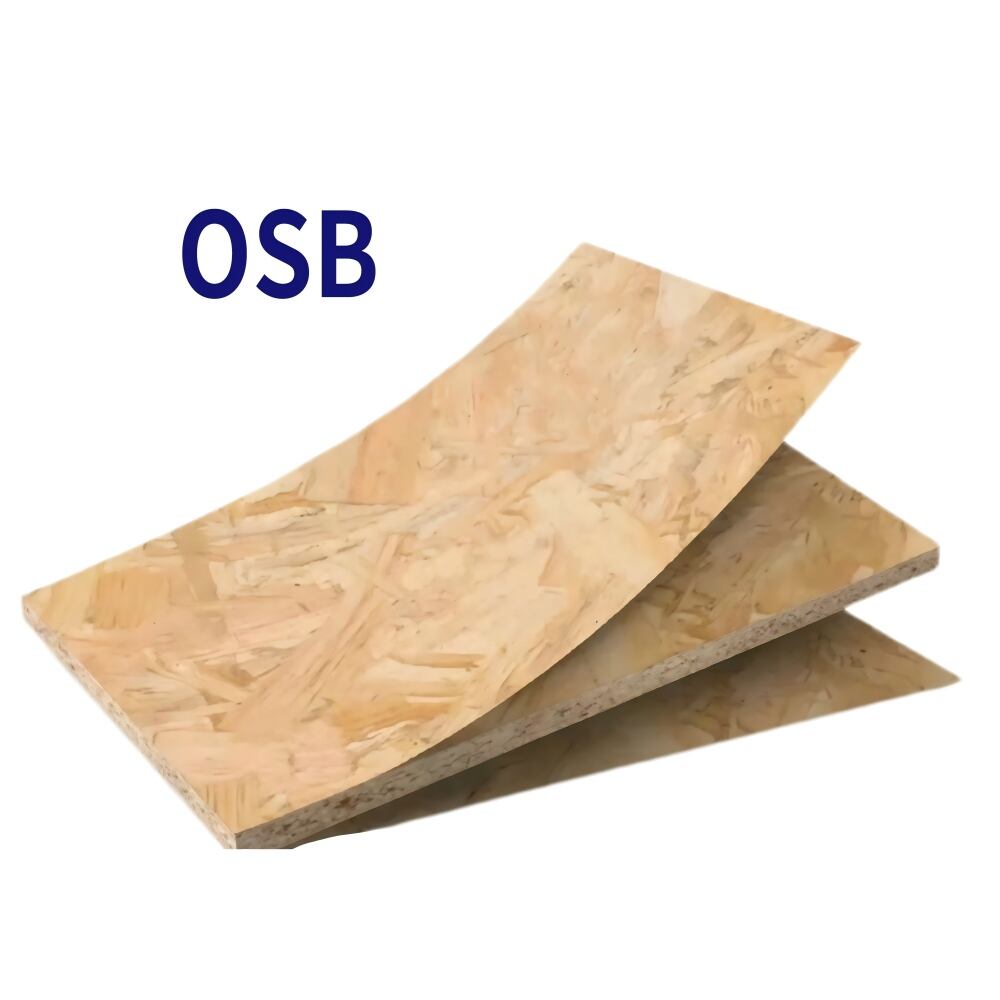
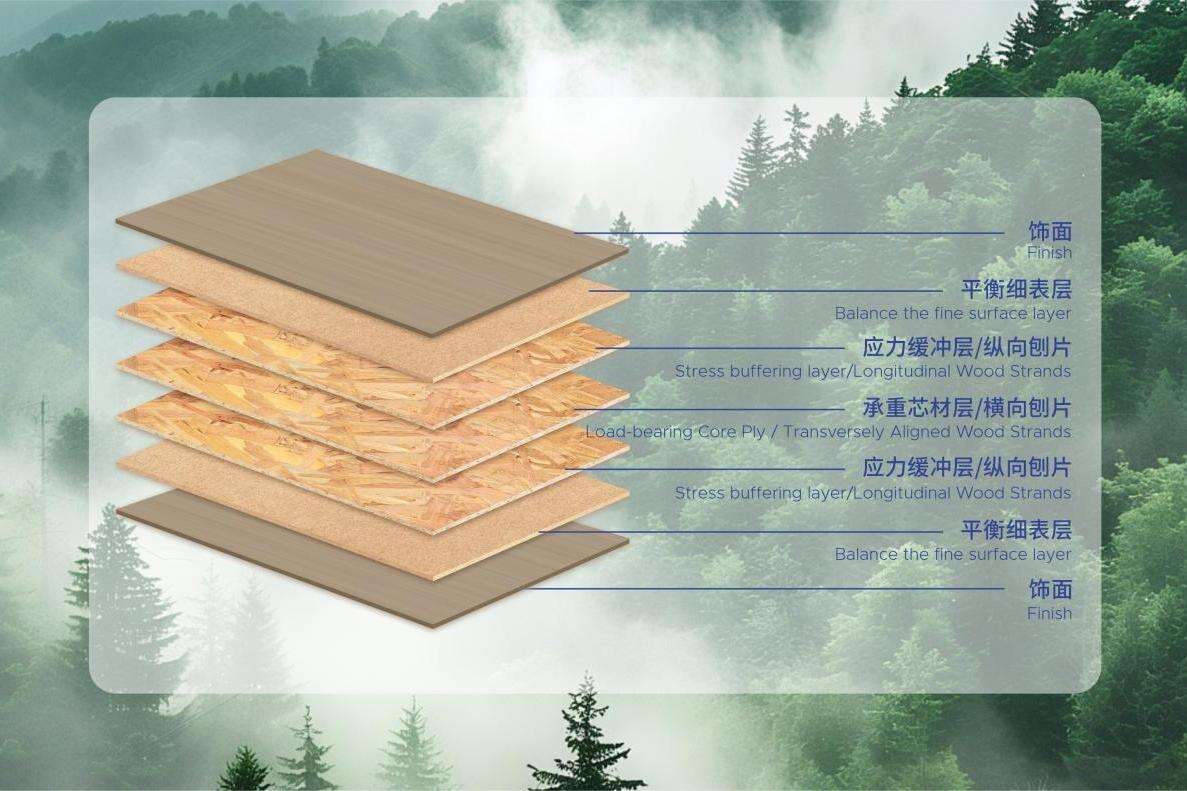
Laminated strand board represents a revolutionary engineered wood product that has transformed modern construction and manufacturing industries. This innovative material consists of specially prepared wood strands that are arranged in precise layers and bonded together using advanced adhesive systems under controlled heat and pressure. The manufacturing process begins with carefully selected wood species, typically fast-growing hardwoods like aspen, poplar, or southern yellow pine, which are processed into long, thin strands measuring approximately 6 inches in length and 0.75 inches in width. These strands undergo rigorous quality control to ensure uniform dimensions and moisture content before entering the production line. The technological foundation of laminated strand board relies on sophisticated strand orientation techniques where each layer is positioned at specific angles to maximize structural performance. This cross-laminated arrangement creates exceptional strength characteristics that often exceed those of conventional plywood or oriented strand board products. The bonding process utilizes phenol-formaldehyde or similar waterproof adhesives that cure under precisely controlled temperature and pressure conditions, typically reaching 400 degrees Fahrenheit and 600 pounds per square inch. Modern production facilities employ computer-controlled systems to monitor strand alignment, adhesive application rates, and pressing parameters, ensuring consistent quality across every panel produced. The resulting laminated strand board exhibits superior dimensional stability, reduced warping tendencies, and enhanced load-bearing capabilities compared to traditional wood products. Key applications span residential and commercial construction, including structural sheathing, subflooring systems, furniture manufacturing, and specialty architectural projects. The material's uniform density distribution and predictable performance characteristics make it particularly valuable for applications requiring reliable structural properties and consistent dimensional accuracy throughout the product's service life.

New Products

Laminated strand board delivers exceptional value through its combination of superior performance characteristics and cost-effective manufacturing processes. The material offers remarkable strength-to-weight ratios that surpass many traditional building materials, making it an ideal choice for structural applications where load-bearing capacity is critical. This enhanced strength comes from the precise strand orientation and advanced bonding techniques used during manufacturing, resulting in panels that resist bending, compression, and shear forces more effectively than conventional alternatives. Environmental benefits represent another significant advantage, as laminated strand board utilizes fast-growing wood species and manufacturing processes that maximize raw material efficiency. The production system converts smaller diameter logs and wood residuals into high-performance panels, reducing waste and supporting sustainable forestry practices. This approach allows manufacturers to create premium building materials while minimizing environmental impact and supporting responsible forest management initiatives. Cost savings emerge through multiple factors, including reduced material waste during installation, longer service life, and lower maintenance requirements compared to traditional wood products. The uniform thickness and consistent quality of laminated strand board panels eliminate the need for extensive sorting and grading typically required with natural lumber products. Installation efficiency increases significantly because panels arrive ready to use with predictable performance characteristics, reducing construction time and labor costs. The material's dimensional stability prevents common problems like warping, twisting, or splitting that often occur with conventional wood products, reducing callback costs and customer complaints. Moisture resistance capabilities exceed those of many competing products, particularly when properly sealed and finished according to manufacturer recommendations. This enhanced moisture performance extends the material's useful life in challenging environments and reduces the risk of structural failure due to water damage. Manufacturing consistency ensures that every panel meets identical specifications, eliminating the variability often encountered with natural wood products and allowing builders to achieve more predictable project outcomes. The versatility of laminated strand board enables its use across diverse applications, from residential construction to commercial projects, furniture manufacturing, and specialized industrial uses, providing customers with a single material solution for multiple project requirements.

Practical Tips

MDI Adhesive vs. Urea-Formaldehyde Adhesive: Choosing Healthy Materials for Your Home

07

Nov

MDI Adhesive vs. Urea-Formaldehyde Adhesive: Choosing Healthy Materials for Your Home

View More
Dekek Special Decorative Panel for High-End Customization - High Performance and& High Aesthetic Appeal

21

Oct

Dekek Special Decorative Panel for High-End Customization - High Performance and& High Aesthetic Appeal

View More
What Exactly Are The Difference of OSB, LSB, and FOSB?

07

Nov

What Exactly Are The Difference of OSB, LSB, and FOSB?

View More
Exploring Innovative Applications of OSB in Interior Design

24

Nov

Exploring Innovative Applications of OSB in Interior Design

View More

Get a Free Quote

Our representative will contact you soon.
Email
WhatsApp
Name
Company Name
Message
0/1000

laminated strand board

Superior Structural Performance and Engineering Excellence

Superior Structural Performance and Engineering Excellence

Laminated strand board achieves outstanding structural performance through its innovative multi-layer construction system that strategically positions wood strands to optimize strength characteristics across multiple load directions. The engineering excellence begins with the precise selection and preparation of wood strands, which are cut to specific dimensions that maximize their contribution to the overall panel strength. Each strand measures approximately 6 inches in length and 0.75 inches in width, dimensions that research has proven to be optimal for achieving maximum bonding surface area while maintaining individual strand integrity throughout the manufacturing process. The cross-laminated layering system represents the core of the material's structural superiority, with alternating layers oriented at precise angles to create a matrix that distributes loads evenly across the entire panel surface. This configuration provides exceptional resistance to bending forces in both major and minor axes, unlike traditional plywood products that may exhibit directional weaknesses due to grain orientation patterns. Advanced computer modeling and testing protocols validate the structural properties of each product configuration, ensuring that performance specifications consistently meet or exceed industry standards for comparable materials. The bonding system utilizes specially formulated adhesives that create molecular-level connections between wood fibers, resulting in joint strengths that often exceed the wood material itself. Quality control systems monitor critical parameters including strand moisture content, adhesive distribution patterns, pressing temperatures, and curing times to maintain consistent structural properties throughout production runs. Independent testing laboratories regularly verify that laminated strand board products meet rigorous performance standards for structural applications, including load-bearing capacity, deflection limits, and long-term durability requirements. The resulting panels demonstrate remarkable consistency in mechanical properties, eliminating the natural variability found in solid wood products and providing engineers with reliable design values for structural calculations. This predictable performance enables architects and builders to specify laminated strand board with confidence in demanding applications where structural integrity is paramount to project success.
Advanced Manufacturing Technology and Quality Assurance

Advanced Manufacturing Technology and Quality Assurance

The manufacturing technology behind laminated strand board represents decades of research and development in wood processing and adhesive chemistry, resulting in production systems that deliver unprecedented consistency and quality control. State-of-the-art facilities employ computer-controlled strand preparation systems that monitor wood moisture content, strand dimensions, and surface preparation parameters in real-time throughout the production process. Advanced strand alignment equipment ensures precise positioning of wood elements within each layer, utilizing electromagnetic sensors and mechanical guides to maintain optimal strand orientation angles. The adhesive application system represents a critical technological advancement, featuring precision metering equipment that applies exact quantities of bonding agents to achieve optimal coverage without waste or excess that could compromise panel properties. Temperature and pressure control systems maintain processing parameters within narrow tolerances, typically plus or minus two degrees Fahrenheit and five pounds per square inch, ensuring consistent curing conditions that maximize bond strength development. Continuous monitoring equipment tracks panel properties throughout the pressing cycle, making real-time adjustments to maintain product specifications and immediately identifying any deviations that require correction. Quality assurance protocols include comprehensive testing at multiple production stages, from raw material verification through final product inspection, ensuring that every panel meets established performance criteria before shipment. Advanced non-destructive testing methods evaluate internal bond strength, density distribution, and moisture content without compromising panel integrity, allowing for 100 percent quality verification while maintaining production efficiency. Automated packaging and handling systems protect finished panels during storage and transportation, preserving the precision achieved during manufacturing until products reach their final destination. The integration of Industry 4.0 technologies enables remote monitoring and predictive maintenance capabilities that minimize production interruptions and maintain consistent output quality. Statistical process control systems analyze production data to identify trends and optimize manufacturing parameters continuously, ensuring that laminated strand board quality improves over time while maintaining cost-effectiveness.
Versatile Applications and Installation Benefits

Versatile Applications and Installation Benefits

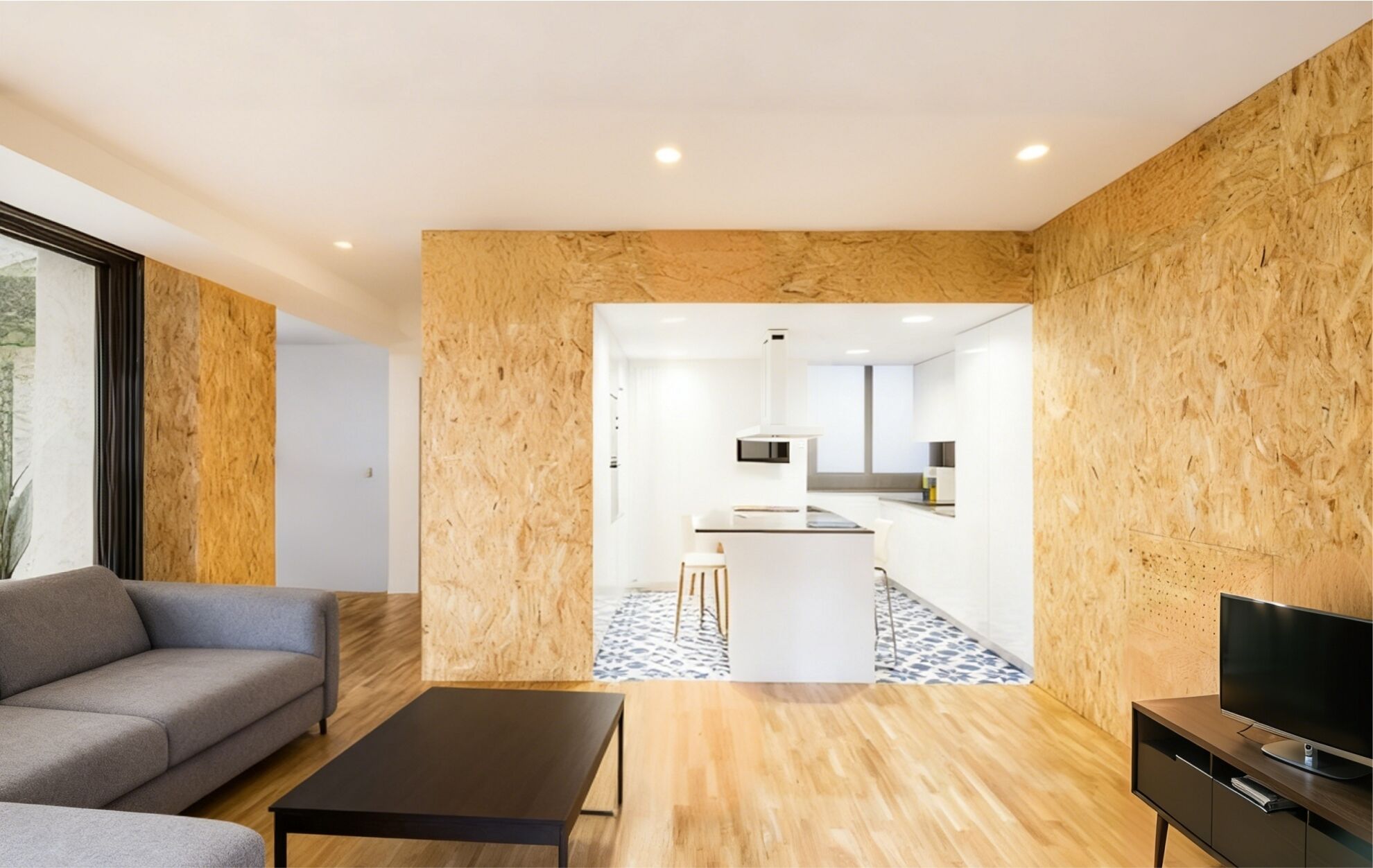
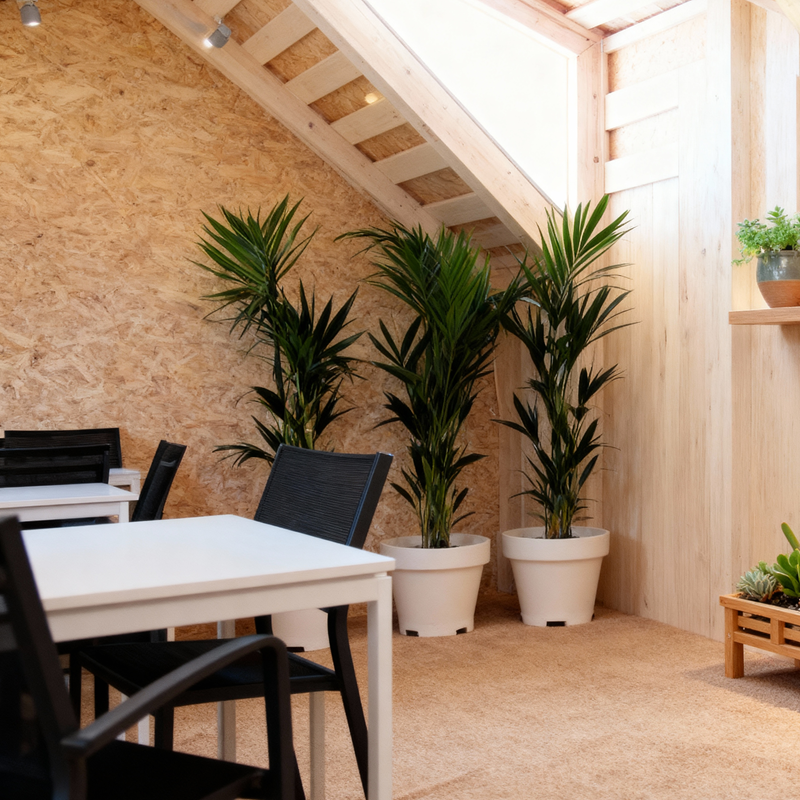
Laminated strand board excels across diverse applications due to its unique combination of structural performance, dimensional stability, and installation efficiency that benefits both professional contractors and end-users. In residential construction, the material serves multiple critical functions including structural sheathing, subflooring systems, and roof decking applications where consistent performance and reliable installation characteristics are essential for project success. The uniform thickness and precise dimensions of laminated strand board panels eliminate the time-consuming sorting and adjustment processes typically required with natural wood products, allowing installation crews to maintain steady work progress and achieve more predictable project schedules. Commercial construction applications leverage the material's superior load-bearing capabilities and dimensional consistency for demanding structural applications including mezzanine floors, wall systems, and specialty architectural features that require both strength and aesthetic appeal. The manufacturing precision results in panels with smooth, consistent surfaces that accept a wide variety of finishes, from paint and stain systems to decorative laminates and veneer overlays, expanding design possibilities for architects and interior designers. Furniture manufacturing represents another significant application area where laminated strand board provides cost-effective solutions for structural components, shelving systems, and cabinet construction where dimensional stability prevents warping and ensures long-term performance. The material's resistance to moisture-related movement makes it particularly valuable for applications in environments with varying humidity conditions, reducing the risk of gaps, splits, or other dimensional changes that could compromise functionality or appearance. Installation benefits extend beyond dimensional consistency to include improved fastener holding power, reduced splitting during installation, and compatibility with standard construction tools and techniques familiar to most contractors. The lightweight nature of laminated strand board panels reduces handling fatigue and installation time while maintaining the structural properties required for demanding applications. Edge sealing and finishing options provide additional protection against moisture infiltration, extending service life in challenging environments and reducing long-term maintenance requirements. Specialized grades and configurations accommodate specific performance requirements including fire-rated applications, moisture-resistant installations, and high-strength structural uses that exceed the capabilities of conventional wood products.

Get a Free Quote

Our representative will contact you soon.
Email
WhatsApp
Name
Company Name
Message
0/1000