Engineered Wood Panel OSB: Superior Structural Performance and Cost-Effective Building Solutions

All Categories

Get a Free Quote

Our representative will contact you soon.
Email
WhatsApp
Name
Company Name
Message
0/1000

engineered wood panel osb

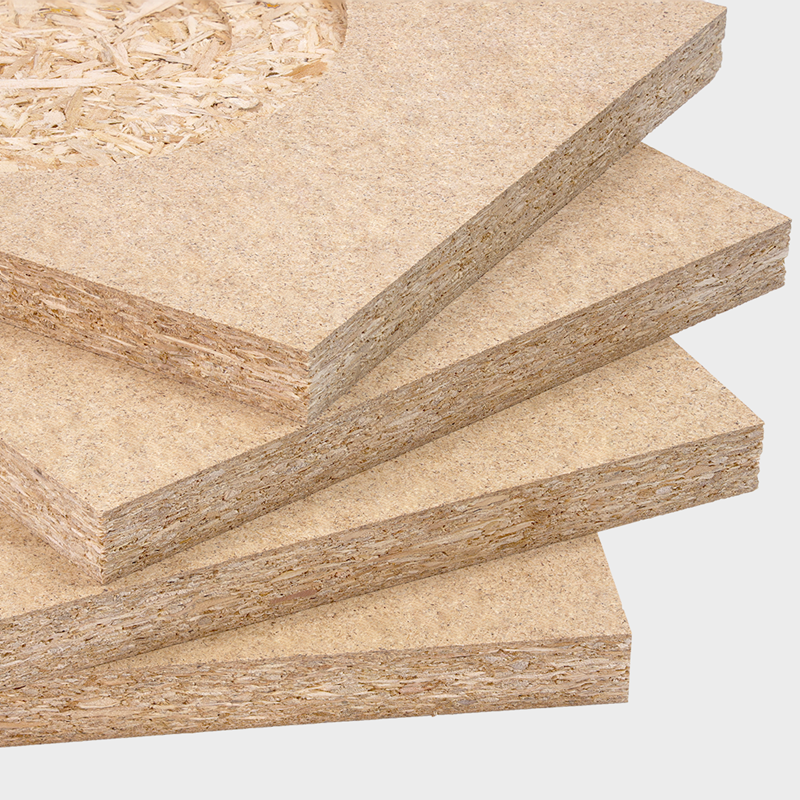
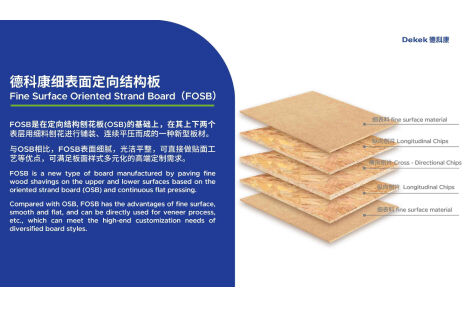
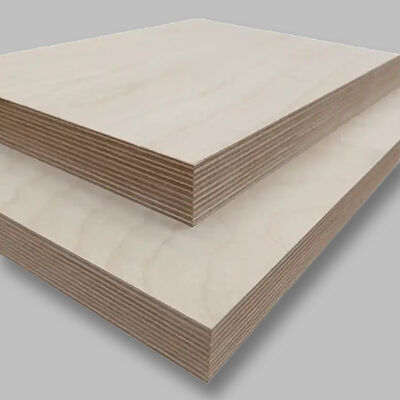
Engineered wood panel OSB (Oriented Strand Board) represents a revolutionary advancement in modern construction materials, designed to deliver exceptional performance while maintaining cost-effectiveness. This engineered wood panel OSB consists of carefully arranged wood strands that are bonded together using advanced adhesive technology, creating a structural material that surpasses traditional plywood in many applications. The manufacturing process involves orienting wood strands in specific directions to maximize strength properties, with outer layers typically running lengthwise and inner layers positioned perpendicular to create superior load-bearing capabilities. The primary functions of engineered wood panel OSB include structural sheathing for walls, roofing applications, flooring substrates, and general construction purposes where dimensional stability and strength are paramount. Technological features of this engineered wood panel OSB include moisture-resistant formulations, precise thickness tolerances, and consistent density throughout the panel. The cross-directional strand orientation provides excellent stiffness and strength characteristics that make it ideal for demanding structural applications. Modern engineered wood panel OSB incorporates environmentally conscious manufacturing processes, utilizing fast-growing wood species and maximizing fiber utilization from each log. Applications span residential construction, commercial buildings, industrial facilities, and specialized projects requiring reliable performance. The engineered wood panel OSB excels in subflooring installations, wall sheathing systems, roof decking, and various furniture manufacturing processes. Its versatility extends to packaging applications, temporary construction barriers, and specialty architectural projects. The panel's uniform composition ensures predictable performance across different environmental conditions, making it a preferred choice for builders seeking dependable results in diverse climates and applications.
Popular Products

The engineered wood panel OSB offers numerous practical benefits that make it an outstanding choice for construction professionals and homeowners alike. Cost-effectiveness stands as the primary advantage, as this engineered wood panel OSB typically costs significantly less than traditional plywood while delivering comparable or superior performance in most applications. The manufacturing process creates panels with consistent quality and fewer defects compared to natural wood products, eliminating concerns about knots, voids, or weak spots that can compromise structural integrity. Strength characteristics of engineered wood panel OSB exceed those of many traditional materials, with the oriented strand construction providing exceptional load-bearing capacity and resistance to bending forces. Installation becomes remarkably straightforward due to the panel's dimensional accuracy and smooth surface finish, reducing labor time and improving overall project efficiency. The engineered wood panel OSB maintains excellent screw and nail holding power, ensuring secure fastening for various construction applications without splitting or cracking issues common in solid wood materials. Moisture resistance properties have been significantly enhanced in modern formulations, making this engineered wood panel OSB suitable for applications where occasional exposure to humidity or moisture may occur. Environmental benefits include responsible forest management practices and efficient utilization of wood resources, as the manufacturing process can utilize smaller, faster-growing trees that would otherwise be unsuitable for traditional lumber production. The consistent thickness and flatness of engineered wood panel OSB eliminates the need for extensive preparation work, allowing for direct application of finishes or coverings. Thermal performance characteristics provide adequate insulation properties while maintaining structural requirements, contributing to energy-efficient building designs. Storage and handling advantages include lighter weight compared to equivalent plywood panels, reducing transportation costs and making installation easier for workers. The engineered wood panel OSB resists warping, twisting, and other dimensional changes that can affect building performance over time, ensuring long-term structural stability and reducing maintenance requirements for completed projects.

Latest News

What are the Differences Between Dekek FOSB, MDF, PB, and Plywood?

31

Oct

What are the Differences Between Dekek FOSB, MDF, PB, and Plywood?

View More
Why Oriented Strand Board Is Popular in Construction Projects

21

Oct

Why Oriented Strand Board Is Popular in Construction Projects

View More
How Can Decorative Panels Enhance Office or Commercial Spaces?

18

Nov

How Can Decorative Panels Enhance Office or Commercial Spaces?

View More
What Makes OSB a Reliable Choice for Walls and Roofs?

18

Nov

What Makes OSB a Reliable Choice for Walls and Roofs?

View More

Get a Free Quote

Our representative will contact you soon.
Email
WhatsApp
Name
Company Name
Message
0/1000

engineered wood panel osb

Superior Structural Performance and Load-Bearing Capacity

Superior Structural Performance and Load-Bearing Capacity

The engineered wood panel OSB delivers exceptional structural performance through its innovative strand orientation technology that creates a material with outstanding load-bearing capacity and dimensional stability. Unlike traditional wood products that rely on natural grain patterns, this engineered wood panel OSB utilizes precisely controlled strand placement to optimize strength characteristics in multiple directions. The manufacturing process involves arranging wood strands in three distinct layers, with surface strands oriented parallel to the panel length and core strands positioned perpendicular, creating a cross-laminated structure that distributes loads effectively across the entire panel surface. This sophisticated arrangement enables the engineered wood panel OSB to handle substantial structural loads while maintaining its shape and integrity under stress conditions that would cause traditional materials to fail. The uniform density distribution throughout each panel ensures consistent performance characteristics, eliminating weak spots or irregularities that could compromise structural reliability. Testing demonstrates that engineered wood panel OSB consistently exceeds industry standards for bending strength, internal bond strength, and modulus of elasticity, making it suitable for critical structural applications including floor systems, roof decking, and wall sheathing installations. The material's ability to resist deflection under load makes it particularly valuable in applications where structural precision is essential, such as engineered floor systems and load-bearing wall assemblies. Furthermore, the engineered wood panel OSB maintains its structural properties across varying environmental conditions, providing reliable performance in both dry and moderately humid environments. The panel's resistance to splitting and cracking ensures that fasteners maintain secure holding power over extended periods, contributing to overall system reliability and longevity. Professional builders appreciate how this engineered wood panel OSB simplifies structural calculations and installation procedures while providing confidence in meeting or exceeding building code requirements for structural adequacy and safety margins.
Cost-Effective Solution with Enhanced Durability

Cost-Effective Solution with Enhanced Durability

The engineered wood panel OSB represents an exceptional value proposition by combining affordability with enhanced durability characteristics that surpass many traditional building materials. Economic advantages begin with the manufacturing process, which efficiently utilizes wood resources by incorporating smaller diameter logs and wood species that cannot be processed into conventional lumber, resulting in lower raw material costs that translate directly into savings for end users. The streamlined production methods and consistent quality control measures eliminate waste and reduce manufacturing expenses, allowing the engineered wood panel OSB to be offered at competitive prices without compromising performance standards. Installation cost savings become apparent through reduced labor requirements, as the panel's consistent dimensions, smooth surfaces, and predictable handling characteristics enable faster installation times and fewer callbacks for quality issues. The engineered wood panel OSB requires minimal preparation work compared to traditional plywood, eliminating time-consuming sorting, grading, and surface preparation activities that add labor costs to construction projects. Durability enhancements include improved resistance to moisture-related degradation, dimensional stability under varying humidity conditions, and resistance to insect damage that can affect natural wood products. The uniform composition of engineered wood panel OSB eliminates natural defects such as knots, splits, and grain irregularities that can create weak points and reduce service life in traditional lumber products. Long-term cost benefits emerge from the material's stability and resistance to warping, twisting, or other dimensional changes that can require costly repairs or replacements in completed structures. The engineered wood panel OSB maintains its structural properties and appearance over extended service periods, reducing maintenance costs and extending replacement intervals compared to less durable alternatives. Quality consistency ensures predictable performance across different batches and suppliers, eliminating concerns about material variability that can lead to construction delays or quality issues. These combined economic and durability advantages make engineered wood panel OSB an intelligent choice for budget-conscious projects without sacrificing quality, reliability, or long-term performance expectations.
Versatile Applications and Environmental Sustainability

Versatile Applications and Environmental Sustainability

The engineered wood panel OSB demonstrates remarkable versatility across diverse construction applications while maintaining strong environmental sustainability credentials that align with modern green building practices. Application versatility spans residential, commercial, and industrial construction sectors, with the engineered wood panel OSB proving equally effective in structural sheathing, subflooring, roof decking, and specialized architectural applications. The material adapts seamlessly to various installation methods, accepting different fastener types, adhesives, and finishing systems without requiring special preparation or modification procedures. Builders appreciate how engineered wood panel OSB performs consistently across different climate zones and building types, from single-family homes to multi-story commercial structures and industrial facilities. The panel's compatibility with modern construction techniques includes integration with engineered floor systems, prefabricated wall assemblies, and modular construction methods that demand precise dimensional tolerances and reliable performance characteristics. Environmental sustainability represents a core advantage of engineered wood panel OSB, beginning with responsible forest management practices that utilize fast-growing wood species and maximize utilization of each harvested tree. The manufacturing process converts wood resources that would otherwise be considered waste or low-grade material into high-performance building products, demonstrating efficient resource utilization that reduces environmental impact. Carbon sequestration benefits occur as the engineered wood panel OSB continues to store carbon throughout its service life, contributing to overall carbon footprint reduction in building construction. Manufacturing facilities often incorporate energy recovery systems and sustainable production practices that minimize environmental impact while maintaining product quality and performance standards. The engineered wood panel OSB supports LEED certification and other green building rating systems through its sustainable sourcing, efficient production methods, and contribution to energy-efficient building envelope systems. End-of-life considerations include potential for recycling and biomass energy recovery, ensuring that the material continues to provide environmental benefits even after its primary service period concludes. These environmental advantages, combined with superior performance characteristics and economic benefits, position engineered wood panel OSB as a responsible choice for environmentally conscious construction projects seeking to minimize ecological impact while maintaining high performance standards.

Get a Free Quote

Our representative will contact you soon.
Email
WhatsApp
Name
Company Name
Message
0/1000