
Phong cách thiết kế nội thất tối giản đã trở nên cực kỳ phổ biến trong những năm gần đây, nhấn mạnh vào các đường nét thanh thoát, tông màu trung tính và không gian thoáng đãng, không bị rối mắt. Tuy nhiên, việc đạt được sự cân bằng hoàn hảo giữa sự đơn giản và điểm nhấn thị giác lại không hề dễ dàng. Một tấm ốp trang trí được lựa chọn kỹ lưỡng tấm trang trí là giải pháp lý tưởng dành cho chủ nhà muốn nâng tầm không gian phòng theo phong cách tối giản mà vẫn không vi phạm các nguyên tắc cốt lõi của triết lý thiết kế này. Những yếu tố linh hoạt này mang đến độ tương phản về kết cấu, chiều sâu và điểm nhấn thị giác, đồng thời vẫn duy trì bầu không khí tĩnh lặng vốn là đặc trưng của thẩm mỹ tối giản.
Một tấm ốp trang trí là một yếu tố bề mặt phẳng hoặc có độ nhám nhẹ, được thiết kế nhằm nâng cao tính thẩm mỹ cho tường đồng thời đáp ứng các chức năng thực tiễn. Trong bối cảnh tối giản, những tấm ốp này thường mang các họa tiết hình học gọn gàng, kết cấu tinh tế hoặc gam màu đơn sắc — tất cả đều hài hòa chứ không lấn át thiết kế hiện hữu. Các lựa chọn tấm ốp trang trí hiệu quả nhất cho không gian tối giản đề cao sự đơn giản, đồng thời mang lại chiều sâu thị giác thông qua tỷ lệ và chất liệu được cân nhắc kỹ lưỡng.
Các thiết kế tấm ốp trang trí hiện đại thường tích hợp các vật liệu tự nhiên như gỗ, đá hoặc lớp hoàn thiện kim loại — những chất liệu phù hợp với nguyên tắc tối giản về tính chân thực và chất lượng. Những vật liệu này mang lại kết cấu hữu cơ, tạo điểm nhấn thị giác mà không làm gia tăng độ phức tạp không cần thiết hay sử dụng các màu sắc rực rỡ có thể phá vỡ bầu không khí thanh bình. Yếu tố then chốt nằm ở việc lựa chọn những tấm ốp không chỉ bổ trợ cho bảng màu hiện hữu của căn phòng mà còn thêm chiều kích đa dạng cho các bề mặt tường vốn phẳng lặng.
Việc lựa chọn vật liệu ảnh hưởng đáng kể đến mức độ hiệu quả mà một tấm ốp trang trí hòa nhập vào không gian nội thất tối giản. Các tấm gỗ tự nhiên mang lại cảm giác ấm áp và kết cấu hữu cơ, đồng thời vẫn duy trì bảng màu trung tính vốn là yếu tố thiết yếu trong thiết kế tối giản. Các loại gỗ sồi nhạt, gỗ bạch dương hoặc gỗ tro cung cấp các hoa văn vân gỗ tinh tế, tạo chiều sâu thị giác mà không hình thành các điểm nhấn quá nổi bật, gây cạnh tranh với các yếu tố thiết kế khác.
Các vật liệu thay thế như bê tông có kết cấu, đá tự nhiên hoặc bề mặt kim loại được phủ lớp sơn tĩnh điện mang đến vẻ hiện đại, đồng thời vẫn tôn trọng thẩm mỹ tối giản. Những vật liệu công nghiệp này góp phần tạo nên vẻ ngoài sạch sẽ, không cầu kỳ – đặc trưng của không gian tối giản hiện đại. Mỗi lựa chọn vật liệu cần hỗ trợ tổng thể câu chuyện thiết kế, đồng thời mang lại sự nâng cao thị giác tinh tế nhằm ngăn chặn cảm giác vô hồn hay thiếu thân thiện trong các căn phòng theo phong cách tối giản.
Việc bố trí một tấm ốp trang trí hiệu quả đòi hỏi phải cân nhắc cẩn thận các điểm nhấn hiện có trong phòng cũng như luồng di chuyển. Trong các phòng khách mang phong cách tối giản, việc đặt các tấm ốp phía sau khu vực ghế ngồi sẽ tạo nên những nền hậu cảnh tinh tế, giúp phân định không gian mà không cần thêm bất kỳ đồ nội thất hay phụ kiện nào khác. Cách tiếp cận này duy trì vẻ ngoài gọn gàng, không lộn xộn đồng thời mang lại điểm tựa thị giác, khiến căn phòng trông được thiết kế một cách chủ ý thay vì chỉ đơn thuần trống rỗng.
Trong phòng ngủ, việc bố trí tấm ốp trang trí phía sau đầu giường thường mang lại hiệu quả cao, tạo nên những bức tường điểm nhấn thanh lịch, loại bỏ nhu cầu sử dụng tranh treo tường hoặc nhiều vật trang trí khác. Chiến lược này tập trung toàn bộ sự thu hút thị giác vào một yếu tố duy nhất, được lên kế hoạch kỹ lưỡng, vừa phục vụ mục đích thẩm mỹ vừa đáp ứng chức năng. Tấm ốp từ đó trở thành tuyên ngôn thiết kế chính của căn phòng, đồng thời hỗ trợ nguyên tắc tối giản lấy sự đơn giản có chủ đích làm trọng tâm.
Việc lựa chọn tỷ lệ phù hợp đảm bảo rằng các tấm ốp trang trí làm nổi bật — chứ không lấn át — những không gian tối giản. Các tấm ốp kích thước lớn phát huy hiệu quả tốt trong những căn phòng rộng rãi có trần cao, tạo ra tác động thị giác ấn tượng nhưng vẫn tinh tế và kiểm soát. Những căn phòng nhỏ hơn lại phù hợp hơn với các tấm ốp có kích thước khiêm tốn hơn, vừa mang lại độ tương phản về kết cấu và sự thú vị, vừa không chiếm quá nhiều diện tích hạn chế hay khiến không gian trở nên chật chội.
Mối quan hệ giữa kích thước tấm ốp và tỷ lệ phòng trực tiếp ảnh hưởng đến thành công tổng thể về mặt thẩm mỹ. Các lắp đặt cân đối về tỷ lệ tạo nên sự hài hòa giữa các yếu tố kiến trúc và các chi tiết trang trí, từ đó hỗ trợ cho bố cục cân bằng — đặc điểm cốt lõi định nghĩa những không gian nội thất tối giản thành công. Sự chú ý kỹ lưỡng này đến tỷ lệ giúp tránh việc tấm trang trí trở nên quá nhỏ bé đến mức khó nhận ra, hoặc lại quá nổi bật đến mức phá vỡ bầu không khí tĩnh lặng và thanh tịnh đặc trưng của phong cách tối giản.
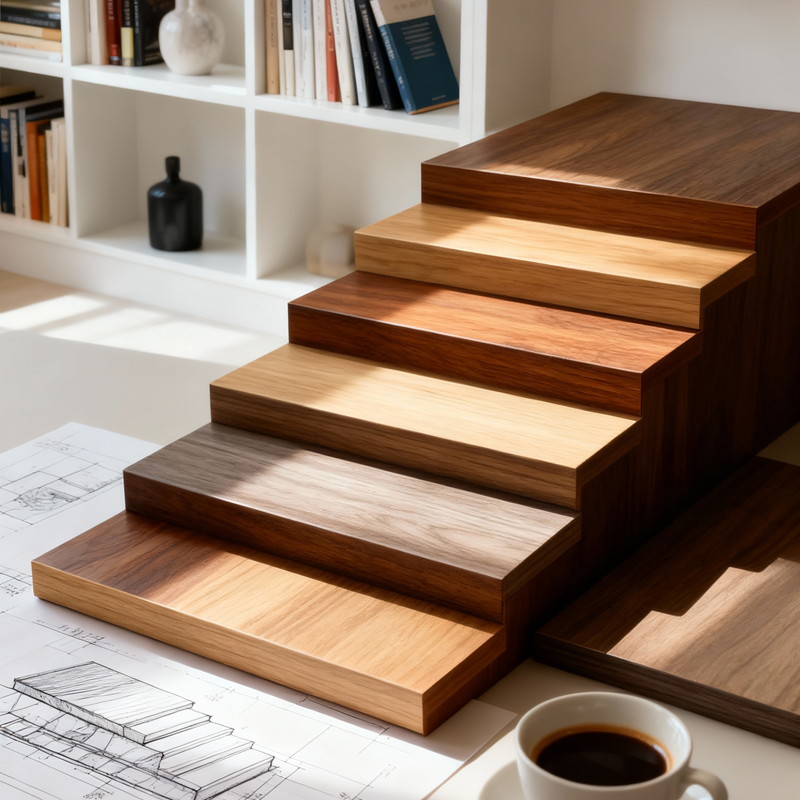
Việc tích hợp thành công các tấm ốp trang trí phụ thuộc rất nhiều vào việc lựa chọn màu sắc một cách cân nhắc sao cho hài hòa với bảng màu tối giản hiện có. Các tấm màu trắng, kem và xám ấm tạo ra sự tương phản tinh tế trên nền tường trắng tinh khiết, đồng thời vẫn duy trì các gam màu đơn sắc đặc trưng của phong cách thiết kế tối giản. Những tông màu trung tính này tạo chiều sâu và điểm nhấn thị giác thông qua sự biến đổi về độ đậm nhạt thay vì sử dụng các màu tương phản mạnh có thể làm phá vỡ không gian yên bình.
Các tùy chọn màu ngà và bề mặt hoàn thiện tự nhiên mang lại giải pháp đặc biệt linh hoạt, phù hợp với nhiều điều kiện chiếu sáng khác nhau cũng như thay đổi theo mùa. Những màu sắc này cung cấp đủ độ ấm để tránh cho không gian tối giản trở nên lạnh lẽo hoặc mang cảm giác như cơ sở y tế, đồng thời vẫn giữ được vẻ ngoài sạch sẽ, mộc mạc vốn là đặc trưng định nghĩa phong cách này. Sự khác biệt tinh tế về màu sắc giúp làm nổi bật các yếu tố kiến trúc và tạo ranh giới thị giác mà không cần đến các màu nhấn mạnh hay họa tiết nổi bật.
Khi bảng màu vẫn cố ý bị giới hạn, kết cấu trở nên quan trọng để tạo ra sự tham gia trực quan trong không gian tối giản. Một tấm trang trí với sự thay đổi bề mặt tinh tế, chẳng hạn như rãnh tuyến tính, mẫu hình học hoặc hạt gỗ tự nhiên, cung cấp sự quan tâm xúc giác thu hút sự chú ý mà không làm cho các giác quan bị áp đảo. Những yếu tố kết cấu này tạo ra bóng và ánh sáng nổi bật thay đổi trong suốt cả ngày khi ánh sáng tự nhiên thay đổi.
Thiết kế bảng trang trí ba chiều có thể giới thiệu chi tiết kiến trúc làm tăng sự tinh tế của căn phòng trong khi tôn trọng các nguyên tắc tối giản. Các mẫu hình học được nâng lên, công việc khắc phục tinh tế hoặc các sóng bề mặt được lên kế hoạch cẩn thận tạo ra độ sâu thị giác ngăn chặn các bức tường xuất hiện phẳng và không thú vị. Chìa khóa nằm ở việc chọn các kết cấu có cảm giác có chủ ý và tinh tế hơn là bận rộn hoặc gây phân tâm.
Ngoài giá trị thẩm mỹ, việc lắp đặt các tấm ốp trang trí thường mang lại lợi ích về mặt âm học, giúp cải thiện sự thoải mái tổng thể cho các không gian tối giản. Các bề mặt cứng – vốn phổ biến trong nội thất tối giản – có thể gây hiện tượng vang vọng và phản xạ âm thanh, khiến phòng trở nên kém thoải mái hơn khi trò chuyện hoặc thư giãn. Bề mặt có kết cấu của các tấm ốp trang trí giúp phân tán sóng âm, giảm tiếng vang và tạo ra môi trường âm học dễ chịu hơn.
Các tấm hấp thụ âm thanh bọc vải mang lại chức năng kép bằng cách kết hợp khả năng hấp thụ âm với tính thẩm mỹ cao. Các giải pháp này đặc biệt hiệu quả trong các ngôi nhà tối giản theo kiểu mở, nơi quản lý âm thanh trở nên vô cùng quan trọng nhằm duy trì không gian sống yên tĩnh và tiện dụng. Lợi ích âm học không chỉ nâng cao bầu không khí thanh bình mà phong cách thiết kế tối giản hướng đến, mà còn giải quyết những vấn đề thực tiễn liên quan đến sự thoải mái.
Các vật liệu tấm trang trí chất lượng thường dễ bảo trì hơn so với tường sơn hoặc giấy dán tường. Nhiều hệ thống tấm hiện đại được phủ lớp hoàn thiện bền bỉ, chống bám bẩn, chống xước và chống mài mòn chung tốt hơn các giải pháp xử lý tường truyền thống. Độ bền này phù hợp với nguyên tắc tối giản trong việc lựa chọn những sản phẩm chất lượng cao có thể thực hiện hiệu quả chức năng của mình trong thời gian dài.
Việc lắp đặt hệ thống tấm trang trí cũng giúp bảo vệ bề mặt tường bên dưới khỏi hư hại, đồng thời tạo điều kiện thuận lợi cho việc cập nhật hoặc điều chỉnh dễ dàng. Sự linh hoạt này hỗ trợ cách tiếp cận tối giản bằng cách đầu tư vào những yếu tố nền tảng chất lượng cao, có khả năng thích ứng với nhu cầu thay đổi mà không cần phải cải tạo toàn bộ hay thay thế hoàn toàn.
Độ phức tạp của việc lắp đặt tấm ốp trang trí thay đổi đáng kể tùy thuộc vào vật liệu và hệ thống gắn kết được lựa chọn. Các tấm ốp được gắn bằng keo đơn giản có thể phù hợp với việc tự lắp đặt, trong khi các hệ thống phức tạp hơn đòi hỏi đo đạc chính xác và gắn kết vào kết cấu thì nên được thực hiện bởi thợ chuyên nghiệp. Các nguyên tắc thiết kế tối giản nhấn mạnh vào chất lượng thi công, do đó việc thuê thợ chuyên nghiệp để lắp đặt là xứng đáng nhằm đạt được vẻ ngoài tinh tế, chính xác – yếu tố tạo nên thành công cho không gian nội thất tối giản.
Các thợ lắp đặt chuyên nghiệp đảm bảo độ thẳng hàng, khoảng cách và chi tiết hoàn thiện đúng chuẩn, góp phần tạo nên vẻ ngoài chỉn chu – yếu tố then chốt trong các không gian tối giản. Bất kỳ sai sót nào trong quá trình lắp đặt đều trở nên đặc biệt dễ nhận thấy trong môi trường sạch sẽ, không rườm rà vốn là đặc trưng của phong cách thiết kế tối giản. Việc đầu tư vào dịch vụ lắp đặt chất lượng sẽ hỗ trợ thành công về mặt thẩm mỹ lâu dài cho các yếu tố tấm ốp trang trí.
Việc tích hợp thành công các tấm ốp trang trí đòi hỏi sự phối hợp cẩn trọng với các yếu tố kiến trúc hiện có, bố trí đồ nội thất và thiết kế chiếu sáng. Tấm ốp cần làm nổi bật chứ không nên cạnh tranh với cửa sổ, lối đi ra vào, hệ thống tủ gắn cố định hoặc các yếu tố kiến trúc khác. Sự phối hợp này đảm bảo rằng tấm ốp trang trí mang cảm giác như một phần không thể tách rời trong thiết kế căn phòng, thay vì chỉ là một yếu tố được bổ sung sau cùng.
Các yếu tố liên quan đến chiếu sáng trở nên đặc biệt quan trọng khi lắp đặt các bề mặt tấm ốp trang trí có kết cấu tạo ra bóng đổ và điểm nhấn. Các nguồn sáng tự nhiên và nhân tạo cần được bố trí sao cho làm nổi bật những đặc điểm tốt nhất của tấm ốp, đồng thời tránh tạo ra những bóng đổ gắt hoặc phản quang gây ảnh hưởng tiêu cực đến tổng thể thẩm mỹ tối giản. Việc chú trọng phối hợp chiếu sáng này giúp tối đa hóa hiệu quả thị giác, đồng thời duy trì bầu không khí thanh bình mà phong cách thiết kế tối giản hướng tới.
Triết lý thiết kế tối giản nhấn mạnh việc lựa chọn ít món đồ hơn nhưng có chất lượng cao hơn, thay vì chọn nhiều món đồ giá rẻ. Nguyên tắc này áp dụng trực tiếp vào việc lựa chọn tấm ốp trang trí, trong đó đầu tư vào vật liệu và quy trình sản xuất chất lượng sẽ đảm bảo sự hài lòng và độ bền lâu dài. Các vật liệu cao cấp duy trì được vẻ ngoài và chức năng của chúng theo thời gian, từ đó hỗ trợ mục tiêu tối giản là tạo nên những không gian vượt thời gian và trường tồn.
Các vật liệu tấm ốp trang trí chất lượng cao chống phai màu, cong vênh hoặc xuống cấp trong điều kiện sử dụng bình thường. Độ bền này giúp giảm nhu cầu bảo trì và chi phí thay thế, đồng thời đảm bảo tính thẩm mỹ tối giản luôn nhất quán theo thời gian. Khoản đầu tư ban đầu vào vật liệu chất lượng cuối cùng sẽ vừa đáp ứng các mục tiêu kinh tế vừa phục vụ các mục tiêu thẩm mỹ gắn liền với phong cách thiết kế nội thất tối giản.
Các hệ thống ốp panel trang trí được thiết kế kỹ lưỡng mang lại tính linh hoạt cho sự phát triển thiết kế trong tương lai mà không cần thực hiện các công trình cải tạo lớn. Các hệ thống panel dạng mô-đun cho phép tái bố trí hoặc thay thế từng phần khi sở thích thay đổi hoặc không gian được sử dụng cho mục đích mới. Tính thích ứng này phù hợp với các nguyên tắc tối giản về tiêu dùng có chủ đích và các thực tiễn thiết kế bền vững.
Đặc tính trung tính của phần lớn các lựa chọn panel trang trí phù hợp với phong cách tối giản đảm bảo khả năng tương thích với nhiều hướng thiết kế tương lai khác nhau. Dù chủ nhà sau này có thiên về bảng màu ấm hơn, thêm nhiều chất liệu tự nhiên hơn hay kết hợp các phong cách nội thất khác nhau, thì các panel trung tính chất lượng vẫn cung cấp những yếu tố nền tảng ổn định, hỗ trợ quá trình phát triển thiết kế thay vì giới hạn nó.
Các phòng nhỏ mang phong cách tối giản sẽ được hưởng lợi từ những tấm ốp cỡ trung bình, tạo điểm nhấn thị giác mà không làm quá tải không gian hạn chế. Các tấm ốp bao phủ khoảng một phần ba đến một nửa diện tích bề mặt tường sẽ tạo ra tác động vừa đủ, đồng thời vẫn giữ được cảm giác thoáng đãng và không rối mắt — yếu tố thiết yếu trong thiết kế tối giản. Tránh sử dụng các tấm ốp quá nhỏ khiến chúng trở nên thiếu trọng lượng hoặc các tấm ốp quá lớn chiếm hết không gian, khiến căn phòng trông chật chội.
Các tấm ốp trang trí có thể hài hòa với tường có màu trong không gian tối giản khi màu sắc của chúng nằm trong dải tông trung tính như xám nhạt, trắng ấm hoặc các tông đất trầm. Yếu tố then chốt là duy trì sự hài hòa về tông màu giữa tấm ốp và tường, đồng thời đảm bảo độ tương phản đủ rõ để tấm ốp nổi bật như một yếu tố thiết kế riêng biệt. Tránh các kết hợp có độ tương phản cao gây căng thẳng thị giác, trái ngược với nguyên tắc tối giản.
Các tấm ốp trang trí thường mang lại giải pháp kiến trúc tích hợp hơn so với các tác phẩm nghệ thuật truyền thống trong không gian tối giản. Trong khi tác phẩm nghệ thuật đòi hỏi khung tranh, thiết bị treo và việc bố trí cẩn thận, thì các tấm ốp lại trở thành một phần của bề mặt tường, tạo ra những đường nét gọn gàng hơn và giảm thiểu sự lộn xộn về thị giác. Các tấm ốp cũng có độ bền cao hơn và yêu cầu bảo trì ít hơn so với tác phẩm nghệ thuật được đóng khung, đồng thời vẫn mang lại hiệu quả thẩm mỹ tương đương.
Hầu hết các tấm ốp trang trí chất lượng cao chỉ cần bảo trì tối thiểu, thường bao gồm việc lau bụi định kỳ bằng khăn mềm hoặc hút bụi nhẹ nhàng đối với các bề mặt có kết cấu. sản phẩm trong khi đó, các tấm ốp gỗ có thể được dưỡng định kỳ bằng sản phẩm chăm sóc gỗ phù hợp, còn các vật liệu kim loại hoặc tổng hợp thường chỉ cần làm sạch định kỳ bằng chất tẩy rửa dịu nhẹ. Yêu cầu bảo trì thấp này rất phù hợp với xu hướng tối giản, vốn đề cao các giải pháp sống thực tiễn và hiệu quả.
 Tin nóng
Copyright © 2026 GuangXi Dekek Group.All rights reserved.
 EN
EN


