Premium Furniture Grade Decorative Panels - Durable, Versatile Solutions for Modern Furniture Manufacturing

All Categories

Get a Free Quote

Our representative will contact you soon.
Email
WhatsApp
Name
Company Name
Message
0/1000

furniture grade decorative panels

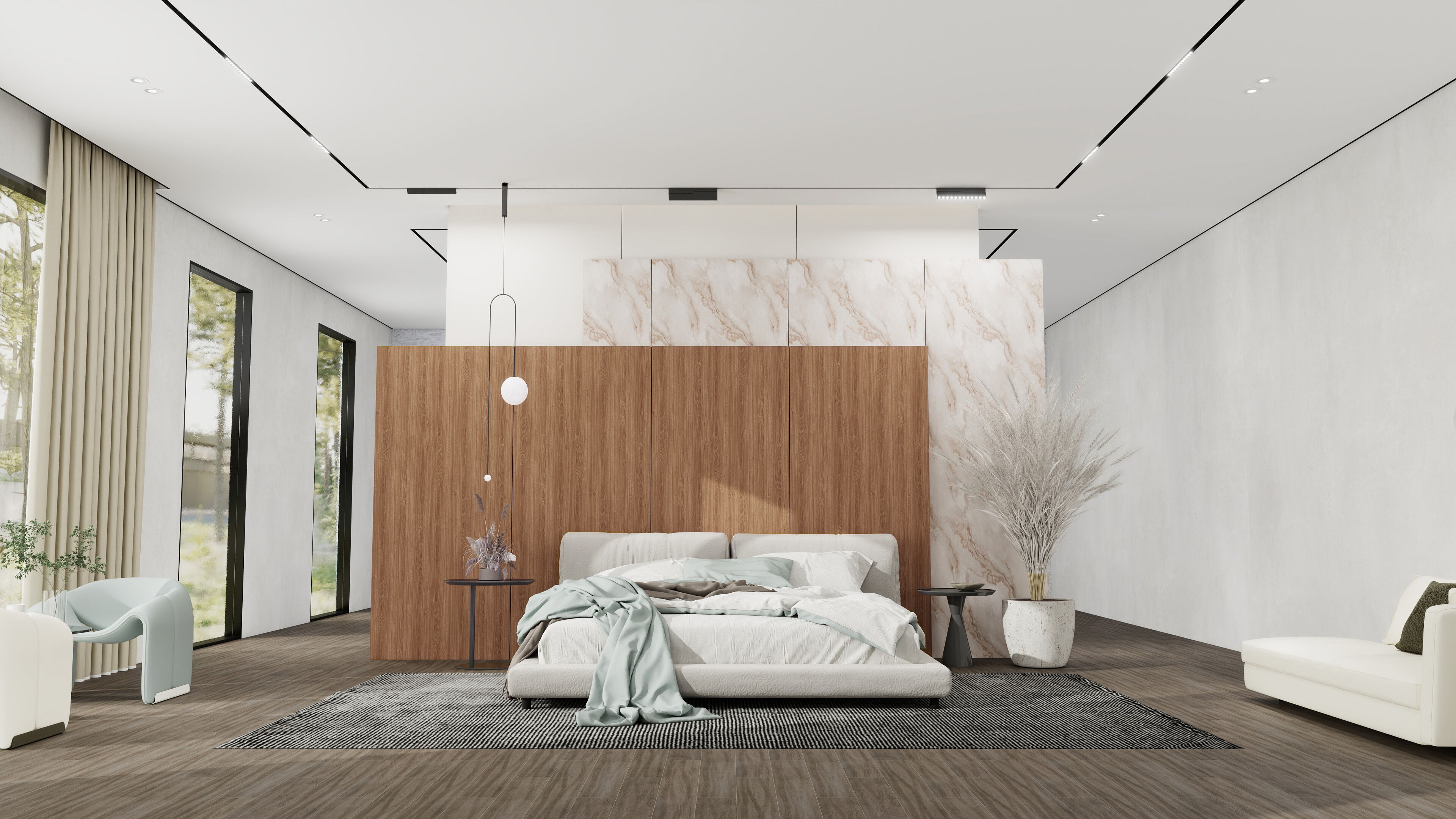
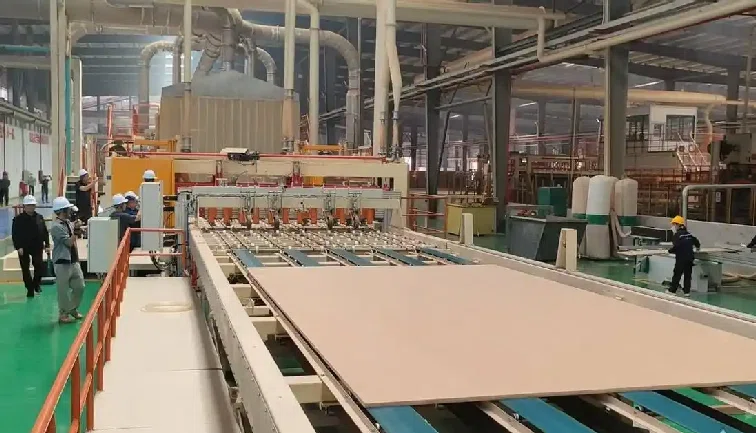
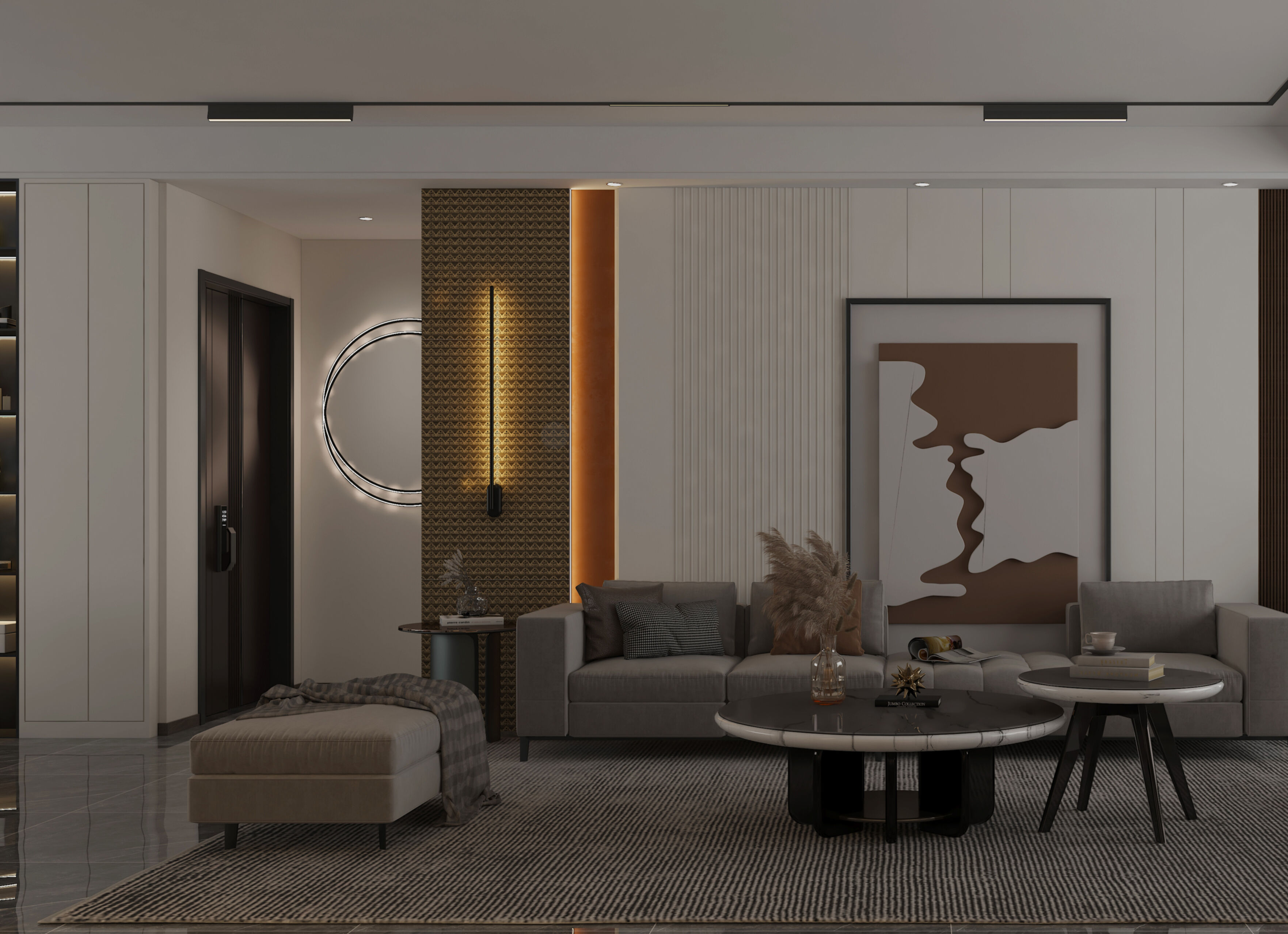
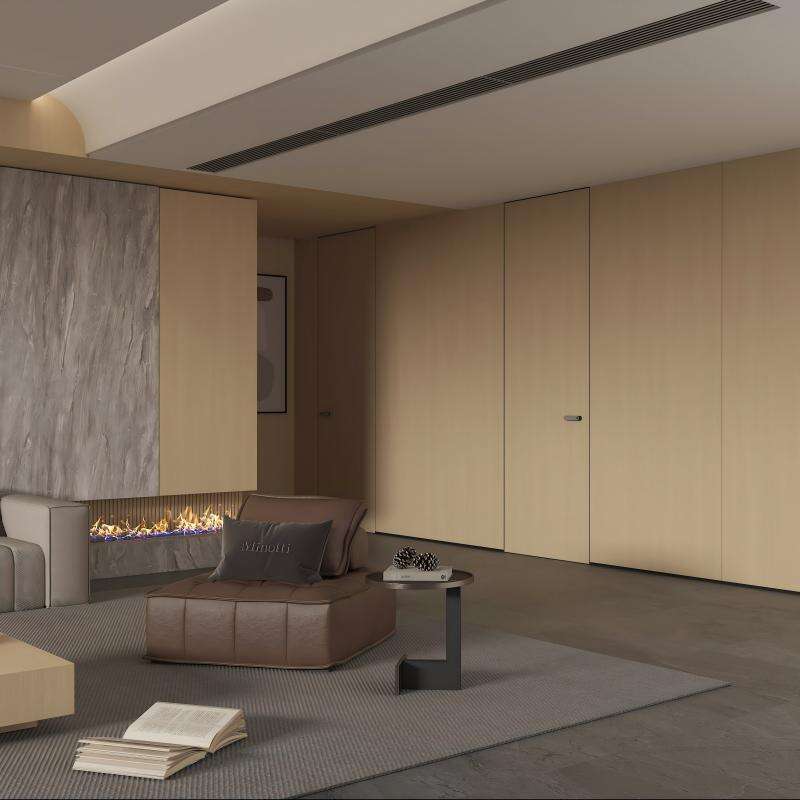
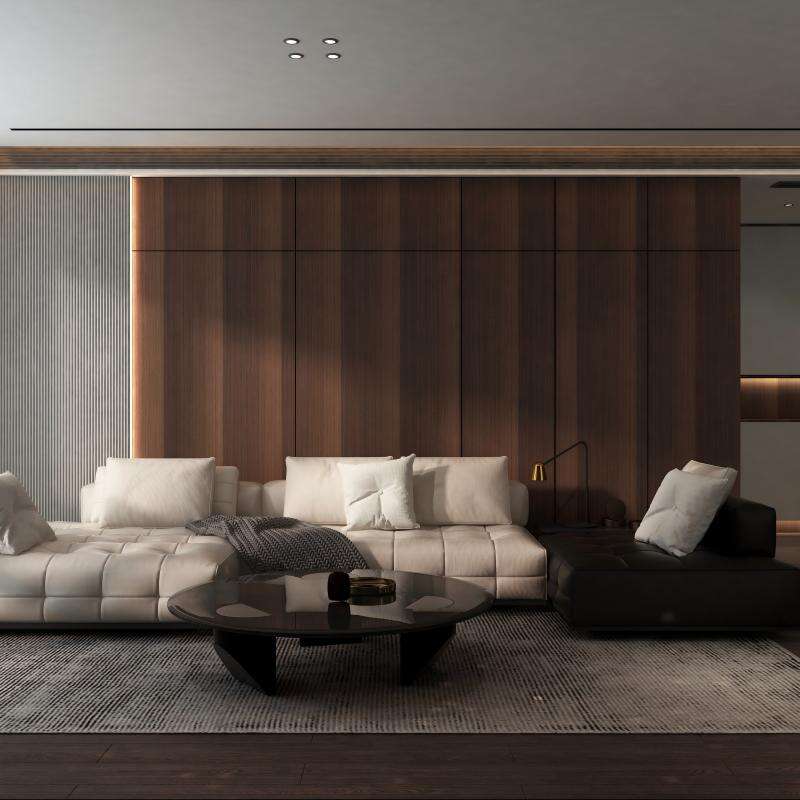
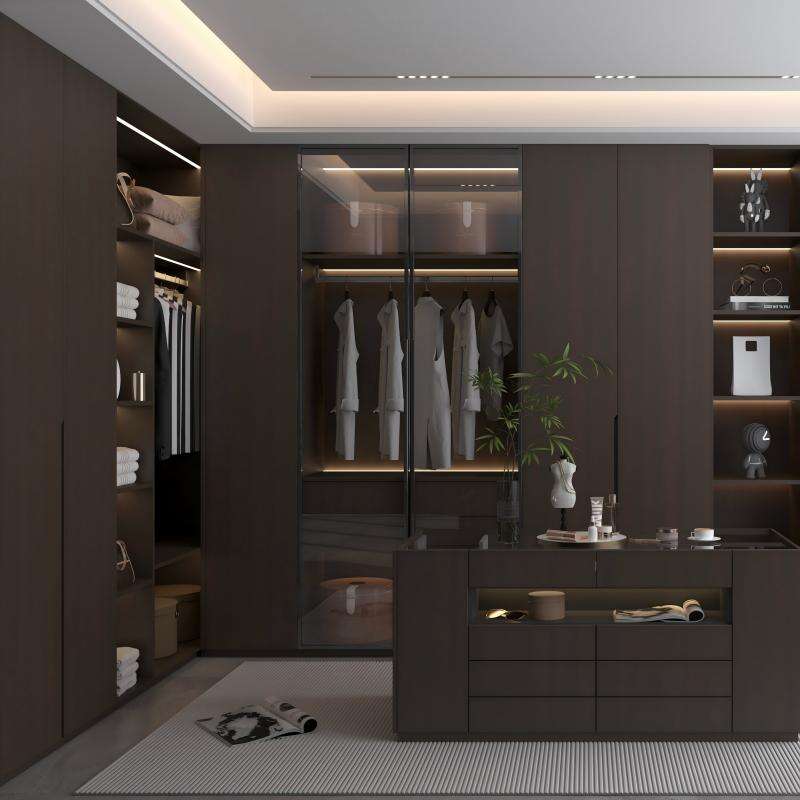
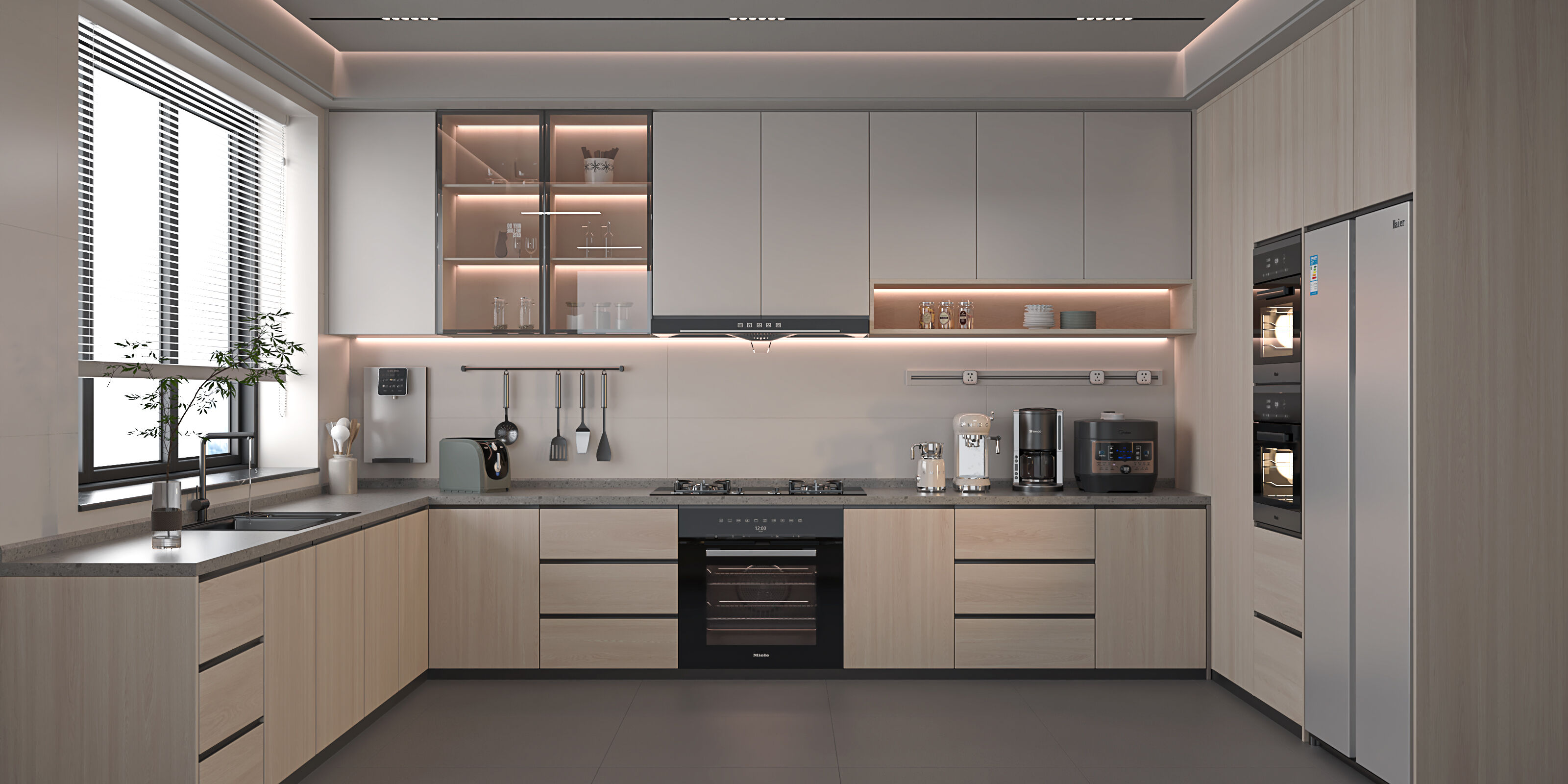
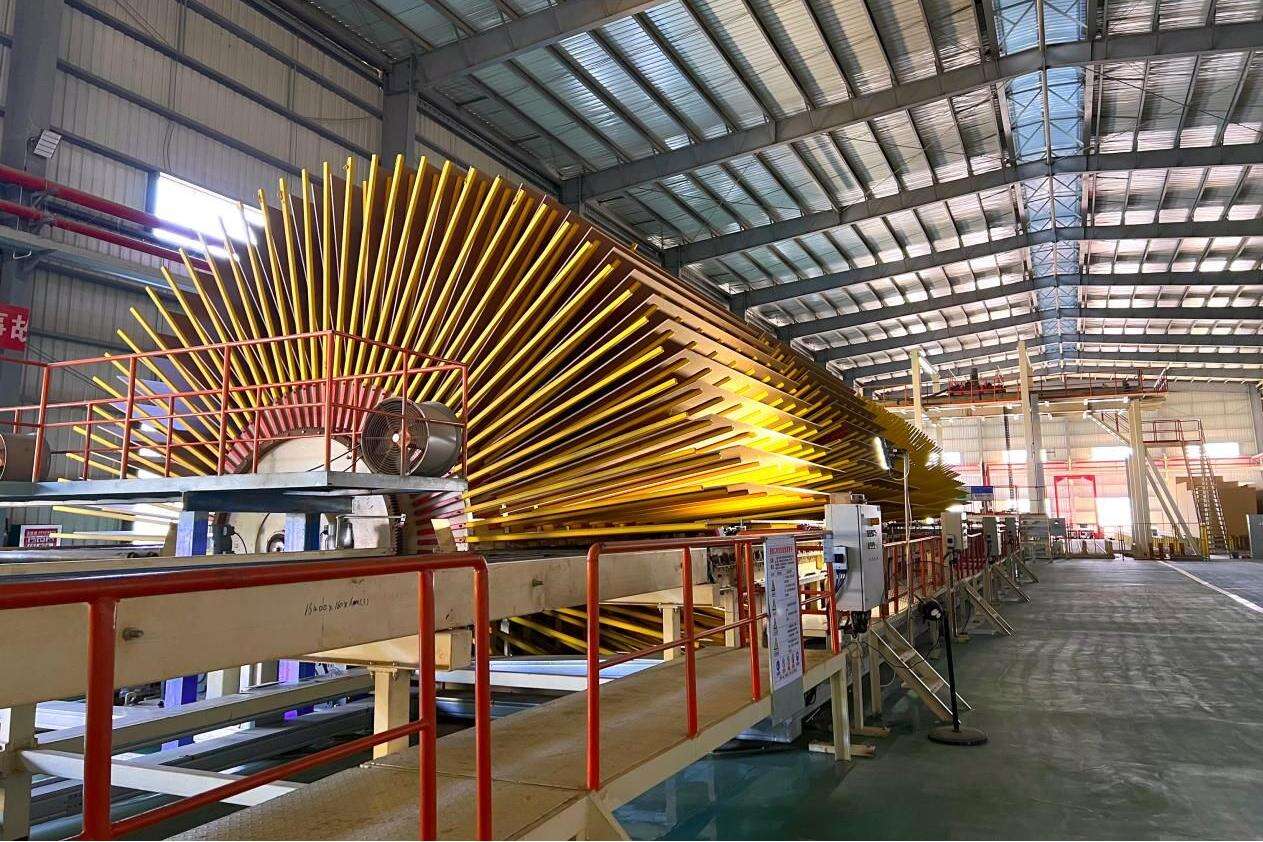
Furniture grade decorative panels represent a sophisticated solution for modern interior design and furniture manufacturing, combining aesthetic appeal with functional durability. These specialized panels are engineered to meet the demanding requirements of furniture production while delivering superior visual impact across residential and commercial applications. The primary functions of furniture grade decorative panels include surface enhancement, structural reinforcement, and design versatility. These panels serve as protective barriers against moisture, scratches, and everyday wear while simultaneously providing an attractive finish that elevates the overall appearance of furniture pieces. The technological features of furniture grade decorative panels encompass advanced lamination processes, precision manufacturing techniques, and innovative material compositions. Modern production methods utilize high-pressure lamination technology that bonds decorative surface layers to stable substrate cores, creating panels with exceptional dimensional stability and resistance to warping. The substrate materials typically consist of medium-density fiberboard, particle board, or plywood, selected based on specific performance requirements and end-use applications. Surface treatments incorporate melamine resins, phenolic compounds, and specialized adhesives that ensure long-lasting adhesion and durability. Applications for furniture grade decorative panels span numerous sectors including residential furniture manufacturing, commercial cabinetry, retail fixtures, and hospitality furnishings. These panels are extensively used in kitchen cabinets, wardrobes, office furniture, shelving systems, and display units. The versatility of furniture grade decorative panels makes them suitable for both horizontal and vertical applications, accommodating various design requirements and structural needs. Manufacturing processes involve computerized cutting systems, edge banding applications, and quality control measures that ensure consistent performance standards. The panels are available in multiple thicknesses, sizes, and surface textures to accommodate diverse project specifications and design preferences.

New Products

Furniture grade decorative panels offer numerous practical benefits that make them an excellent choice for both manufacturers and end users. Cost-effectiveness stands as a primary advantage, as these panels provide premium appearance at a fraction of the cost compared to solid wood alternatives. This economic benefit allows manufacturers to create high-quality furniture pieces while maintaining competitive pricing structures, ultimately benefiting consumers who receive superior products at affordable prices. The installation process of furniture grade decorative panels is remarkably straightforward, requiring minimal specialized tools or extensive technical expertise. Standard woodworking equipment and basic carpentry skills are sufficient for most applications, reducing labor costs and installation time. This simplicity translates to faster project completion and lower overall construction expenses. Maintenance requirements are minimal, as furniture grade decorative panels resist staining, fading, and surface damage that commonly affects natural wood surfaces. Regular cleaning with mild detergents maintains their appearance without requiring refinishing or specialized treatments. The dimensional stability of furniture grade decorative panels prevents warping, splitting, and seasonal movement that often occurs with solid wood materials. This stability ensures consistent performance across varying environmental conditions, including temperature fluctuations and humidity changes. The panels maintain their shape and structural integrity over extended periods, reducing warranty claims and replacement needs. Design flexibility represents another significant advantage, as furniture grade decorative panels are available in countless patterns, colors, and textures. This variety enables designers and manufacturers to achieve specific aesthetic goals while meeting diverse customer preferences. The panels can replicate natural wood grains, stone textures, fabric patterns, and contemporary designs with remarkable accuracy. Environmental considerations favor furniture grade decorative panels, as they utilize recycled materials and sustainable manufacturing processes. The efficient use of raw materials reduces waste generation while providing consistent quality standards. Many panels incorporate post-consumer recycled content and are manufactured using environmentally responsible practices. Quality consistency ensures uniform appearance and performance characteristics across production runs, eliminating the natural variations found in solid wood materials. This consistency simplifies inventory management and reduces material waste during manufacturing processes.

Tips And Tricks

Dekek FOSB – The Scent of Nature, The Choice of Quality

22

Aug

Dekek FOSB – The Scent of Nature, The Choice of Quality

View More
How is Dekek to make sure the Anti-deformation Performance in Panels

29

Oct

How is Dekek to make sure the Anti-deformation Performance in Panels

View More
What Innovative Wall Panel Styles Are Trending in 2025?

24

Nov

What Innovative Wall Panel Styles Are Trending in 2025?

View More
What Makes OSB a Reliable Choice for Walls and Roofs?

18

Nov

What Makes OSB a Reliable Choice for Walls and Roofs?

View More

Get a Free Quote

Our representative will contact you soon.
Email
WhatsApp
Name
Company Name
Message
0/1000

furniture grade decorative panels

Superior Durability and Performance Standards

Superior Durability and Performance Standards

Furniture grade decorative panels excel in providing exceptional durability that surpasses many traditional materials used in furniture manufacturing. The advanced engineering behind these panels incorporates multi-layer construction techniques that create products capable of withstanding intensive daily use while maintaining their original appearance and structural integrity. The surface layers are specifically formulated to resist scratches, impacts, and abrasion that would typically damage conventional wood finishes. This resistance stems from the use of high-grade melamine and phenolic resins that form a protective barrier against physical damage and chemical exposure. The substrate core provides structural stability that prevents sagging, warping, or dimensional changes even under heavy loads or in challenging environmental conditions. Moisture resistance represents a critical performance feature, as furniture grade decorative panels incorporate specialized treatments that prevent water penetration and subsequent swelling or delamination. This moisture protection makes them ideal for applications in kitchens, bathrooms, and other high-humidity environments where traditional wood materials would deteriorate rapidly. The thermal stability of these panels ensures consistent performance across wide temperature ranges, preventing expansion and contraction that could compromise joint integrity or surface appearance. UV resistance protects against fading and color degradation when exposed to natural or artificial lighting, maintaining vibrant colors and patterns throughout the product lifecycle. The manufacturing process includes rigorous quality testing protocols that verify adhesion strength, surface hardness, and dimensional stability under accelerated aging conditions. These tests ensure that furniture grade decorative panels meet or exceed industry standards for commercial and residential applications. Edge sealing capabilities prevent moisture infiltration at cut edges, providing comprehensive protection that extends product lifespan and maintains warranty coverage. The combination of these durability features results in furniture pieces that retain their aesthetic appeal and functional performance for decades, providing excellent value for consumers and reducing replacement frequency for manufacturers.
Extensive Design Possibilities and Customization Options

Extensive Design Possibilities and Customization Options

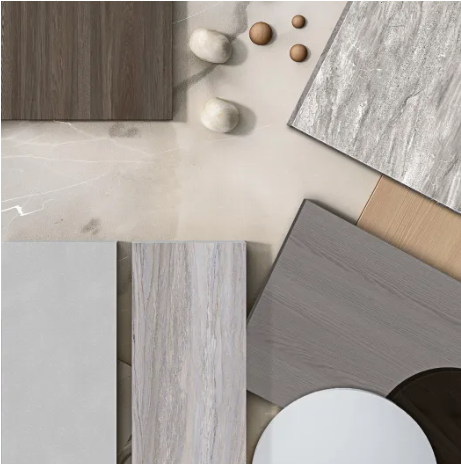
The design versatility of furniture grade decorative panels opens unlimited creative possibilities for furniture manufacturers, interior designers, and architects seeking to achieve specific aesthetic objectives. Modern printing and texturing technologies enable the reproduction of virtually any natural or synthetic pattern with extraordinary detail and realism. Wood grain reproductions capture the subtle variations, pore structures, and color gradations found in premium hardwood species, allowing designers to specify exotic or endangered wood appearances without environmental concerns. Stone and mineral patterns replicate marble veining, granite textures, and slate surfaces with three-dimensional depth that creates convincing tactile experiences. Contemporary designs incorporate geometric patterns, metallic finishes, fabric textures, and artistic motifs that support modern architectural trends and design preferences. The customization capabilities extend beyond standard catalog offerings, as manufacturers can produce panels with specific colors, patterns, and textures to meet unique project requirements. Digital printing technology allows for the creation of custom graphics, logos, and branded elements that enhance corporate identity in commercial applications. Color matching services ensure perfect coordination with existing design elements or specific color schemes specified by design professionals. Surface texture options range from smooth, glossy finishes to deep embossed patterns that provide realistic tactile qualities. Gloss levels can be adjusted from high-gloss mirror finishes to matte surfaces that minimize fingerprints and glare. The ability to combine multiple design elements within single panels creates unique aesthetic effects that distinguish furniture pieces in competitive markets. Edge banding options complement panel surfaces with matching or contrasting colors and textures, providing seamless integration that enhances overall design coherence. Special effects such as metallic accents, pearl finishes, and holographic patterns add premium appeal for luxury applications. The extensive selection of furniture grade decorative panels enables manufacturers to develop distinctive product lines that cater to diverse market segments while maintaining cost-effective production processes. This design flexibility empowers creative professionals to realize ambitious projects without compromising budget constraints or technical limitations.
Environmental Sustainability and Resource Conservation

Environmental Sustainability and Resource Conservation

Furniture grade decorative panels contribute significantly to environmental sustainability through efficient resource utilization, recycled content incorporation, and reduced environmental impact compared to traditional solid wood alternatives. The manufacturing process maximizes the use of available raw materials by utilizing wood chips, sawdust, and other wood industry byproducts that would otherwise become waste streams. This efficient utilization reduces the demand for virgin timber while creating valuable products from materials that have minimal alternative uses. Many furniture grade decorative panels incorporate substantial percentages of post-consumer recycled content, including recycled wood fibers and recovered paper products, supporting circular economy principles and waste reduction initiatives. The substrate cores often contain recycled materials that meet or exceed environmental certification standards while maintaining structural performance requirements. Formaldehyde emissions are carefully controlled through advanced resin formulations and manufacturing processes that minimize volatile organic compound release, creating healthier indoor environments for end users. Low-emission panels qualify for green building certifications and contribute to improved indoor air quality standards in residential and commercial applications. The longevity of furniture grade decorative panels reduces replacement frequency and associated environmental impacts related to disposal and new material production. Extended product lifecycles decrease the overall environmental footprint by maximizing the utility derived from initial resource investments. Transportation efficiency benefits from the lightweight nature and standardized dimensions of these panels, reducing fuel consumption and shipping costs while minimizing carbon emissions associated with product distribution. Forest conservation efforts are supported by reducing demand for solid wood products, particularly those sourced from old-growth or environmentally sensitive forest areas. Sustainable forestry practices are promoted through certification programs that ensure responsible sourcing of raw materials used in panel production. End-of-life considerations include recyclability options that allow spent panels to be processed into new products rather than contributing to landfill waste. Energy efficiency in manufacturing processes continues to improve through technological advances and optimization initiatives that reduce overall environmental impact while maintaining product quality standards. These environmental benefits make furniture grade decorative panels an responsible choice for environmentally conscious consumers and manufacturers committed to sustainable business practices.

Get a Free Quote

Our representative will contact you soon.
Email
WhatsApp
Name
Company Name
Message
0/1000